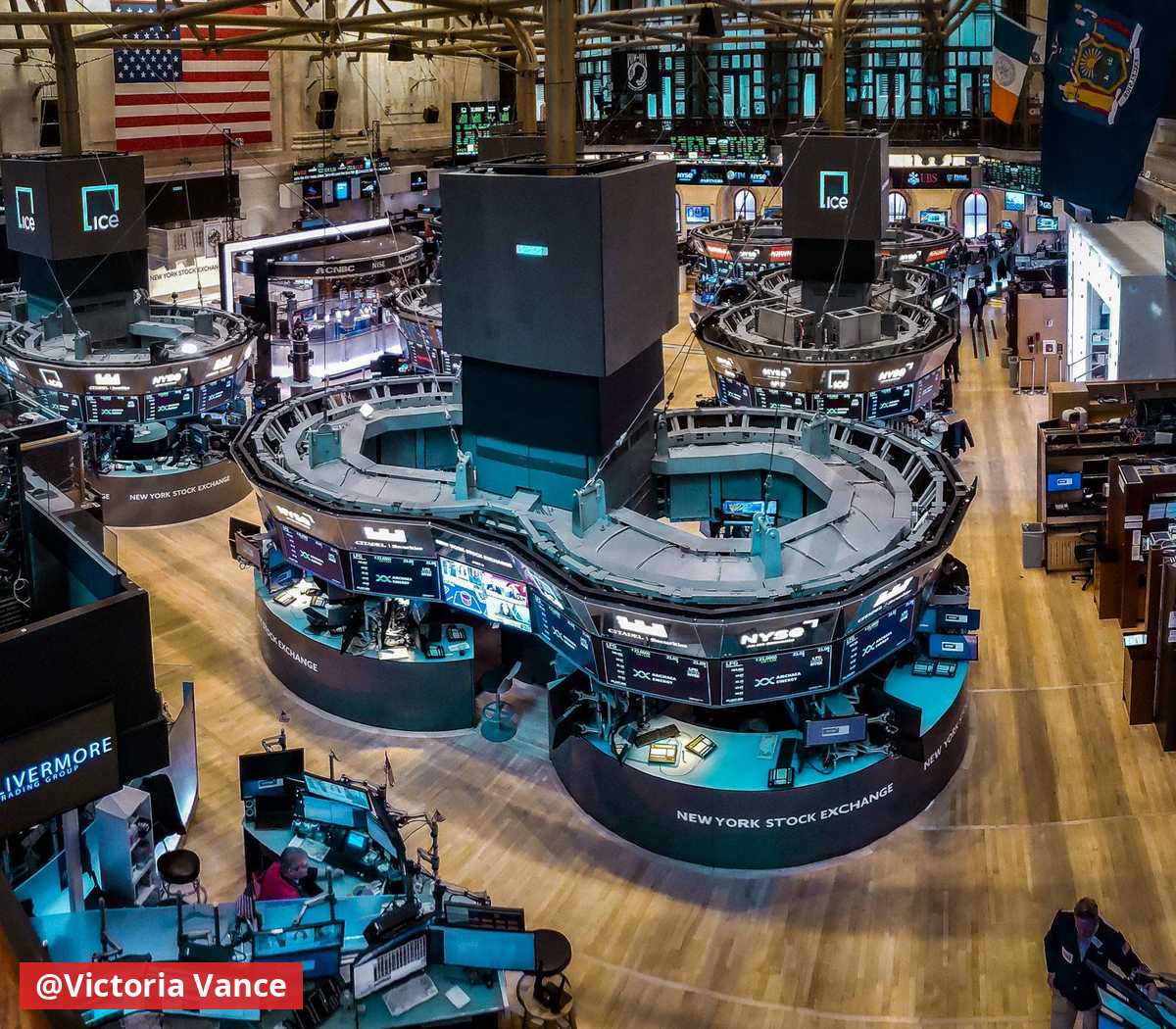

The week ending February 26, 2026, delivered a dramatic rollercoaster for investors navigating the intersection of geopolitics and cutting-edge technology. Wall Street’s volatility was unmistakable, as markets reacted sharply to newly imposed tariffs on Canada and Mexico while simultaneously riding the wave of AI-driven enthusiasm. The Dow Jones Industrial Average opened the week with an 822-point plunge on Monday, February 23, amid widespread fears about escalating trade tensions. Yet, by midweek, a spirited rebound had taken hold, fueled by technology stocks and optimism around AI innovation.
This seesaw of sentiment underscores how Wall Street tariffs AI dynamics are reshaping investor behavior, leaving many regular investors caught in the crossfire. Understanding these developments is crucial not only for market professionals but also for everyday Americans watching their 401(k)s and retirement accounts fluctuate seemingly at random.
Tariff Fears Shake Markets, Then Meet AI-Driven Resilience
Monday’s sharp selloff was triggered by the implementation of President Trump’s new tariffs on key North American trading partners, Canada and Mexico. Investors feared that the added costs and supply chain disruptions would slow economic growth and hit corporate profits hard. The Dow’s 822-point drop was the largest single-day decline in over six months, and the shockwaves were felt across sectors.
Bitcoin, often seen as a hedge against traditional market risks, did not escape unscathed. The cryptocurrency experienced a sharp fall, reflecting broader risk-off sentiment as traders reassessed global economic uncertainties.
But just as quickly as fear gripped Wall Street, optimism returned. The Dow clawed back 370 points on Tuesday and added another 307 points on Wednesday. The S&P 500 settled at 6,946, and the Nasdaq rallied to 23,152, buoyed strongly by technology and software stocks. It was clear that Wall Street tariffs AI forces were pulling markets in two directions—tariff pessimism on one side and AI optimism on the other.
Software companies led Tuesday’s recovery, with investors flocking to firms poised to profit from AI advancements. Notably, AMD surged after announcing a major deal with Meta to supply AI chips, validating the chipmaker’s strategic bet on artificial intelligence. This high-profile partnership showcased the growing importance of AI hardware and software infrastructure in driving market gains.
AI Tech Stocks vs. Tariff Turmoil: The Investor Dilemma
Wall Street’s conflicting signals have left many investors scrambling to balance risk and opportunity. On one hand, tariffs introduce uncertainty and potential economic headwinds; on the other, AI innovation continues to offer promising growth stories. The dynamic is captured well in the ongoing surge of AI startups, many of which are now reaching impressive revenue milestones. For those interested in the rapid growth of the AI sector, AI startups reaching $10M ARR is a must-read to understand where the future gains may come from.
Yet, the tug-of-war between trade worries and AI excitement means that volatility remains elevated. Investors who focus too heavily on one side may find themselves exposed. Retirement accounts, which typically aim for steady growth, have felt the strain as 401(k) balances fluctuate alongside these market swings. Advisors are reminding clients to stay diversified and avoid knee-jerk reactions amid the turbulence.
The week’s action underscores the broader narrative that Wall Street tariffs AI is not just a technical market story but a reflection of geopolitical realities clashing with technological breakthroughs. As President Trump’s trade policies continue to evolve, markets will have to continually price in the impact of tariffs while also factoring in the accelerating pace of AI development.
Looking Ahead: What Should Investors Watch?
Volatility is likely to persist as traders digest the dual forces at play. Investors should monitor further trade announcements closely, especially any expansion or escalation of tariffs, which could deepen market apprehension. At the same time, emerging data from AI companies—ranging from startups to giants like AMD and Meta—will provide clues about the sustainability of the tech rally.
For those seeking real-time updates and expert analysis on this evolving story, CNBC’s market coverage remains an essential resource. Staying informed about both tariff developments and AI sector trends will be critical for making educated investment decisions in this complex environment.
Ultimately, Wall Street’s February 2026 volatility highlights the challenge of investing in a landscape shaped by both global economic policies and rapid technological change. Investors who understand how Wall Street tariffs AI influences markets should be better positioned to navigate the uncertainties ahead.
Source: Editorial Use | Image: Editorial Use