
NASA is significantly restructuring its Artemis program, aiming for two crewed lunar landings in 2028 and introducing a critical orbital docking flight in 2027. This ambitious overhaul signals a shift in strategy, moving away from a rapid ascent to lunar landings and towards a more phased approach, designed to rebuild foundational capabilities and ensure mission success. The agency will now target annual crewed launches, a marked increase in operational tempo for the Space Launch System (SLS) rocket.
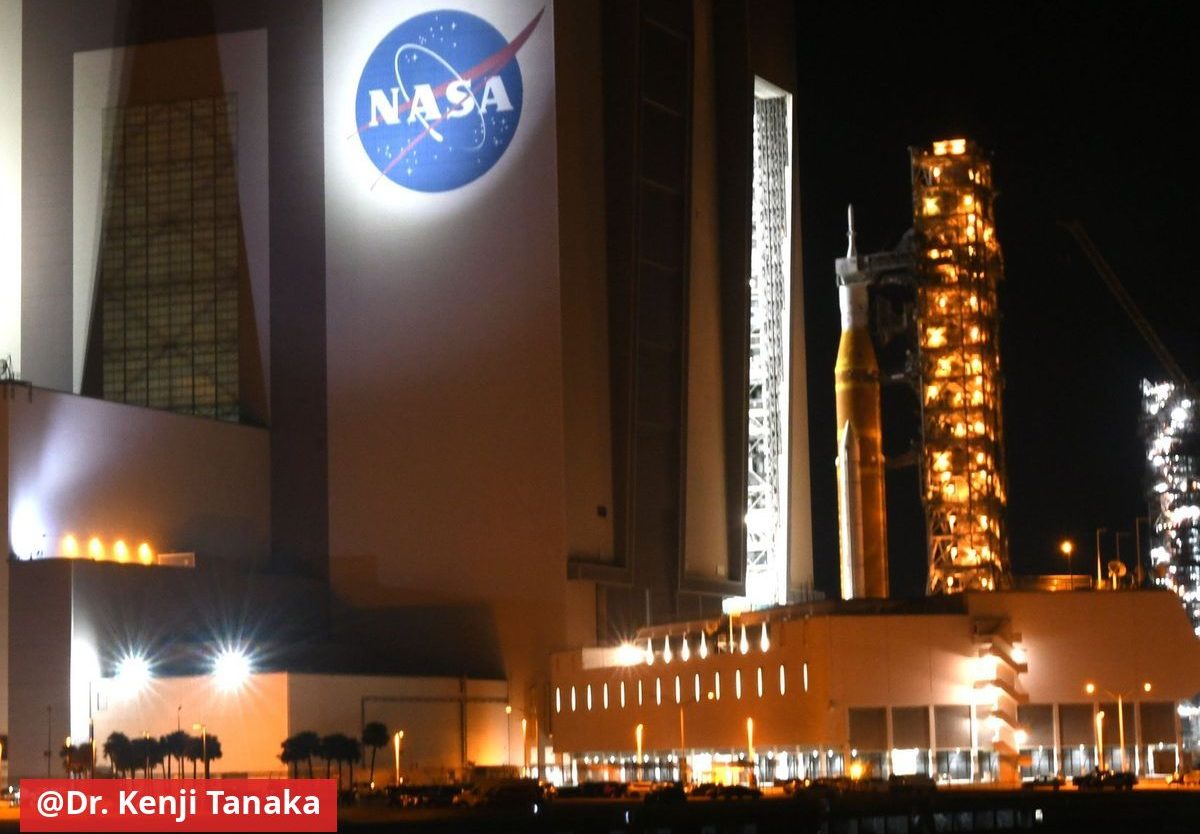
The revised plan, announced by NASA Administrator Jared Isaacman, addresses recent setbacks and long-standing concerns about the program’s readiness. A helium leak in the upper stage of the SLS recently forced the cancellation of a planned March Artemis II launch attempt, sending the rocket back to the Vehicle Assembly Building for repairs. This incident, coupled with previous hydrogen leaks and broader considerations about core mission technologies, underscored the need for a more deliberate progression.
A Phased Return to the Moon
A key modification to the Artemis timeline involves the insertion of a new mission, now designated Artemis III, slated for mid-2027. This mission will not land astronauts on the Moon as originally planned. Instead, it will focus on a crucial in-orbit docking maneuver. An SLS rocket will launch a crew aboard the Orion capsule into low-Earth orbit. There, the Orion will rendezvous and dock with a lunar lander provided by either SpaceX or Blue Origin, two of NASA’s private sector partners. This step is designed to test critical procedures and hardware before a crewed landing attempt.
Administrator Isaacman emphasized that the previous “Apollo 8 then going right to the moon” approach was not a “pathway to success.” The new phasing more closely mirrors the Apollo program’s methodical progression, building experience and validating systems incrementally. This additional step aims to restore core capabilities within NASA’s civil servant workforce, ensuring the agency is better prepared for the complexities of lunar surface operations.
New Landings and Strategic Shifts
Under the revised schedule, the first crewed lunar landing, now called Artemis IV, is targeted for early 2028. This will be followed by another crewed landing attempt, Artemis V, in late 2028. This commitment to two distinct landing missions within the same year demonstrates NASA’s renewed focus on establishing a sustainable lunar presence rather than a single, isolated visit.
Another significant change involves the scrapping of the Boeing-developed Exploration Upper Stage (EUS). While the specifics of its replacement or the implications for future SLS configurations were not fully detailed in the announcement, this decision suggests a strategic re-evaluation of propulsion systems and overall rocket architecture within the Artemis program. Such a move could streamline operations, reduce potential points of failure, or integrate more advanced technologies.
The decision to move to annual crewed launches underscores NASA’s commitment to maintaining momentum and developing proficiency. Frequent flights will allow for continuous testing, refinement of procedures, and invaluable experience for flight crews and ground support teams. This accelerated launch cadence is crucial for validating the readiness of the SLS, the Orion spacecraft, and the various lunar lander systems being developed by private partners.
This comprehensive overhaul of the Artemis program represents a pragmatic adjustment to ensure the long-term success and safety of returning humans to the Moon. By prioritizing incremental progress, rigorous testing, and the rebuilding of internal capabilities, NASA aims to lay a more robust foundation for its future lunar endeavors.