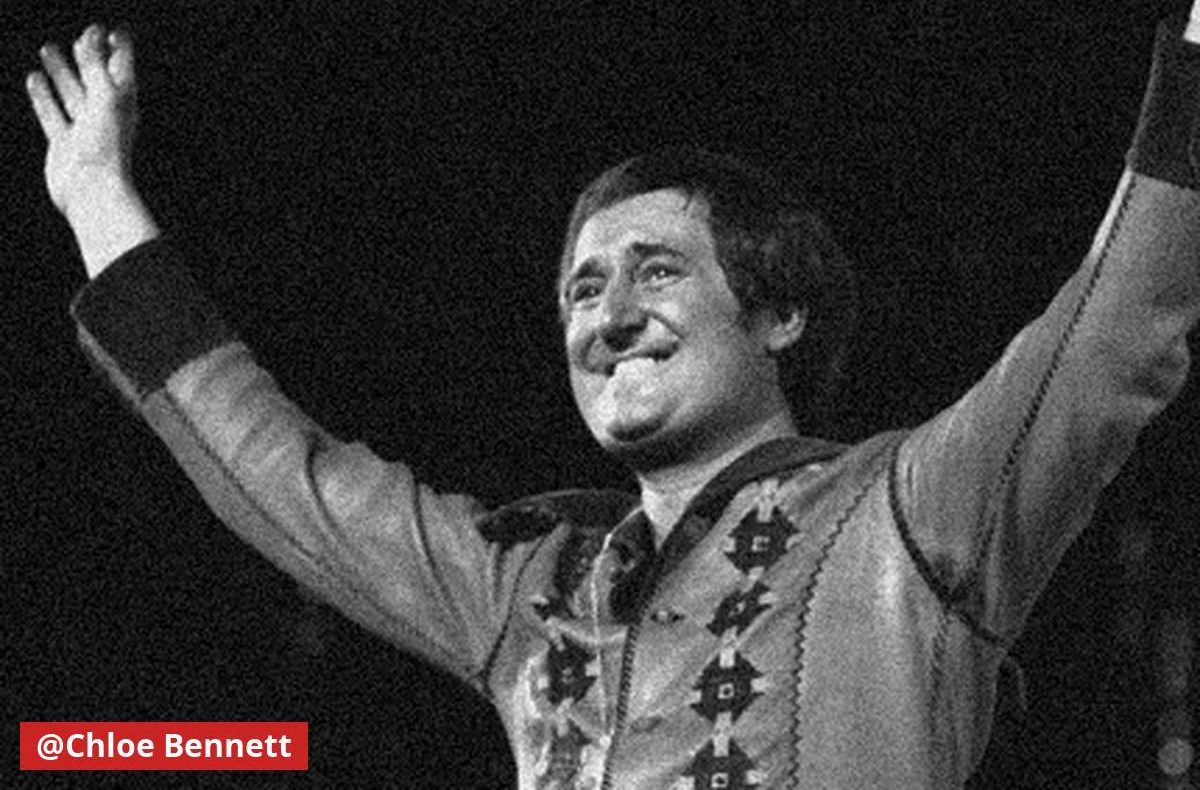

The passing of Neil Sedaka at 86 marks the end of an era, but his indelible fingerprints on the tapestry of popular music remain vibrant and undeniable. Neil Sedaka was not merely a singer or a songwriter; he was a craftsman, a melodist who understood the architecture of a hit and the emotional resonance of a well-turned phrase. His career, spanning over six decades, showcased a remarkable resilience and an unwavering commitment to his art, cementing his legacy far beyond the ephemeral glow of chart positions.
From the legendary Brill Building where he honed his craft, Neil Sedaka emerged as a prolific force. He penned anthems of youthful romance and heartbreak that defined a generation. His voice, a distinctive tenor, imbued classics like “Breaking Up Is Hard to Do” and “Calendar Girl” with an irresistible charm and an earnestness that resonated deeply with audiences. These songs, while seemingly simple on the surface, possessed a sophisticated understanding of pop dynamics, a testament to his Juilliard training subtly underpinning his commercial sensibility.
Related: Rock and Roll Hall of Fame 2026 Nominees: Collins, Hill, Oasis
Neil Sedaka’s ability to transcend eras and genres was perhaps his most remarkable trait. He navigated the shifting tides of popular music with an impressive adaptability, securing multiple No. 1 hits across different decades. His collaboration with Elton John on “Bad Blood” in 1975 showcased his enduring relevance, bridging the gap between the innocent pop of the early 60s and the more complex soundscapes of the mid-70s. This willingness to evolve, while maintaining his signature melodic flair, speaks volumes about his artistic integrity and commercial acumen.
The Architect of Pop Emotion
Neil Sedaka’s genius extended beyond his own vocal performances. He was a master songwriter for others, a true architect of pop emotion. Consider Connie Francis’s 1958 smash “Stupid Cupid,” a song that perfectly captured the effervescent angst of teenage love. Or the Captain and Tennille’s breakthrough 1975 hit “Love Will Keep Us Together,” which became an anthem for a generation, a testament to enduring affection. These songs, penned by Sedaka, demonstrate his profound understanding of universal human experiences and his uncanny ability to translate them into catchy, memorable tunes.
Related: Harry Styles to Host and Perform on SNL March 14
His partnership with lyricist Howard Greenfield, forged in their teenage years, was a formidable force. Together, they crafted a string of hits that became the soundtrack to countless lives. This collaborative spirit, so central to the Brill Building ethos, allowed Sedaka’s melodic instincts to flourish, providing the perfect canvas for Greenfield’s witty and often poignant lyrics. Their synergy produced a body of work that remains cherished and frequently revisited, proving the timeless appeal of well-crafted pop music.
Neil Sedaka’s songwriting was characterized by its accessibility and emotional honesty. He didn’t shy away from the complexities of relationships, but he always presented them within a framework of infectious melodies and relatable narratives. This ability to connect directly with the listener, without resorting to overly complex arrangements or obscure lyrical metaphors, is a hallmark of truly great pop songwriting. He understood that sometimes, the simplest sentiments, when delivered with sincerity and a strong hook, can have the most profound impact.
Related: Eric Dane Passed at 53 After ALS Battle. His Final Hours.
Legacy and Enduring Influence
Neil Sedaka’s influence reverberates through generations of musicians. His melodic sensibility, his knack for memorable choruses, and his commitment to the craft of songwriting have inspired countless artists. He was a vital part of a Brooklyn generation that produced musical luminaries like Barbra Streisand, Neil Diamond, and Carole King, a testament to the vibrant cultural melting pot from which he emerged. His early training at the Juilliard School of Music’s Preparatory Division provided a classical foundation that subtly informed his pop compositions, giving them a structural integrity often lacking in more ephemeral popular music.
His induction into the Songwriters Hall of Fame in 1983 and his star on the Hollywood Walk of Fame in 1978 are fitting tributes to a career defined by sustained excellence. Yet, beyond the accolades, his true legacy lies in the enduring joy and solace his music has brought to millions. He consistently strove to “reinvent Neil Sedaka,” as he stated on his website, a commitment to artistic growth that kept his work fresh and relevant even decades after his initial commercial peak.
Neil Sedaka leaves behind a catalog of music that transcends mere nostalgia. His songs are cultural touchstones, embodying the optimism, heartbreak, and resilience of the human spirit. He was a genuine artist who understood the power of a melody and the enduring appeal of a story well told. His music will continue to resonate, reminding us of the timeless magic he wove with every note and every lyric.