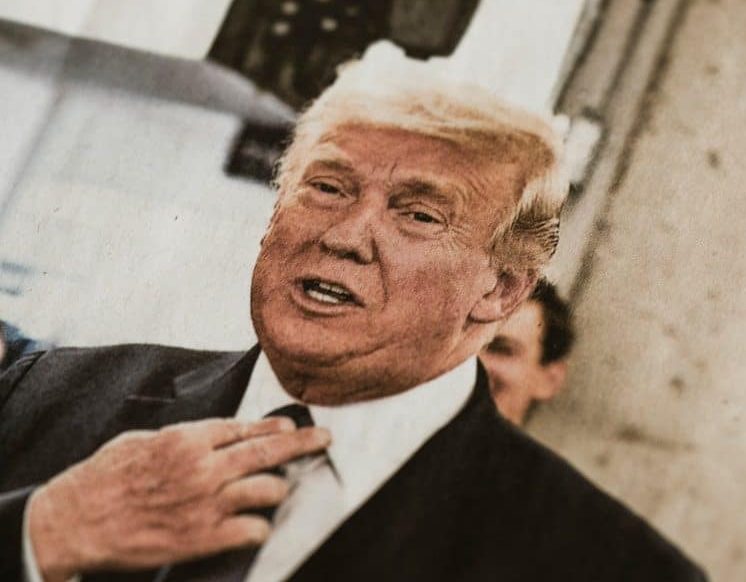

Donald Trump isn’t just stirring the political pot—he’s playing with fire on the world stage. The president’s latest declaration, demanding decisive influence over Iran’s next leader and threatening to “get rid of him” if his preferred candidate doesn’t prevail, isn’t mere bluster. It’s a reckless escalation that risks detonating tensions across the Middle East and rewriting American foreign policy in dangerously unpredictable ways.
A Former Commander-in-Chief Igniting a Dangerous Precedent
Trump’s track record on foreign policy was erratic at best, but this latest move crosses a red line. Let’s be clear: no former president has the authority to dictate the leadership of a sovereign nation. This isn’t just overreach—it’s a brazen assault on international norms and an arrogant display of imperial entitlement. The threat to “get rid of” an Iranian leader is not idle talk; it’s a thinly veiled promise of covert operations or worse, a reckless provocation that could spiral beyond anyone’s control.
“No former president should wield foreign policy as a private agenda,” said former National Security Advisor Susan Rice. “This kind of rhetoric is reckless and undermines America’s standing on the world stage.”
Far from ego-driven bluster, Trump’s ultimatum signals a disturbing blueprint for future U.S. engagement under a Trump-aligned Republican resurgence. If his vision steers GOP strategy heading into the 2026 midterms, brace for a hardline, confrontational stance on Iran that could push the region—and the world—to the brink.
Why Is Trump Obsessed With Iran’s Leadership?
This isn’t just international politics; it’s a calculated political gambit. Iran has been a cornerstone of Republican hawkishness for decades. Trump’s “maximum pressure” campaign was his signature foreign policy, a move that critics rightly argue backfired by empowering Iran’s hardliners and isolating American allies.
By staking a claim on who should lead Iran, Trump is trying to cement his image as the indispensable national security hawk—a must-have credential for any serious White House contender. But here’s the paradox: this aggressive posture risks fracturing the Republican Party. Moderate Republicans and seasoned foreign policy experts value diplomacy and alliance-building. Trump’s approach threatens to alienate these voices, dragging the GOP further into a dangerous, isolationist dead-end.
The Broader Fallout: American Politics and Global Security at Risk
- Escalation Toward Conflict: Threatening regime change in Tehran is a reckless invitation to retaliation. The Middle East is a volatile tinderbox, and Trump’s incendiary rhetoric could easily ignite a catastrophic blaze.
- Sabotage of Diplomatic Efforts: The Biden administration’s painstaking attempts to revive diplomacy with Iran face new hurdles as Trump’s shadow diplomacy muddles U.S. messaging and undermines fragile progress.
- Deepening Domestic Divisions: Trump’s Iran gambit sharpens the fault lines within the GOP. Will Republicans unite behind hawkish brinkmanship, or will pragmatists push back against this perilous course?
In the words of former Secretary of Defense James Mattis,
“Using threats of regime change as political leverage is a fool’s errand. It endangers lives and destabilizes regions, all for short-term gain.”
Who truly gains from Trump’s Iran ultimatum? Not American security. Not Middle Eastern stability. This is a high-stakes gamble putting personal ambition ahead of sober, responsible statecraft.
Is This Trump’s Playbook for the 2026 Midterms?
Trump’s grip on the Republican Party remains ironclad. While legal battles grab headlines, his foreign policy ambitions are quietly shaping the GOP’s future. The 2026 midterms could see Republicans doubling down on Trump-style hawkishness, especially toward Iran, in a bid to rally their base. But will this strategy resonate with swing voters weary of foreign entanglements? Highly doubtful.
Is threatening a foreign leader from the sidelines really a winning electoral strategy, or is it mere posturing for the most fervent Trump loyalists? If it’s the latter, prepare for a dangerous cycle of provocation—one that threatens escalation both abroad and at home.
When Does Recklessness Cross Into Irresponsibility?
Trump’s insistence on controlling Iran’s future leadership isn’t just a political stunt—it’s a perilous precedent that blurs the line between official policy and private ambition with potentially catastrophic consequences.
Will the Republican Party have the courage to confront this overreach—or will it amplify it for short-term political gain? How will this impact America’s alliances and global security? The answers will not only shape the 2026 elections but also define Washington’s role in one of the world’s most volatile regions.
Ultimately, if Trump gets his way, who pays the price? It won’t be the former president ensconced in his private office—it will be the American people and the international community, watching nervously as the stakes soar to dangerous heights.
“`
Source: Thehill
Related Articles
- The Strategy of Slow: Is the Legal System Failing the Voters?
- Trump Gives Jake Paul Endorsement for Future Political Run
- Trump’s America First 2.0: Bold Revival or Deepening GOP Divide?