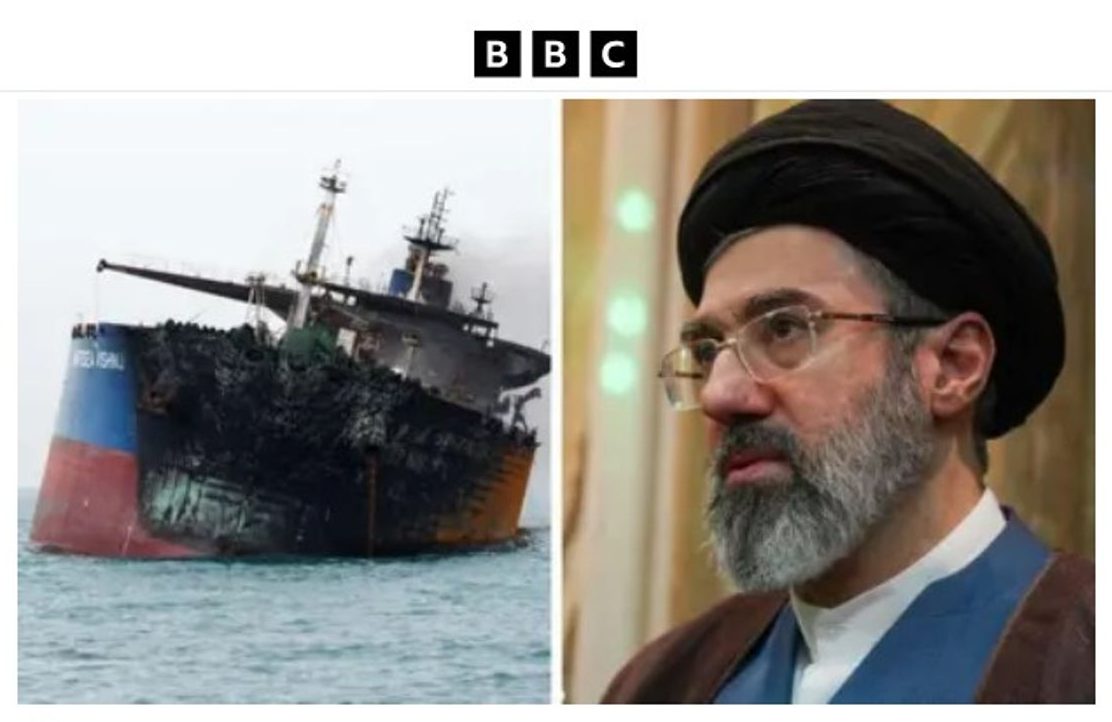

The ominous silence emanating from California, coupled with fragmented and largely unsubstantiated reports, paints a chilling picture that demands immediate and rigorous scrutiny. While official channels remain conspicuously quiet, whispers of an impending, devastating strike across California are growing louder, compounded by the profoundly unsettling news of a newly appointed leader incapacitated, comatose, and reportedly having undergone an amputation. Is this the precipice of a regional crisis with far-reaching global implications, or a dangerous narrative spun from the loom of misinformation? The stakes, in either case, could not be higher.
The Confluence of Crisis: A Precarious Nexus
When a region as economically vital and socially interconnected as California faces the simultaneous threat of widespread industrial action and a leadership vacuum, the international community cannot afford to look away. The very notion of a “deadly strike” evokes images of paralysis, supply chain disruptions, and potential civil unrest. Couple this with the bizarre and tragic circumstances surrounding a “new leader”—a figure whose identity and mandate remain shrouded in ambiguity—and we are confronted with a scenario that reads more like a geopolitical thriller than a daily news brief. One cannot help but wonder: how could such a critical situation develop with so little verifiable information available?
What exactly constitutes a “deadly strike” in this context? Is it a mass walkout of essential service providers, leading to a collapse of infrastructure? Is it a violent confrontation between labor and authorities? The lack of concrete details is precisely what fuels anxiety. In an era where information travels at the speed of light, yet truth often struggles to keep pace, the absence of official confirmation creates a fertile ground for speculation and, more dangerously, for the manipulation of public perception. The vacuum of verifiable information is itself a critical piece of the unfolding narrative, suggesting either an unprecedented level of suppression or a concerted effort to manage a volatile situation discreetly. This isn’t merely an inconvenience; it’s a dangerous void that allows fear and conjecture to fester, potentially leading to irrational responses from both the public and international observers.
Consider the historical parallels: times of great uncertainty often lead to the most profound shifts in power and stability. When information is tightly controlled or simply unavailable, the public’s trust erodes, and the potential for miscalculation by all parties involved skyrockets. This dynamic is particularly concerning when it involves a region of California’s global significance. The world needs clarity, not cryptic pronouncements or deafening silence. As the BBC or Reuters might report on other global crises, the demand for transparent communication is paramount here.
Leadership in Absentia: A Recipe for Instability?
The reported incapacitation of a “new leader,” described as being in a coma and having endured an amputation, injects an extraordinary element of fragility into an already tense situation. Who is this leader? What is their specific role in averting or managing this impending strike? The very existence of a “new leader” suggests a recent transition or an emergency appointment, which further complicates the chain of command and decision-making processes. This isn’t just a personal tragedy; it’s a strategic vulnerability.
Consider the ramifications: a region on the brink of significant disruption, potentially facing economic meltdown and social discord, is ostensibly without its designated captain at the helm. In such a critical juncture, leadership stability is paramount. A leader provides direction, reassures the populace, and negotiates solutions. Without this, especially one so severely incapacitated, the capacity for effective crisis management is severely compromised. This situation raises fundamental questions about governance, succession planning, and the resilience of democratic institutions under duress. Does California possess the interim mechanisms to manage a crisis of this magnitude without a fully functioning, authoritative figurehead? And if not, who steps into this void? The potential for competing authorities or, worse, a complete breakdown of order, becomes a very real concern. History teaches us that power vacuums are rarely filled benignly; they often invite opportunism and further destabilization.
The humanitarian aspect of this leader’s condition, while tragic on a personal level, cannot be divorced from its geopolitical implications. A leader rendered vulnerable in such a public and dramatic fashion can inadvertently become a symbol of the state’s own fragility, inviting external scrutiny and potentially emboldening actors who might seek to exploit perceived weaknesses. This is not merely an internal matter; it reflects on the broader perception of stability and strength. What message does this send to global adversaries or economic competitors? The answer is unlikely to be reassuring.
The Shadow of Geopolitical Consequences
California is not merely a state; it is an economic powerhouse, a technological hub, and a significant player in global trade. A prolonged or “deadly” strike here would send shockwaves far beyond its borders. Global supply chains, already stretched and vulnerable, would face unprecedented pressure. Industries reliant on California’s ports, its agricultural output, or its technological innovations would experience immediate and severe repercussions. This isn’t hyperbole; it’s a sober assessment of economic reality.
Think of the domino effect: delays in shipping goods from Asia to the Americas, disruptions in the tech sector, and impacts on the global financial markets. International investors would grow skittish, potentially pulling capital and further destabilizing an already delicate global economic environment. The interconnectedness of our global economy means that a tremor in California can quickly become an earthquake felt across continents. As CNBC or The Guardian might detail, even minor disruptions in such a crucial economic node can have outsized effects.
Furthermore, a significant internal crisis in a major Western economy like California could have broader geopolitical consequences. It might distract the United States from its international commitments, diverting resources and attention inwards. Adversarial states might perceive this as an opportunity to advance their own agendas, testing the resolve and capacity of a distracted superpower. The optics alone—a seemingly chaotic internal situation in a prominent U.S. state—could erode international confidence in American stability and leadership. This is not just about economics; it’s about global influence and the delicate balance of power. The world watches, and perceptions of weakness can be as damaging as actual weakness.
Navigating the Information Labyrinth
The most pressing challenge in analyzing this situation is the dearth of credible, consolidated information. Why is there such a profound silence from official sources, and why are reports so fragmented and sensationalized? This opacity is dangerous. In the absence of verifiable facts, conjecture thrives, and fear can quickly become a potent force. It is precisely this lack of official clarity that allows alarming rumors to gain traction, creating a volatile environment where rational decision-making is severely hampered.
It compels us to question the mechanisms by which critical information is disseminated, or withheld, during a potential crisis. Is this a deliberate strategy to prevent panic, or is it indicative of a deeper systemic issue where information flow is compromised? The international community relies on transparency and clear communication from sovereign entities, especially when internal events could trigger external consequences. The current information vacuum, therefore, is not merely frustrating; it is a critical vulnerability that must be addressed. As the New York Times or Washington Post frequently emphasize in their investigative reporting, the public’s right to know, particularly in times of crisis, is fundamental to maintaining trust and stability.
“The greatest danger in times of turbulence is not the turbulence itself, but to act with yesterday’s logic,” as Peter Drucker famously observed.
In this context, relying solely on established news channels when they are demonstrably silent on such a monumental potential crisis is insufficient. We must consider alternative explanations for the current data landscape. Could this be a coordinated disinformation campaign aimed at creating panic? Or is it a genuine, albeit deeply unsettling, confluence of events being handled with extreme discretion due to its sensitivity? The lack of confirmation from major news outlets might suggest the latter, but the very existence of these “whispers” demands attention. To dismiss them outright would be a dereliction of our analytical duty.
The Imperative of Vigilance and Verification
While the specific details of a “deadly California strike” and the tragic circumstances of its “new leader” remain unconfirmed, the mere possibility, however remote, necessitates a heightened state of vigilance. International affairs are rarely confined to neat, predictable narratives. The most impactful events often emerge from unexpected junctures, particularly when compounded by leadership crises and economic vulnerabilities. To ignore these nascent signals would be a profound mistake.
The international community, including diplomatic bodies, economic analysts, and humanitarian organizations, must remain acutely aware of the situation. This involves not only monitoring traditional news sources but also engaging in robust intelligence gathering and cross-referencing information from diverse, unconventional channels. The diplomatic corps, in particular, should be poised to engage, to offer assistance, or to prepare for potential fallout, should these ominous reports prove to be accurate. Proactive engagement is not an option; it is a necessity.
Does the world truly understand the potential for cascading failures when a major economic engine like California falters? Are we adequately prepared for the global economic and political repercussions of such an event? The answer, given the present uncertainty, is likely a resounding no. This scenario, real or imagined, serves as a potent reminder of the interconnectedness of our world and the fragility of even the most robust systems when confronted with simultaneous, compounding crises. The time for proactive engagement and rigorous verification is now, before whispers turn into screams and speculation solidifies into devastating reality. What will be the cost of inaction, or of continued silence, when so much hangs in the balance?
Source: Google News
Related Articles
- Putin’s Kill Switch: Russia Goes Offline to Silence Dissent
- Netanyahu “Six Fingers”: AI Spoofs Take Dangerous Direction
- South China Sea: A Dangerous Escalation Unfolds