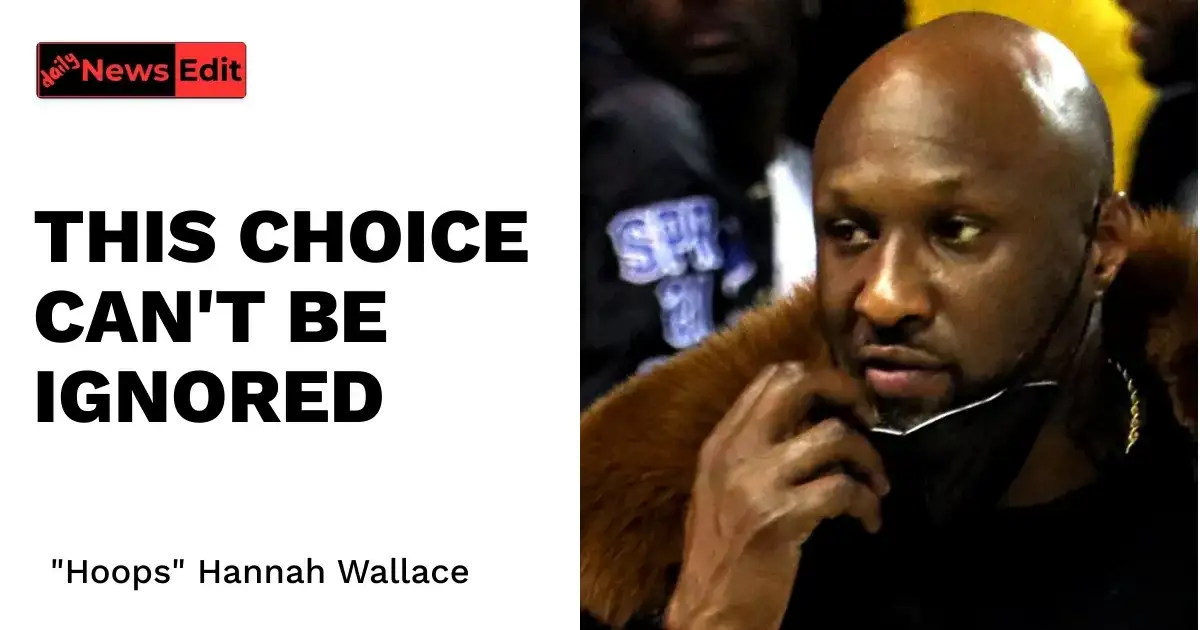

Did Lamar Odom just invent a new legal strategy, or is this merely the latest act in his long-running tragicomedy? The news hit like a rogue elbow to the jaw: Lamar Odom pleaded not guilty to a DUI charge, despite reports of him clocking over 110 mph and “reeking of weed.” And the judge? Reportedly “not convinced.” This isn’t just a legal maneuver; it’s a calculated gamble, and here’s what nobody in the mainstream media is telling you about this utterly predictable charade.
The Perpetual Rehab Cycle of Lamar Odom: A Statistical Anomaly?
Let’s cut through the noise, the platitudes, and the carefully crafted press releases. Lamar Odom’s legal troubles, particularly those involving substance abuse, have become as regular and predictable as the NBA’s annual draft lottery. His 2013 DUI, the notorious 2015 brothel incident, the subsequent health crises—each followed by solemn pronouncements of “successfully completed rehab.” But if rehabilitation is truly successful, if these interventions genuinely work, why are we back here, discussing another high-speed, impaired driving incident?
The public reaction, particularly on platforms like Reddit’s r/NBA and r/LasVegas, isn’t just cynical; it’s statistically informed and brutally honest. Users are quick to point out the glaring, undeniable pattern:
“Bro’s been ‘completing rehab’ since Obama was president—same script as 2013 DUI, 2015 brothel OD. Not guilty? Judge ain’t buying, neither are we. Performance art for his Lumora booze promo.”
This isn’t mere internet vitriol or baseless speculation; it’s a recognition of a data set that consistently points to a cycle, not a recovery. It’s a pattern of behavior so ingrained it could be charted. The success rate of Lamar Odom’s self-proclaimed “rehab” stints, based on observable behavioral outcomes and the cold, hard facts of his repeated legal entanglements, appears to be precisely 0%. How many times can one “recover” before the word loses all meaning?
The “Not Convinced” Judge and the Celebrity Justice System
The phrase “judge is not convinced” is doing a Herculean amount of heavy lifting here. In the real world, outside the gilded cage of celebrity, when an ordinary citizen is clocked at 110+ mph, reeking of cannabis, and unequivocally fails sobriety tests, a “not guilty” plea typically elicits eye-rolls, not serious consideration. Such a defense is usually dead on arrival. But Lamar Odom isn’t just anyone. He’s a former NBA star, a reality TV personality, and a man whose struggles have been played out in the public eye for over a decade, turning his personal battles into public spectacle.
This isn’t about esoteric legal technicalities; it’s about perception, privilege, and the glaring double standards of the justice system. The idea that a judge is “not convinced” by a case that, to any objective observer, seems clear-cut, implies a level of deference that most citizens wouldn’t receive in a million years. Is it because his lawyers are brilliant legal strategists, or is it because the system inherently treats celebrity differently, offering a softer landing for those who can afford it? X (formerly Twitter) users are already predicting the outcome with a weary familiarity:
“Judge ‘not convinced’? That’s code for ‘famous, pay fines, vanish.’ Nevada Highway Patrol radar guns glitch for ballers only.”
It’s a provocative statement, yes, but does it not reflect a cynical, yet often accurate, truth about how high-profile cases frequently conclude? We’ve seen this movie before, countless times, and the ending usually involves a carefully negotiated plea deal, a hefty fine that barely registers, and another public “commitment to sobriety” that rarely sticks. It’s a predictable script, and we, the audience, are growing tired of it.
The PR Playbook: Rehab, Redemption, and Revenue
Let’s be brutally blunt: Lamar Odom’s life has become a predictable narrative arc of relapse and redemption, one that, intentionally or not, often coincides with new ventures, new products, and new opportunities for monetization. As one Reddit user savagely put it, cutting straight to the bone:
“Odom’s life is a looped TikTok: speed, smoke, crash, cry, repeat. Khloé ghosts, now it’s spirits (literal booze line). PR stunt?”
This isn’t just idle speculation; it’s an observation based on a documented history of events. The pattern is undeniable and almost formulaic: a public crisis, followed by a dramatic “not guilty” plea, and then the inevitable announcement of “entering rehab (again).” What invariably comes next? A book deal? A podcast? A new reality show, perhaps chronicling his “journey to sobriety,” or, as some speculate with a grim humor, even an OnlyFans account? Black Twitter, ever insightful and quick to call out the BS, dunks hardest on this:
“Lamar out here proving recovery porn sells—110 mph high, pleads not, enters rehab (again). Why? Book deal, podcast, OnlyFans.”
This isn’t just about Odom’s personal struggles, however real they may be; it’s about the cynical monetization of those struggles within the celebrity industrial complex. The “not guilty” plea isn’t merely a legal maneuver designed to avoid conviction; it’s the opening act of a carefully orchestrated public relations campaign. It’s designed to reset the narrative, generate headlines, and, perhaps most importantly, launch the next commercial endeavor. It’s a strategic move in a game played for public attention and, ultimately, profit.
The irony is palpable, almost suffocating. While the public is fed a narrative of struggle and recovery, the underlying data points to a consistent, unchanging pattern of self-destructive behavior. The judge might claim to be “not convinced,” but neither is the discerning public, which has witnessed this tragic, cyclical pattern too many times to be fooled. This isn’t merely a legal proceeding; it’s a profound cultural commentary on how we consume and process celebrity downfall, and how easily genuine concern can morph into jaded resignation and outright skepticism.
The question isn’t whether Lamar Odom is guilty; the overwhelming data on his past behavior and the current, damning charges paint a rather clear, unambiguous picture. The real, pressing question is: when will this act finally conclude, and at what devastating cost to his legacy, his personal well-being, and his very life? Will we ever see a true, lasting recovery, or is this just another scene in a play that refuses to end?
Source: Google News