
The news wires buzz with talk out of the Middle East, specifically whispers about Israeli Prime Minister Benjamin Netanyahu and Iran. While folks here in the Heartland often focus on crops or the factory floor, it is a grave mistake to think that what happens halfway across the world does not eventually ripple back to our towns and kitchen tables. This is not some abstract foreign policy debate; it is about our livelihoods, our gas tanks, and the future we are building right here.
Connecting the Dots from Overseas to Our Own Backyards
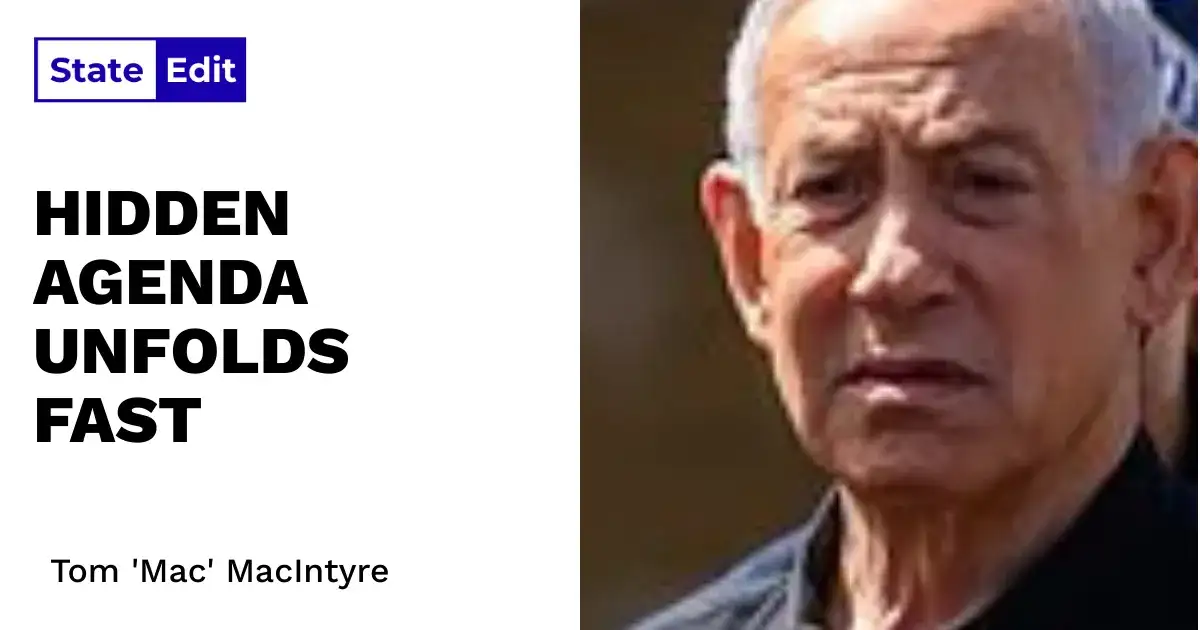
I have heard chatter, even seen headlines, that paint a picture of high-stakes drama – “Netanyahu unleashes 48-hour Iran doomsday blitz in secret bunker summit as fears grow he’s racing to blow up Trump deal.” That language certainly grabs attention. It is the sort of talk that, if true, could shake things up globally. When the global economy gets rattled, it hits home here in Illinois, Indiana, Ohio, Michigan, Wisconsin, and Minnesota. We are not insulated from the world; we are integral to it.
Consider global oil prices. Any major instability in the Middle East, and those prices jump faster than a rabbit in a cornfield. That means more at the pump for our farmers trying to get their harvest in, more for truckers moving goods across our states, and more for every working family just trying to get to school and work. It is a practical, everyday impact. Crude oil prices soared to over $120 a barrel in 2022 following geopolitical tensions, directly translating to higher costs for every gallon of gas and diesel. That is a burden on family budgets and small businesses.
“What happens over there, eventually makes its way over here. We might not be on the front lines, but we’re certainly in the supply chain, and our wallets feel the pinch.” – A local farmer from Central Illinois, quoted in a Reuters report.
Our Role in a Shifting World
It is not just about gas prices. Our elected officials, from county commissioners up to our Senators and Representatives, often weigh in on foreign policy. When there is talk of major shifts or potential conflicts, it impacts how our nation uses its resources, how we prioritize diplomacy, and what kind of world we leave for our kids. Are we committing our nation’s strength wisely, or are we getting dragged into conflicts that drain our resources and distract from pressing needs at home? These are the questions we, the people, need to be asking.
Here in the Midwest, we believe in common sense and hard work. We also believe in peace and in finding solutions that last. When leaders like Netanyahu make big moves, whether diplomatic maneuvers or aggressive stances, it is worth our attention. It shapes the conversation, not just in Washington D.C., but sometimes right here in our local town halls and community forums. Universities across our states, from the University of Chicago to the University of Michigan, often host discussions where experts try to make sense of these complex international situations. These are not just academic exercises; they are attempts to understand forces that can directly affect our peace and prosperity. A recent study from the Council on Foreign Relations highlighted that prolonged instability in the Persian Gulf could disrupt global shipping lanes, impacting everything from agricultural exports to imported goods right here in our ports and rail yards.
We might not always understand the ins and outs of every international agreement or geopolitical tension. But we understand cause and effect. When the drums beat louder in distant lands, we know enough to listen, because those echoes often find their way to our doorstep, demanding our consideration and, sometimes, our resolve. We are a part of this world, and what happens in it matters to us all. Let us stay informed, speak our minds, and hold our leaders accountable for a foreign policy that serves the best interests of the Heartland, and indeed, the entire nation.
Source: Google News