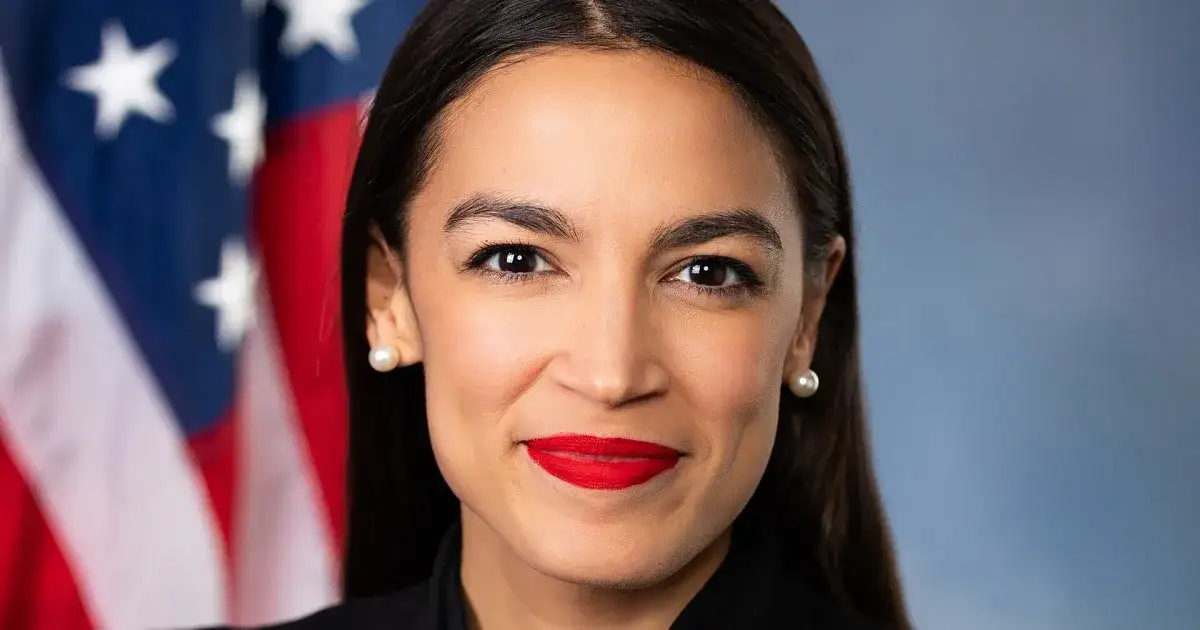

Representative Alexandria Ocasio-Cortez faces a new controversy as a formal complaint alleges she illicitly diverted $19,000 in campaign funds for personal ketamine therapy. This accusation challenges her public persona, sparking outrage and fueling hypocrisy claims across the political spectrum.
Critics question the legality of the expenditure and lambaste Ocasio-Cortez for what they see as a betrayal of her socialist principles. The narrative suggests a politician preaching austerity while allegedly indulging in expensive personal treatments funded by donor contributions. This incident highlights the intense scrutiny high-profile political figures face.
The Allegations: Disputed Expenditures
The scandal centers on a complaint detailing alleged financial misconduct regarding Ocasio-Cortez’s use of campaign funds. The accusation claims money earmarked for political activities was funneled into private medical treatment for her personal benefit.
Federal Election Commission (FEC) filings reportedly show payments totaling $19,000 to a therapist identified as Dr. Brian Boyle. The services are officially listed as “leadership consulting,” but critics argue this is a euphemism for high-end ketamine-assisted therapy, often associated with exclusive “Stella clinics” for “trust-fund traumas.”
A significant expenditure of $11,500 in March 2025 is highlighted, suggesting a pattern of substantial personal spending disguised as legitimate campaign work. This detail adds weight to the allegations and intensifies public demand for transparency.
The Hypocrisy Backlash: Champagne Socialist or Ethical Lapse?
Public reaction to these allegations has been ferocious, transcending traditional political divides. While right-wing commentators predictably seized on the controversy, disillusionment is also evident among some on the left. The epithet “champagne socialist fraud” has become a pervasive descriptor.
Major news outlets, including Fox News, amplified the narrative, juxtaposing Ocasio-Cortez’s public pronouncements with the alleged $19,000 payment to Dr. Brian Boyle for “leadership consulting”—now widely interpreted as code for “elite ketamine shrinks.” Social media platforms like X and Reddit are filled with biting memes and sardonic commentary.
One viral meme states, “AOC’s ‘leadership training’ = K-holing on donor dime while lecturing proles about socialism,” often accompanied by doctored images portraying her as a “raving bartender-turned-rave queen.” These posts, garnering tens of thousands of likes, underscore the visceral public reaction.
The core of this backlash is the accusation of profound hypocrisy. Bloggers and commentators, such as Starkman, accuse Ocasio-Cortez of adopting the lifestyle she condemns. “Met Gala gowns one day, ketamine spa retreats the next,” Starkman asserts, adding, “Why campaign funds for personal therapy? There’s no shame in K-treatment, but this reeks of grift.” He points to past ethical inquiries, like “freebie dresses,” to illustrate a pattern of questionable judgment. This creates a damaging contrast between her public advocacy and alleged indulgence in elite, donor-funded treatments, threatening her political credibility.
Ethical Quagmire: Campaign Finance Laws
This complaint touches on a sensitive area: the use of campaign funds for personal benefit. Campaign finance principles dictate that funds are for political activities, not personal expenses. This distinction prevents corruption, ensures transparency, and maintains public trust.
The Federal Election Commission (FEC) enforces these laws to safeguard the electoral process by preventing the commingling of personal and political finances. Using campaign funds for personal gain, such as medical treatments, is a serious violation that blurs ethical lines and erodes public confidence.
The defense that the expenditure was for “leadership consulting” becomes tenuous if it financed ketamine therapy. Personal medical treatment benefits the individual, not the campaign directly. This distinction is paramount for upholding accountability in public office. Politicians, especially high-profile ones like Ocasio-Cortez, operate under intense scrutiny, demanding unwavering adherence to ethical standards.
The Broader Context: Scrutiny in US Politics
This controversy is not isolated but fits a pattern of financial scrutiny faced by US public figures. Debates surrounding campaign finance, ethical conduct, and transparency are perpetual, reflecting public demand for accountability.
Bodies like the House Committee on Ethics and the Office of Congressional Ethics (OCE) investigate such matters. If this complaint gains traction, these institutions could initiate a formal investigation, leading to significant repercussions. Ocasio-Cortez has faced scrutiny before, including questions about payments to her boyfriend for campaign services and PAC structures.
While previous inquiries often focused on transparency and rarely resulted in legal findings of wrongdoing, they underscore the constant examination inherent in her role. For instance, in 2019, The Daily Caller reported similar allegations about Ocasio-Cortez funneling money to private companies. Though the FEC investigated, these claims were ultimately dismissed.
This history shows how quickly allegations can proliferate, even if unsubstantiated. However, the current ketamine complaint is distinct. Its direct targeting of personal well-being and alleged use of donor money for it makes it harder to frame as a legitimate campaign expense, potentially setting it apart from previous, less personal allegations.
The Public Perception: A Crisis of Trust
In the unforgiving arena of public opinion, this scandal threatens Ocasio-Cortez’s credibility. Her political brand is built on integrity, fighting for ordinary people, and critiquing corporate power. This alleged spending contradicts that image, fostering a narrative of hypocrisy that could profoundly damage her standing.
The online sphere is rife with conspiracy theories. Some speculate the controversy is a “psyop” to normalize “elite drug perks,” while others suggest it’s a cover-up for “mental meltdowns.” While outlandish, these theories reflect deep public distrust and cynicism that such incidents exacerbate.
This incident feeds a broader, damaging narrative: politicians are out of touch, using their positions for personal gain. Such perceptions are corrosive, eroding faith in democratic institutions and fostering voter cynicism. For democracy’s health, leaders must be beyond reproach and avoid even the appearance of impropriety. When leaders are perceived as hypocrites, trust shatters, and rebuilding it becomes an arduous task.
What’s Next for Representative Ocasio-Cortez?
The immediate trajectory points towards a formal investigation. Regulatory bodies, notably the FEC, will review the complaint, examining campaign filings for violations. If evidence substantiates the allegations, consequences could range from significant fines to more severe penalties.
The political fallout is undeniable. Opponents will use this incident to discredit Ocasio-Cortez and undermine her progressive agenda. This situation serves as a stark reminder that public service comes with extraordinary scrutiny. Every action is judged, and every dollar spent is questioned. Transparency is an absolute, fundamental requirement for anyone representing the people.
This scandal will linger, testing Ocasio-Cortez’s political resilience and public patience. Can she offer a compelling and transparent explanation for these expenditures? Can she effectively navigate this ethical minefield and rebuild trust? The answers will shape her career and offer a glimpse into US political ethics.
Source: Google News