
A bomb plot in Paris near the Champs-Élysées? This isn’t some Hollywood movie. It’s real, and it damn near blew up a chunk of the city. Three people are behind bars after this botched attack, and the story behind it smells fishier than a week-old catch.
French authorities are quick to link it to the US-Iran war. That’s a mighty convenient narrative, isn’t it? Seems a bit too neat, like a trail carefully laid out to distract you from the real scent.
Terror on the Streets of Paris: A Close Call
Early Saturday, March 28, 2026, things got ugly in Paris. Police nabbed one suspect trying to spark a homemade bomb. This wasn’t some firecracker.
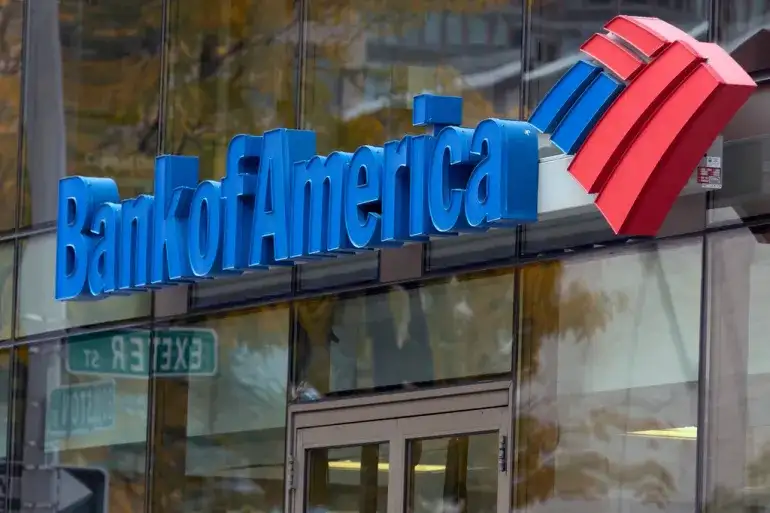
We’re talking five liters of fuel and 650 grams of explosive powder. That’s enough to do some serious damage, enough to turn a busy street into a war zone. This happened right outside a Bank of America building.
That’s a bold target, a symbol of Western capitalism, right in the heart of one of the world’s most iconic cities. Two more suspects were rounded up later. This was no lone wolf operation, no impulsive act of a madman.
These folks were working together, a small pack aiming to leave their mark. The quick action of the police prevented a catastrophe.
- Who: Three suspects arrested.
- What: Attempted bomb attack using five liters of fuel and 650 grams of explosive powder.
- Where: Near the Champs-Élysées, specifically outside a Bank of America in Paris.
- When: Early Saturday, March 28, 2026.
- Why: French authorities are pushing the US-Iran war link, a narrative that demands closer scrutiny.
The Convenient Narrative: A Smokescreen?
Interior Minister Laurent Nuñez was remarkably quick to point fingers. He talked about the “current international situation,” practically screaming “US-Iran war” without having to spell it out.
He wants us to believe this is all about distant geopolitical struggles. But hold on a minute. When the government’s explanation is too perfect, too immediate, you’ve got to ask yourself why.
One of the suspects was allegedly hired through Snapchat for just €600. Six hundred euros? To plant a bomb that could kill dozens, if not hundreds? That sounds less like a sophisticated geopolitical strike orchestrated by a foreign power and more like some desperate, low-level idiocy.
Are we really supposed to swallow that? Does that price tag scream “master international terrorist” or “patsy”? This isn’t some master plan from a shadowy foreign power. This feels sloppy. It feels cheap. It feels like a convenient excuse, a ready-made narrative to avoid digging deeper into uncomfortable truths.
Who Benefits from the Blame Game?
When something like this happens, governments love to tie it to bigger, more distant conflicts. It makes them look tough, like they’re protecting us from global threats. It justifies more surveillance, more security measures, and ramps up public fear. It’s an old trick, but it still works on folks who don’t question what they’re fed.
But what if it’s just local malcontents? What if it’s some small-time crew with a grudge, fueled by homegrown grievances or plain old stupidity? Blaming a faraway war is easy. It avoids looking at problems closer to home, problems like radicalization within their own borders. It sidesteps uncomfortable truths that might make the government look less competent.
Think about it. A €600 job through Snapchat. Does that scream sophisticated international terrorism? Or does it scream desperation, a lack of real planning, and perhaps a failure to address underlying issues? The French government is pushing a line. We, the people, need to question it. We deserve the truth, not a convenient fiction.
“The current international situation demands heightened vigilance,” Interior Minister Laurent Nuñez stated, as reported by Reuters. “We must remain united against all forms of terrorism.”
Sure, vigilance is good. But blind acceptance of a narrative, especially one so neatly packaged, is not. This quick link to the US-Iran war feels like a distraction, a way to shift focus. It’s too easy, too pat, and frankly, too convenient.
The Real Story Buried Under Official Narratives?
This incident shows human resilience, yes. The police stopped it. They put bad guys behind bars. That’s a win for public safety. But the editorial angle here, the real story, is about the spin. It’s about the way governments try to control the narrative, to shape public perception for their own ends.
They want us to believe this was a direct result of global tensions, a clear-cut consequence of international strife. Maybe it was. But maybe it was something far more mundane, something far more homegrown, something they’d rather not talk about. The mountains teach you to look for the hidden currents, the subtle shifts in the wind that tell a deeper story. This “US-Iran war link” feels like a strong current, but what’s underneath it? What are they trying to keep hidden?
This bomb plot was a failure, a dangerous attempt thwarted. But the story around it? That’s just getting started. Don’t let them tell you what to think. Question everything. That’s the only way to find the real truth in this tangled world.
Source: Google News