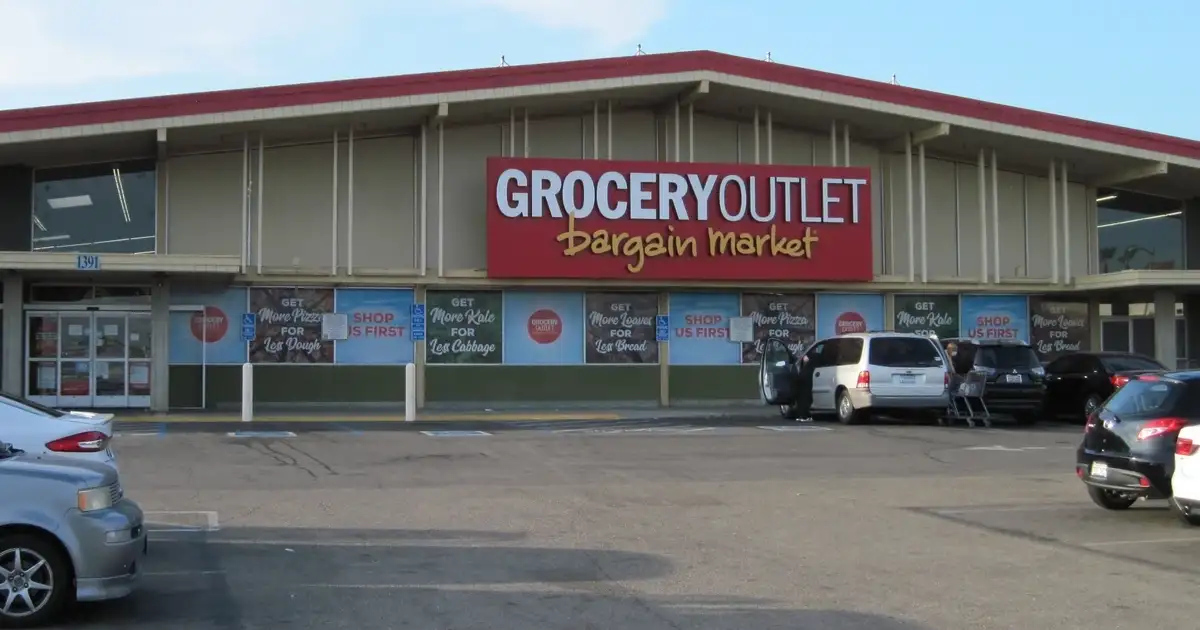

The retail apocalypse isn’t coming; it’s already here, and Grocery Outlet just delivered a chilling dispatch from the front lines. The discount grocer didn’t just close stores; it executed a corporate scorched-earth policy, shuttering 36 locations and booting hundreds of workers into the unforgiving abyss of unemployment. This isn’t merely a business decision; it’s a brutal, cold-blooded corporate massacre, and it speaks volumes about the grim, unforgiving future of retail.
The Great Grocery Purge: More Than Just Closures
Forget your quaint notions of feel-good grocery runs. Grocery Outlet, in a move that redefines corporate callousness, just proved that no job, no matter how seemingly stable, is truly safe. The Emeryville-based discount chain axed 36 underperforming stores across 16 states in one swift, heartless blow. Hundreds of employees, many of whom were independent operators who had invested their lives into these ventures, were left jobless. There was no warning, no severance, just the digital equivalent of a pink slip delivered with all the warmth of a tax audit.

CEO Jason Potter, ever the corporate apologist, blames this cataclysm on “overexpansion.” That’s corporate speak for, “we gambled with people’s livelihoods and lost spectacularly, but don’t worry, our shareholders are still doing just fine.” The company, in a tone-deaf announcement, boasts that its remaining 51 Eastern stores are “profitable,” touting a 3.3% comparable sales bump. Excellent for the C-suite bonuses, absolutely devastating for the working class who just lost their ability to put food on their own tables.
This isn’t an isolated incident, a mere blip on the economic radar. It’s a glaring symptom of a much sicker system, a deeply unsettling trend that’s accelerating. Retail saw a staggering 8,100 store closures in 2025, a chilling 12% jump year-over-year. The grocery sector, once considered recession-proof, is rapidly becoming a bloodbath, a zero-sum game where only the most ruthless survive.
Cynicism Goes Viral: Workers Speak Out
The internet, that glorious bastion of unfiltered rage, isn’t holding back. Social media platforms are ablaze with fury, a digital bonfire fueled by corporate malfeasance. The subreddits r/antiwork and r/Layoffs are overflowing with the anguished testimonies of ex-employees, a collective lament against the cold machinery of capitalism.
They’re not just complaining; they’re calling out Potter’s “greed-fueled overreach” with a righteous indignation that resonates deeply. One viral post, a raw scream into the digital void, raged, “They overexpanded on VC crack, now blue-collar ghosts pay the bill.” Could there be a more succinct, damning indictment?
TikToks, those bite-sized capsules of modern life, show haunting images of padlocked doors and “fired via email” horror stories. These videos, raw and unvarnished, are racking up upwards of 500,000 views, each one to the visceral anger boiling beneath the surface. Comments like “Grocery Outlet: Where your shift ends with a pink slip and no severance” hit with the force of a gut punch, exposing the brutal reality of corporate America in 2026. This, apparently, is the real entertainment of our era: watching the working class get systematically crushed by corporate giants, all while the executives toast their quarterly earnings.
The Domino Effect: Who’s Next?
On X (formerly Twitter), users are spinning dark theories, connecting the dots of this retail collapse. Is this just a prelude to the inevitable fallout from the monstrous Kroger-Albertsons merger? It’s not an unreasonable question. Kroger itself has already shuttered 60 stores and cut a staggering 1,700 jobs. Amazon Fresh, the tech giant’s foray into physical groceries, quietly closed 57 locations. This isn’t just a ripple in the pond; it’s a full-blown tsunami, threatening to engulf everything in its path.
Redditors, with their characteristic blend of cynicism and insight, are calling it “zombie retail theater.” And frankly, they’re not wrong. These chains aren’t just competing; they’re eating each other alive, leaving a trail of economic devastation in their wake. The survivors, fewer in number but vastly more powerful, consolidate their hold, transforming the landscape into a barren wasteland for anyone not at the top.
Consider the looming shadow of the Kroger-Albertsons merger. It faces massive regulatory scrutiny, and rightly so. But if it goes through, C&S Wholesale Grocers is poised to snap up hundreds of divested stores. What does that mean for the average worker? Brand changes, job shifts, and an even deeper well of uncertainty. It’s a ruthless game of Monopoly, but with real people’s lives, their homes, and their children’s futures serving as the pawns.
The “Why”: Beyond Just “Underperformance”
Why are these seemingly indispensable chains collapsing with such alarming regularity? It’s not simply “underperformance,” a convenient scapegoat for executive missteps. The reasons are multifaceted, a perfect storm of economic pressures and corporate hubris:
- Aggressive, reckless expansion: Like Grocery Outlet, far too many companies overextended themselves, chasing growth at all costs, prioritizing market share over sustainable stability. They built empires on shaky foundations.
- The relentless e-commerce boom: Online shopping isn’t just a convenience; it’s a wrecking ball for brick-and-mortar. Why brave traffic and checkout lines when groceries can be delivered directly to your door?
- The rise of the discount grocers: Powerhouses like Aldi and Lidl are expanding at breakneck speed, offering rock-bottom prices that traditional supermarkets, burdened by legacy costs, simply cannot match. It’s a race to the bottom, and the consumers, while seemingly benefiting, are ultimately trading choice for cost.
- Unrelenting economic pressure: Consumers, squeezed by inflation and stagnant wages, have less disposable income. Every dollar counts, and loyalty to a specific brand often takes a backseat to the cheapest option.
- Unadulterated corporate greed: Let’s not mince words. CEOs, driven by quarterly earnings reports and astronomical bonuses, consistently prioritize profits over people. Always. It’s the fundamental, unshakeable truth of modern capitalism.
This isn’t about adapting to a changing market. This is about a brutal, Darwinian survival of the fittest, and the workers, the very backbone of these operations, are always the first to be sacrificed on the altar of corporate efficiency.
The Human Cost: More Than Just Numbers
When a grocery store closes its doors for good, it’s not just a statistic to be filed away in an annual report. It’s a community hit, a wound that festers and leaves lasting scars.
- Devastating job losses: Families lose their income, their health insurance, their fundamental stability. The ripple effect of one job loss can destabilize an entire household, leading to a cascade of financial and emotional hardship.
- The creation of food deserts: In low-income areas, these stores are not just convenient; they are lifelines, providing essential access to fresh, affordable food. Their closure creates gaping food deserts, forcing residents to travel further, spend more, and often rely on less healthy options.
- A crippled local economy: It’s not just the store employees. Suppliers, cleaning crews, local businesses that rely on the store’s foot traffic – they all suffer. The economic ecosystem around a grocery store is far more intricate than most realize.
This impacts everything. Less money in people’s pockets means less spending across the board. Fewer movie tickets purchased, fewer streaming subscriptions maintained, fewer concerts attended. The economic health of the grocery sector isn’t isolated; it’s intrinsically linked to the entertainment industry, to leisure, to quality of life itself.
What Does This Mean for Us?
This isn’t just a news story; it’s a blaring siren, a wake-up call to the dramatic, often brutal, shifts occurring in the retail landscape. It’s a zero-sum game played with real people’s lives, and the rules are rigged.
- Will we see more “sudden shutters” and corporate bloodbaths? Absolutely. This is just the beginning.
- Will corporations continue to prioritize profits over people, even as the social fabric frays? You bet your last dollar they will.
- Will consumers eventually be left with fewer choices, higher prices, and a starker, more homogenized shopping experience? It’s not just probable; it’s practically inevitable.
The next time you see a “discount” sign, or cheer for a corporate “efficiency” drive, remember the real cost. It’s paid by the workers, by the communities left behind, and by the very fabric of our economy. This isn’t just about grocery stores closing; it’s about the slow, painful, and utterly avoidable death of the middle class, one shuttered storefront at a time.
Photo: Photo by TaurusEmerald on Openverse (wikimedia) (https://commons.wikimedia.org/w/index.php?curid=92611883)
Source: Google News