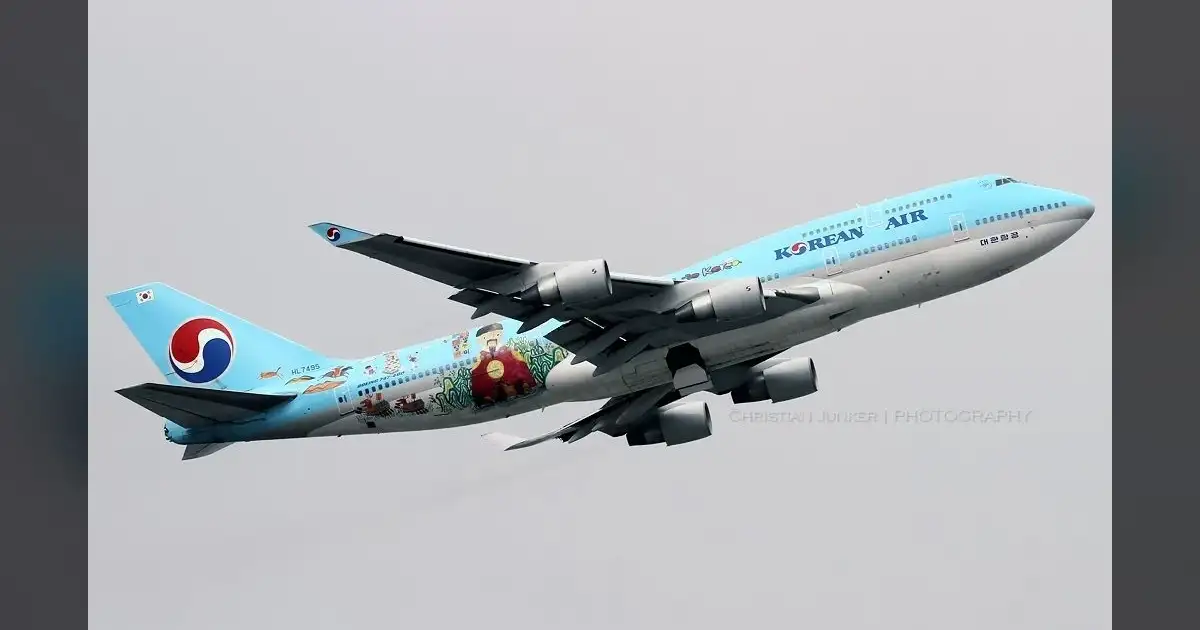

The stark reality of Porscha Tynisha Brown’s death on a Korean Air flight isn’t just a tragic incident; it’s a glaring indictment of corporate negligence and a chilling reminder that, sometimes, the very systems designed to protect us fail spectacularly.
Korean Air Kills Again: Another “Blunder,” Another Dead Passenger
Marriage might be a death sentence, but at least your husband isn’t likely to kill you mid-flight. Porscha Tynisha Brown, a 33-year-old Department of Defense employee, died a horrific death during a 15-hour Korean Airlines flight. Her death was not an accident. It was a “terrible blunder” by staff, a lawsuit alleges.

This isn’t just a tragedy. It’s a grotesque failure. Korean Air crew allegedly failed to give Brown oxygen. They then used a non-functioning defibrillator. This wasn’t some minor oversight. This was gross negligence, plain and simple. It’s a betrayal of the trust we place in airlines to get us safely from one place to another.
A “Horrific Death” – Because Oxygen is Optional, Apparently
The lawsuit paints a chilling picture that should make every traveler’s blood run cold. Brown became unresponsive during the long-haul flight from Incheon, South Korea, to Washington D.C. on August 19, 2023. Her family claims crew members did not provide timely medical care. They didn’t even ensure she had working oxygen. How hard is it to check an oxygen tank? It’s a fundamental safety procedure, not an optional extra.
Then, in a horrifying turn of events, they tried to use a defibrillator. It didn’t work. Imagine the terror. Imagine the helplessness. A young woman, just 33 years old, dying alone in the sky. Dying because staff couldn’t perform their basic, life-saving duties. This isn’t just a “blunder.” This is a crime against care, a profound failure of responsibility.
Korean Air’s Toxic Legacy: From “Nut Rage” to Negligence
The internet is, predictably, on fire. Reddit and X/Twitter users are ripping Korean Air apart, and rightly so. They see a pattern here, and it’s not an isolated incident. It’s a symptom of a deeply toxic corporate culture that prioritizes everything but passenger well-being.
Remember the infamous “Nut Rage” scandal? In 2014, Heather Cho, a Korean Air executive, threw a tantrum over macadamia nuts, delayed a flight, and physically assaulted a flight attendant, eventually landing herself in jail. That incident exposed the airline’s shocking arrogance and disregard for its own staff and passengers. This new lawsuit just confirms what many have suspected: the arrogance persists. “Same trash airline, different victim,” one Redditor sniped. “Crew too incompetent to hook up oxygen? Shocking.”
People are connecting this tragedy to other egregious examples of corporate callousness, like the Jeju Air scandal where flight attendants were reportedly seen dancing post-crash, an event that left over 179 dead. “Funerals were recent, you ghouls,” the public raged. Korean Air gets lumped in with these “tone-deaf corporate psychos” because the public sees a clear, disturbing pattern: disrespect for passengers, disrespect for human life, and a shocking lack of accountability.
The Invisible Load of Dying: Who Pays for Corporate Greed?
The lawsuit seeks justice. It seeks accountability. Brown’s family wants answers. They want compensation. But can money truly bring back a life? Can it erase the horror of knowing your loved one suffered and died due to sheer incompetence?
This is the invisible load women often carry, even in death, where their suffering is frequently minimized. They call it a “blunder,” not murder by neglect. Not corporate apathy. The airline will fight this, of course. They will try to bury it. They will try to make it go away. But the internet remembers. And we, as a society, must remember too. Conspiracy theories are already swirling, with some speculating about her DoD connection. “Deep state hit,” some whisper. “PR stunt,” others mock. When trust is broken so fundamentally, cynicism takes over, and the public is left to fill the void of official explanations with their own theories.
When Will We Demand Better?
This isn’t just about Korean Air. It’s about every corporation, every service industry that profits from our trust. Are we just numbers? Are we just cargo? Do our lives mean so little that basic medical care becomes an optional extra?
The lawsuit alleges the crew lacked proper training. It alleges a systemic failure that allowed a young woman to die needlessly. Porscha Tynisha Brown deserved better. She deserved to live. She deserved basic human care, the kind we all expect when we step onto an airplane. This tragedy should be a blaring wake-up call. We need to demand more. We need to demand accountability. We need to stop accepting “blunders” as excuses for fatal negligence. Our lives, and the lives of those we love, literally depend on it.
What’s your most outrageous “travel horror story” that exposed pure corporate incompetence? Share your confessions below and let’s hold these corporations accountable.
Photo: Photo by Christian Junker | Photography on Openverse (flickr) (https://www.flickr.com/photos/47789610@N04/10131319396)
Source: Google News