
Let’s be brutally honest: the notion of a “terrifying warning message” from Artemis II astronauts is not just fiction; it’s an insult to the incredible work being done. While some outlets peddle sensationalist nonsense, the real risks of space travel involve things like cosmic radiation and, yes, the ever-present threat of a busted space toilet. This isn’t a sci-fi B-movie; it’s cutting-edge human endeavor.
Artemis II “Terrifying Warning”? It’s a Load of Space Junk!
Forget the fake news and the clickbait. The supposed “terrifying warning message” from Artemis II astronauts is a wild, utterly fabricated fantasy. Our brave astronauts aren’t whispering grim prophecies from the void; they’re too busy preparing for very real dangers, like debilitating cosmic radiation and, I kid you not, the potential for another disastrous toilet malfunction. It’s almost comical how far some will go to invent drama where none exists.

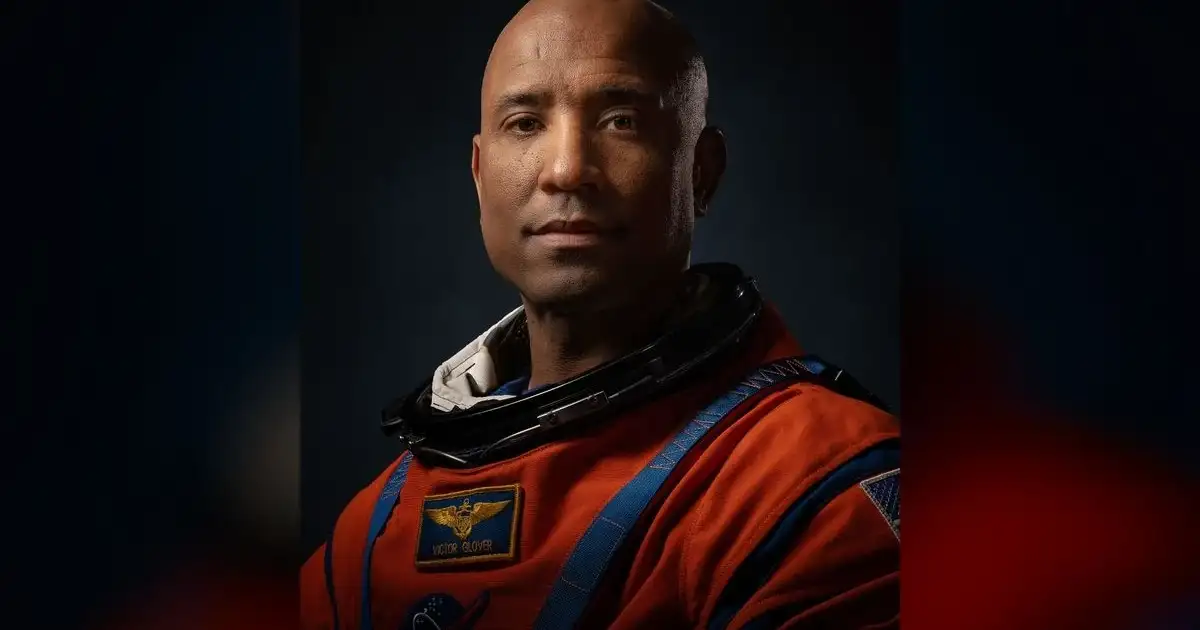
Let me be crystal clear: this “warning” never happened. No astronaut transmitted spooky messages or hinted at existential dread. The crew, including Victor Glover and Reid Wiseman, have consistently spoken of unity, hard work, and the shared human endeavor. Glover, with characteristic grace, spoke about humanity as “one people” during the crew announcement. Wiseman praised the “Herculean effort” required for such a journey. These are not the words of terror-stricken individuals; they are the sentiments of dedicated professionals on the cusp of an historic mission.
The Real Dangers: Radiation, Restrooms, and the Relentless Void
The true threats in deep space are genuinely serious, far more compelling than any made-up warning. The single biggest health concern for these missions is radiation exposure. Once beyond Earth’s protective magnetic field, astronauts are vulnerable to dangerous solar flares and galactic cosmic rays. A significant solar event could zap the crew with enough radiation to cause acute sickness, long-term health issues, or even mission failure. While NASA relies on NOAA’s sophisticated space weather monitoring, it’s not a foolproof shield; predicting these events with perfect accuracy remains a monumental challenge.
Then there’s the more… earthy, and frankly, more relatable problem. Remember the humiliating toilet failure on Artemis I? Hours after launch, the space commode broke down, leading to a cascade of online jokes and genuine concern. People mocked “NASA excellence” and quipped about astronauts “shitting in bags like Apollo days.” While humorous in hindsight, it underscores a critical point: hygiene and waste management in a confined space are not trivial matters. These are the real, unglamorous, yet absolutely critical challenges of space travel. It’s a stark reminder that even the most advanced missions can be derailed by something as mundane as plumbing.
Why the Fake “Terrifying Message” Story? It’s Pure Clickbait.
So why did this ludicrous “terrifying warning” rumor even gain traction? The answer is depressingly simple: it’s pure, unadulterated clickbait fabrication. Certain corners of the media, desperate for engagement, love to sensationalize. They take routine mission milestones and twist them into horror stories. They did it with Artemis I’s heat shield performance, and now they’re doing it again with imaginary astronaut pronouncements. It’s not just lazy; it’s a disservice to the public and to the mission itself.
The public isn’t stupid. People see through this garbage. They understand the actual risks and are genuinely excited for humanity’s return to the Moon. But they’re also realistic. They remember the SLS rocket delays and the immense complexity of the mission. They crave genuine information, not manufactured drama. This kind of misinformation not only undermines trust but also distracts from the truly remarkable achievements unfolding before us.
The Astronauts’ Real Preparations: Grit, Science, and Sacrifice
The Artemis II crew – Reid Wiseman, Victor Glover, Christina Koch, and Jeremy Hansen – aren’t practicing their ominous warnings. They are training with an intensity that would break most people. They train for the brutal physical toll of space, the relentless radiation, and the insidious effects of microgravity on the human body. They also prepare for the immense psychological strain of being isolated in a tiny capsule, hundreds of thousands of miles from home. That, my friends, is a real challenge, far more profound than any ghost story.
Their rigorous training covers everything from complex medical emergencies to intricate spacewalk procedures. It’s all about mitigating actual, scientifically validated risks, not imaginary warnings. They are pushing the very limits of human endurance and ingenuity, fueled by science, courage, and an unwavering commitment to exploration.
“We are going to the Moon not just as Americans, but as explorers for all humanity,” Victor Glover said after the crew announcement. “We will carry the hopes and dreams of billions.”
This quote, reported by outlets like Reuters, perfectly encapsulates their true spirit. It’s about unity, ambition, and the collective human drive to explore, not fear or fabricated terror.
The “Point of No Return” – A Technicality, Not a Thriller
The phrase “point of no return” has been bandied about, often with a theatrical flourish. Let’s demystify it: it’s a technical term in spaceflight, meaning the spacecraft has achieved enough velocity and is committed to its lunar trajectory. It’s not some ominous threshold where cosmic horrors await. It’s a precise calculation, a triumph of engineering and orbital mechanics. It’s a moment for celebration of human intellect, not for concocting ghost stories.
The media needs to focus on facts. Report on the meticulous Orion capsule testing. Discuss the painstaking SLS rocket assembly. Detail the complex launch pad preparations at Kennedy Space Center. These are the real stories, the ones that truly matter. They highlight the incredible effort, the genuine challenges, and the awe-inspiring human achievement involved in sending people back to the Moon.
Why Truth Matters in Space Exploration
Misinformation like this “terrifying warning” doesn’t just mislead; it actively harms public trust. It trivializes the very real dangers astronauts face and disrespects the profound sacrifices they make. These individuals put their lives on the line for the advancement of human knowledge. We owe them the dignity of truth, not sensational lies.
Space exploration is undeniably hard. It’s dangerous. It’s incredibly expensive. But it is also one of humanity’s most inspiring endeavors. It pushes us to innovate, to understand our universe, and to see our place within it. We desperately need honest reporting, not facile fiction. We need to celebrate the science, acknowledge the genuine heroes, and stop inventing scary tales where none exist. The universe is terrifying enough on its own; we don’t need made-up warnings. We need facts. We need the truth.
What’s Next for Artemis II? The Real Mission.
The mission is currently set for late 2025. This will be a critical test flight – the first crewed flight of the Orion capsule and the mighty SLS rocket. It will take the crew on a journey around the Moon and back to Earth, proving the systems and procedures for future lunar missions and, eventually, for journeys to Mars. This isn’t just a flight; it’s a monumental stepping stone for humanity.
Let’s focus on the real story. Let’s talk about the groundbreaking science. Let’s talk about the unparalleled bravery. Let’s stop falling for cheap thrills and fabricated narratives. What do you think is the biggest real challenge facing the Artemis II crew – the one that truly keeps NASA engineers up at night?
Photo: Josh Valcarcel – NASA – Johnson Space Center
Source: Google News