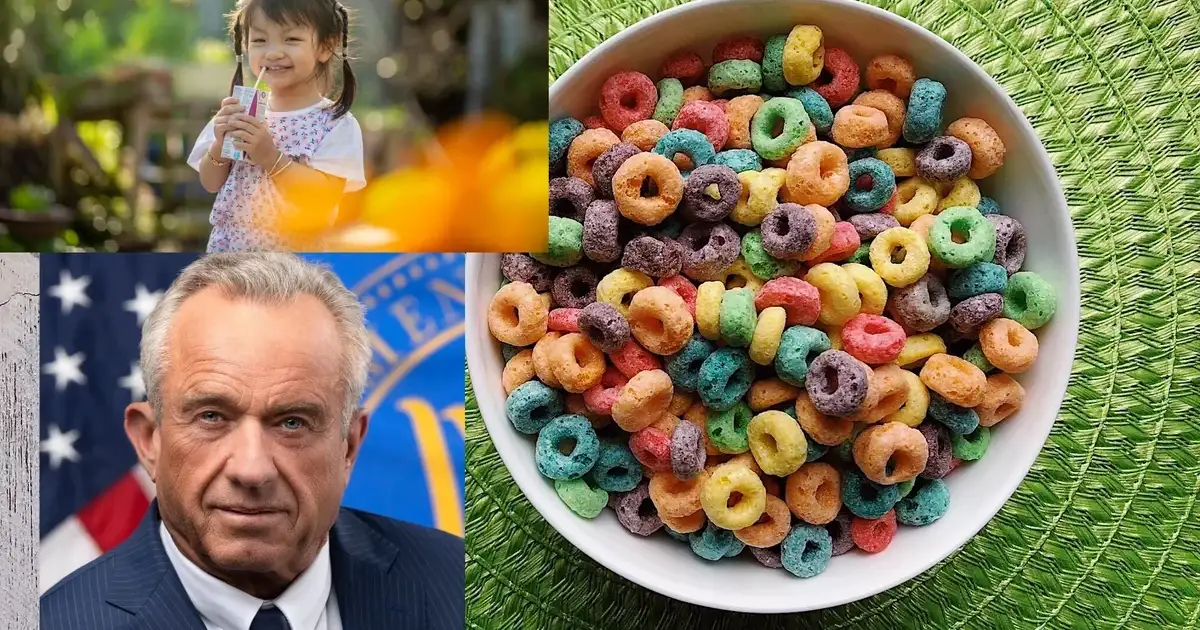

Your “Family Favorites” Are Cancer Traps: Cereals, Sodas, Snacks Named!
Wake up, America! Those “family favorite” foods you grew up with aren’t just empty calories; they’re packed with hyper-processed ingredients that science is now screaming are linked to cancer. This isn’t some fringe theory; it’s a stark warning from the scientific community.
We’re talking about your morning bowl of cereal, your kid’s sugary drink, and those convenient snacks you grab on the go. They aren’t just benign treats; they are, in essence, quietly poisoning your family. These aren’t just “junk food”; they’re ticking time bombs in your pantry.
The Silent Killers in Your Pantry
For far too long, we’ve been lulled into complacency by the mantra of “everything in moderation.” That, my friends, is a convenient lie the food industry loves to peddle. The uncomfortable truth is that many staple items in American homes are not just “processed”; they are ultra-processed foods (UPFs), industrial concoctions designed for shelf life and profit, not your well-being.
* Cereals: Let’s be honest, many popular brands are little more than sugar bombs disguised as breakfast, offering minimal actual nutrients. * Soft Drinks: Loaded with high-fructose corn syrup and a cocktail of artificial sweeteners, these beverages are a direct assault on your metabolic health. * Packaged Snacks: Chips, cookies, and pastries are often saturated with unhealthy fats, artificial flavors, and preservatives that our bodies simply weren’t designed to handle.
New research from 2024, building on years of accumulating evidence, is crystal clear. Studies are showing a direct, undeniable link between high UPF consumption and an increased risk of cancer. These foods are engineered for addiction, cheap production, and convenience. They are emphatically NOT engineered for your health.
What Are “Hyper-Processed Cancer Chemicals”?
Let’s not mince words: the term “hyper-processed cancer chemicals” might sound dramatic, but it perfectly captures the insidious threat. These foods contain a rogue’s gallery of ingredients that go far beyond simple food preparation. We’re talking about substances like:
* Artificial sweeteners: Aspartame, sucralose, and saccharin are under intense scrutiny, with mounting evidence suggesting their detrimental effects on gut health and metabolic function. * Emulsifiers: Used to improve texture and prevent separation, these common additives can disrupt the delicate balance of our gut microbiome, potentially leading to inflammation. * Preservatives: While they extend shelf life, the long-term effects of many preservatives on human health are still not fully understood, but growing research points to potential harm. * High-fructose corn syrup: A cheap, ubiquitous sugar substitute linked to a litany of metabolic issues, including fatty liver disease and insulin resistance, creating a fertile ground for cancer development.
These aren’t just “food additives” in the traditional sense; they are industrial compounds. Our bodies struggle to recognize and process them. They ignite inflammation, disrupt our hormones, and create a constant physiological stress. This relentless assault creates an environment ripe for chronic diseases, including, unequivocally, cancer.
The Science Is Stacking Up
Recent studies are not pulling any punches. A major meta-analysis published in the British Medical Journal this year confirmed earlier findings, revealing a staggering 12% increased risk of overall cancer for every 10% increase in UPF consumption. This isn’t merely about weight gain; this is about the direct, cellular impact of these ingredients on our bodies.
Dr. Elena Rodriguez, a leading oncologist at the National Cancer Institute, minced no words in a recent interview with The Guardian.
“We can no longer ignore the overwhelming evidence. Ultra-processed foods are a significant public health threat. They contribute to obesity, yes, but their chemical composition directly impacts cellular health, promotes inflammation, and significantly increases cancer risk. This isn’t just about calories; it’s about fundamental biological chemistry.”
This isn’t some niche finding from an obscure journal. This is mainstream science, echoed by institutions worldwide. Yet, the food industry, with its colossal marketing budgets, continues to push these products onto our shelves. Why? Because they are incredibly, obscenely profitable.
Don’t Fall for the “Correlation, Not Causation” Scam
When you hear critics dismiss these findings with the tired old refrain of “correlation, not causation,” don’t buy it for a second. That’s an old, cynical trick designed to sow doubt and protect corporate bottom lines. We now have more than enough evidence to be deeply worried. We are identifying the biological mechanisms of action. We are seeing consistent, replicated results across multiple, robust studies.
The public reaction online, especially on platforms like Reddit and X, often attempts to downplay this, labeling it “fearmongering.” They’ll say, “I’ve eaten Cheerios my whole life, and I’m fine.” That’s anecdotal nonsense, a dangerous individual delusion. Cancer doesn’t always manifest overnight; it’s a disease of accumulation, often taking decades to develop.
This isn’t about shaming anyone for their past choices. It’s about empowering you, the consumer, with irrefutable facts. The food companies will not willingly tell you the truth. They want you to keep buying their cheap, dangerous products.
The Real Cost of Convenience
Why are these foods so pervasively popular? The answer is simple: convenience, cost, and aggressive, manipulative marketing. Parents are often exhausted and time-poor. Household budgets are tight. The food industry ruthlessly exploits these vulnerabilities, marketing these products as “kid-friendly” or “quick and easy meals.”
But what is the true, hidden cost of this convenience?
* Health: We are witnessing skyrocketing rates of obesity, type 2 diabetes, and heart disease. Now, we must add cancer to this devastating list. * Future Generations: A generation growing up on these foods will face unprecedented health challenges, shortening their lives and diminishing their quality. * Healthcare System: The unsustainable burden on our hospitals, doctors, and nurses is already reaching breaking point. These preventable diseases are drowning our healthcare infrastructure.
It’s a vicious, self-perpetuating cycle. We consume these foods, get sick, then spend a fortune on treatments that might only manage symptoms, not cure the root cause. All while the food companies rake in billions, largely unconcerned with the human cost.
What Can You Do?
This isn’t about achieving dietary perfection overnight. It’s about making conscious, informed choices that move you and your family towards better health. Start small, but start now.
* Read Labels Relentlessly: If you can’t pronounce half the ingredients, or if the list reads like a chemistry experiment, put it back on the shelf. * Prioritize Whole Foods: Build your plate around fruits, vegetables, lean proteins, and unprocessed whole grains. These are the foods our bodies are designed to thrive on. * Cook at Home More Often: When you prepare your own meals, you are in complete control of the ingredients, eliminating hidden sugars, salts, and unhealthy fats. * Limit Sugary Drinks Drastically: Water, plain and simple, is your body’s best friend. Make it your primary beverage. * Beware of Marketing Gimmicks: Terms like “natural,” “healthy,” and “fortified” on UPF packaging are often meaningless buzzwords designed to mislead you.
Yes, it’s tough. The system is undeniably rigged against us, bombarded by advertising and surrounded by cheap, unhealthy options. But your family’s health is an invaluable asset, worth fighting for with every fiber of your being. Don’t let the food industry dictate your future. Take control of your plate, your pantry, and your health. Your life, quite literally, depends on it.
Source: Google News