
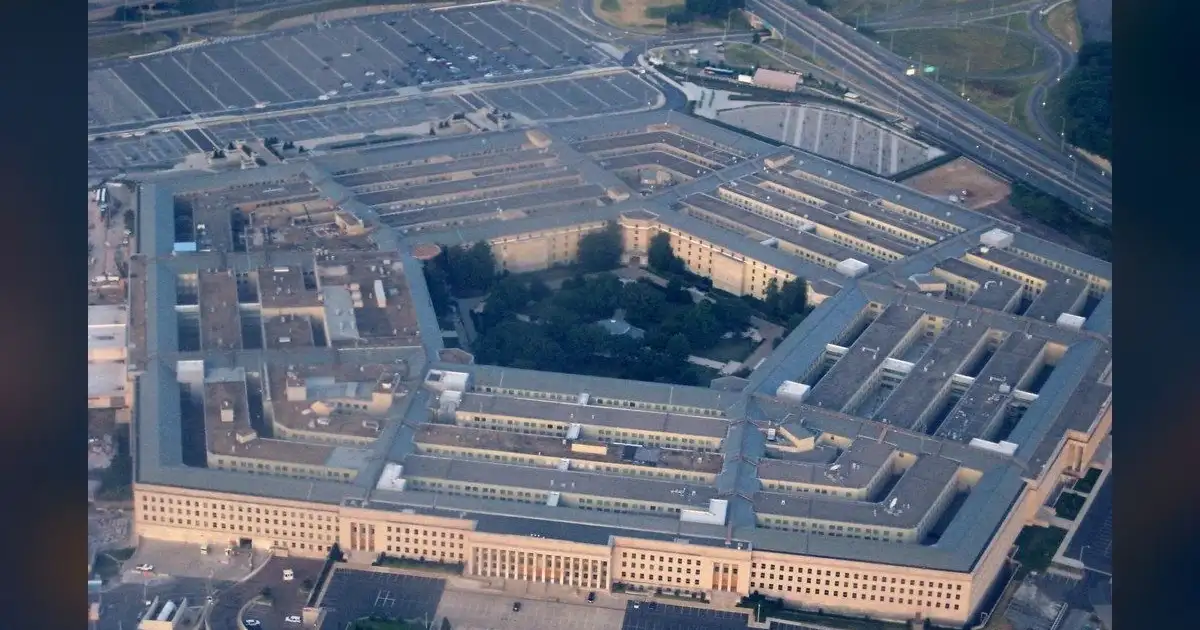

Let’s cut through the Pentagon’s spin: the narrative of Iran “reusing” missile bunkers isn’t some clever display of efficiency; it’s a glaring, neon-lit sign of a massive tactical failure. This isn’t about Iran being resourceful; it’s about our strikes falling woefully short, proving we’re not inflicting the kind of crippling damage necessary to truly degrade their capabilities.
The stark, undeniable truth is this: Iran is reportedly digging out bombed underground missile bunkers and getting them back online within hours of our attacks. This isn’t some fringe theory; it’s based on intelligence reports circulating from credible sources. It means our much-vaunted precision strikes are missing the mark, literally and strategically.

- What: Iranian military engineers are rapidly repairing and reusing missile bunkers.
- Who: The Iranian military, specifically their engineering corps.
- When: Astonishingly, within hours of US-Israeli strikes, according to intelligence assessments.
- Where: These rapid repairs are occurring at underground missile sites across Iran.
- Why: To maintain operational readiness, project an image of unwavering resilience, and frankly, to make us look foolish.
President Trump has repeatedly boasted about a “90% missile/drone kills” rate, and White House spokespersons frequently claim operations are “ahead of schedule.” But anyone with an ounce of common sense can see the public reaction tells a very different story. This narrative of Iran’s quick recovery doesn’t just expose a critical flaw in that triumphant messaging; it shatters it.
The High-Stakes Shell Game
Let’s call this what it is, without mincing words: a high-stakes shell game. We launch an attack, hit a target, and before the dust even settles, they’re back in business. This isn’t just about military logistics; it’s about controlling the narrative and shaping perception. And right now, the perception is that our efforts are a costly, ineffective dud.
Social media, ever the barometer of public sentiment, is already brimming with memes and biting commentary. People are joking about “whack-a-mole bunkers,” and the prevailing sentiment suggests Iran has an endless supply of decoy sites. Are we really celebrating hitting empty holes? It makes you seriously question the accuracy and depth of our intelligence. One user on X (formerly Twitter) quipped, “US intel admits decoys fooled us—how many empty holes are we celebrating?” This isn’t just cynicism; it’s a perfectly valid, indeed crucial, question. If Iran can so effortlessly repair or replace these sites, what exactly are we achieving beyond burning through taxpayer dollars?
The Real Cost of “Victory”
This lightning-fast turnaround by Iran forces us to confront several deeply uncomfortable truths. First, our intelligence might be far more flawed than we’re willing to admit. Second, the damage inflicted by our strikes is clearly not as incapacitating as repeatedly claimed. Third, and perhaps most concerning, Iran’s military infrastructure is proving to be far more resilient and adaptable than we’ve given it credit for. This isn’t just a minor setback; it’s a fundamental challenge to our strategic assumptions.
The financial cost of these strikes is immense, running into billions of dollars. Are we genuinely just bombing empty tunnels and then patting ourselves on the back for a job well done? This isn’t merely bad optics; it’s fundamentally bad strategy. It hands Iran a significant propaganda victory. They can proudly show their population, and indeed the entire world, that they can withstand American pressure, absorb our blows, and quickly bounce back. This resilience, whether real or manufactured, undermines our stated objectives and emboldens their regime.
This entire situation feels less like a calculated military campaign and more like political theater. President Trump needs to show progress, especially with an election looming. The Pentagon needs to justify its massive budget and its actions. But when the enemy is literally digging out and reusing sites within hours, that “progress” looks awfully thin, like a cheap suit stretched too tight.
Iran’s Civilian Betrayal: A Stark Contrast
Meanwhile, the Iranian people are caught in the brutal crossfire, bearing the brunt of their regime’s priorities. Reports from Tehran civilians paint a heartbreaking picture of anger, fear, and profound betrayal. They are asking, with justifiable outrage, why their regime has “zero shelters or sirens” to protect them. The stark reality is that the IRGC (Islamic Revolutionary Guard Corps) leadership hides in fortified bunkers, while ordinary citizens are left to huddle in subway stations, praying for safety.
“47 years bragging military might, zero shelters or sirens for us—IRGC hides in bunkers while we metro-huddle,” one text message, corroborated by a Fox News source in Tehran, chillingly revealed. This isn’t just a political talking point; this is the raw, agonizing human cost of the regime’s priorities. While the regime plays a deadly game of cat and mouse with our bombs, its own people are left utterly exposed and vulnerable.
Another civilian, identified only as Noori, stated, “They hear drones manually—no radar.” This isn’t just a military vulnerability; it’s a humanitarian crisis waiting to happen. The regime consistently prioritizes its aggressive missile program and its own survival over the basic safety and well-being of its citizens. It’s a betrayal of the highest order, and it speaks volumes about the true nature of the leadership we’re facing.
What Now, America? Time for a Reality Check
This unfolding situation demands an immediate and unflinching re-evaluation of our entire strategy. Are we truly degrading Iran’s capabilities, or are we simply engaging in a very expensive, high-tech game of target practice that yields minimal long-term results? This isn’t a fleeting fashion trend you can simply pivot from; this is a serious geopolitical conflict with real-world consequences.
We need to ask ourselves, and our leaders, some tough, uncomfortable questions. Are we being fed a narrative specifically designed for domestic consumption, crafted to make us feel good rather than reflect reality? Is “mission accomplished” just a hollow slogan when the enemy is literally back in action before the smoke from our strikes has even cleared? The evidence suggests a resounding “yes” to both.
The style of war, much like the style of fashion, must adapt to reality, not wishful thinking. If Iran can shrug off our attacks so quickly and effectively, then our current approach is clearly out of style, outdated, and frankly, ineffective. We need a new look, a new strategy, and, most importantly, some tangible, undeniable results that go beyond mere rhetoric. This isn’t about looking tough for the cameras; it’s about being genuinely effective and securing our long-term interests. It’s time for a strategic overhaul, because what we’re doing now simply isn’t working.
Photo: Photo by gregwest98 on Openverse (flickr) (https://www.flickr.com/photos/10206399@N00/3733687366)
Source: Google News





Tucker Carlson about Trump’s Easter speech: We are not God