
President Donald Trump claims Iranian civilians yearn for American military intervention, threatening to obliterate Iran’s power plants and bridges. This audacious rhetoric dangerously redefines a nation’s will and pushes the international community perilously closer to unthinkable conflict.
The President’s recent pronouncements regarding Iran are astounding. He posits that Iranian citizens themselves desire a devastating military onslaught from the United States, chillingly coupled with stark threats to systematically cripple Iran’s vital infrastructure.

Deconstructing the President’s Provocative Stance
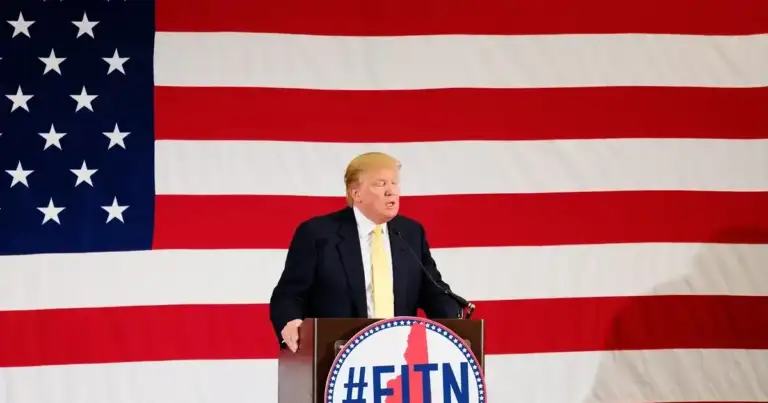
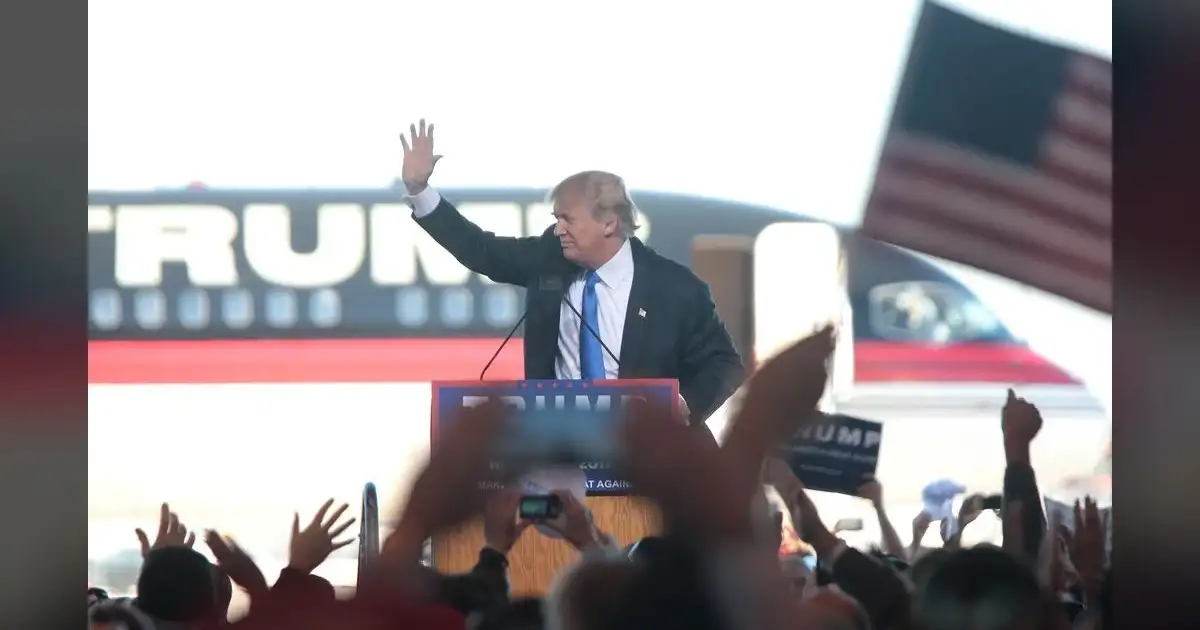
President Trump’s remarks, delivered during a recent public rally, were explicit. He stated his belief that the Iranian populace would welcome an American military strike, threatening to destroy “every power plant” and ensure “no bridges standing.” Such declarations are unprecedented in their directness and the sheer scale of destruction they envision.
This is not merely political posturing. This is a direct, unambiguous threat of unimaginable destruction, attempting to frame an entire civilian population as eager for their homeland’s devastation. The implications for international law, human rights, and regional stability are profound.
The Perilous Narrative: “They Want It”
The notion that Iranian civilians are collectively clamoring for America to bomb their country is deeply flawed and dangerous. It sidesteps the complexities of a nation’s internal dissent and silences the authentic voices of millions who would bear the brunt of such an action.
One must ask: Does President Trump genuinely believe this, or is it a calculated strategic maneuver? This framing is a classic tactic to justify intervention, seeking to demonize a nation and paint a picture of a populace so desperate for foreign intervention that they would welcome its most destructive forms.
The “Red Marker” Angle: A Cynical Exploitation?
Public reaction has been sharply polarized, with much online discourse characterizing this as an “AI grift” or a “PR stunt.” Many perceive it as a cynical manipulation of public sentiment, a precursor to actions that would otherwise lack popular support. Scammers are already exploiting this event, creating fake videos and posts.
While Trump’s statements are real, the interpretation of Iranian civilian desires is highly contentious. Critics point to historical precedents where similar claims served as a prelude to military engagement, making the public rightly skeptical of such conveniently tailored justifications.
As one user on X (formerly Twitter) articulated: “Trump saying Iranian people want us to bomb them is just him setting up the justification. Don’t fall for it.” This sentiment resonates widely, suggesting this narrative is less about Iranian desires and more about what certain factions within Washington might seek to achieve.
The Reality on the Ground in Iran
To understand the situation, one must look beyond the rhetoric to the complex reality in Iran. The country grapples with immense internal challenges, including economic hardship exacerbated by stringent international sanctions. There are undeniable protests against the current regime, fueled by a desire for greater freedoms and economic stability.
However, protesting an oppressive government differs fundamentally from inviting foreign powers to bomb one’s own country. Iranian citizens seek better lives, economic stability, and human rights. They do not seek to have their power plants destroyed or their homes reduced to rubble.
The widespread Mahsa Amini protests of 2022, for instance, demonstrated widespread discontent focused on women’s rights and internal reform, not pleas for external invasion. To interpret these calls for reform as an implicit plea for military destruction is a grave distortion of the narrative, seemingly crafted to fit an aggressive agenda.
The Grave Implications of Such Threats
President Trump’s threats carry immense geopolitical weight and signal a potential for catastrophic escalation. Threatening to systematically wipe out Iran’s infrastructure carries several alarming implications.
The destruction of critical infrastructure would inevitably devastate civilian life, leading to widespread death, injury, and unimaginable suffering. Such actions would trigger a humanitarian crisis of epic proportions, displacing millions and cutting off access to fundamental necessities.
Any large-scale military attack on Iran would destabilize the entire Middle East and could ignite a broader regional conflict. The United States would suffer an irreparable loss of moral authority, undermining decades of diplomatic efforts and international goodwill.
The Diplomatic Fallout and Its Repercussions
Such aggressive rhetoric fundamentally undermines any possibility of diplomatic solutions. Tehran would not engage in good-faith negotiations under the explicit threat of total destruction. Such threats only harden their resolve, pushing them further into the arms of other geopolitical adversaries.
President Trump’s previous “maximum pressure” campaign yielded limited strategic results and arguably hurt the Iranian people more than it altered the regime’s behavior. Escalating to direct threats of infrastructure destruction is a dangerous gamble with the lives of millions, the stability of an entire region, and the very fabric of international relations.
What Does America Truly Want in Iran?
What does America truly seek in Iran? Is it regime change at any cost, regional stability, or a new nuclear deal? The President’s statements suggest a willingness to pursue the former through extreme and destructive means.
The American public remains deeply divided on the efficacy and morality of foreign interventions. Decades of costly wars have left many wary of further military entanglements. The idea of unilaterally destroying a nation’s infrastructure is unlikely to garner broad public support.
We, as a global community, must scrutinize these claims with rigor, demanding clarity and accountability from our leaders. Our foreign policy decisions must be guided by the best interests of both American security and global stability, not inflammatory rhetoric. The lives of millions, and the future of regional peace, hang precariously in the balance.
The claim that Iranian civilians desire a devastating military assault from America is not just factually incorrect; it is a profound and dangerous distortion of reality. It serves as a perilous precursor to potential conflict, a narrative designed to pave the way for actions with catastrophic consequences. We must reject this narrative and demand a path that prioritizes diplomacy, humanitarian considerations, and human lives over the specter of widespread destruction.
Photo: Photo by Gage Skidmore on Openverse (flickr) (https://www.flickr.com/photos/22007612@N05/23799306315)
Source: Google News