
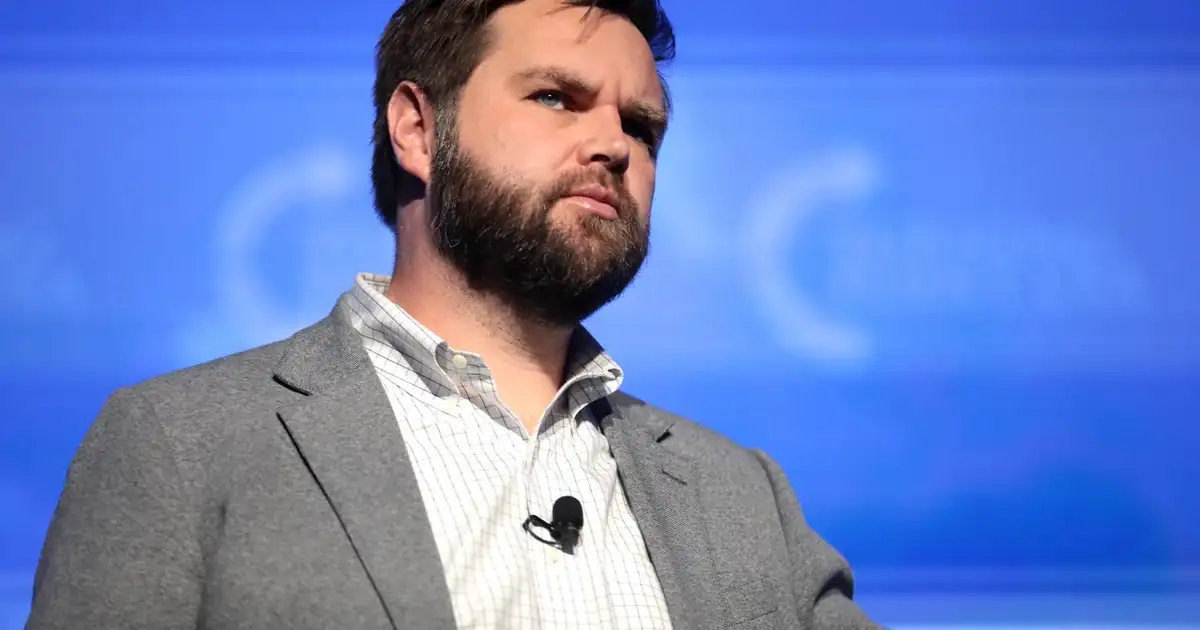

Washington scrambles to avert a potential crisis that could reshape the Middle East. Vice President J.D. Vance is leading an all-night diplomatic push to broker a peace deal with Iran.
This urgent initiative follows former President Donald Trump’s ultimatum. Trump reportedly warned he would “blow up everything” if an agreement isn’t reached, raising stakes dramatically.

The Unprecedented Weight of the Vice Presidency
Vice President Vance’s direct involvement in these high-stakes negotiations signals a significant shift. Traditionally, the Vice President plays a supportive role in foreign affairs.
His hands-on approach suggests either an extraordinary delegation of authority or a calculated recognition of his unique capacity to manage this complex crisis. Foreign policy circles question if his blend of intellectual rigor and populist appeal is a strategic asset.
The all-night negotiation marathon highlights the critical nature of the situation. Such efforts consume vast diplomatic resources and place immense strain on negotiating teams.
Vance faces immense pressure to deliver a tangible outcome. A successful resolution could solidify his standing, but failure could have profound consequences for American foreign policy and Middle East stability.
Trump’s Ultimatum: A Double-Edged Sword in Diplomacy
Former President Trump’s ultimatum injects a volatile element into an already delicate situation. His warning to “blow up everything” is a rhetorical tactic he has used before to exert maximum pressure.
However, in nuclear diplomacy and potential regional conflict, such language carries undeniable risks. It can be perceived as a legitimate threat, potentially prompting adversaries to entrench their positions or act impulsively.
The effectiveness of this strategy is debatable among seasoned diplomats. While it might expedite negotiations by creating urgency, it can also alienate partners and undermine trust.
The international community, accustomed to nuanced diplomacy, may view such pronouncements with alarm. This complicates efforts to build consensus and support for any deal. As one veteran diplomat anonymously noted, “Ambiguity can be a tool, but here, it feels like a fuse.”
Forging a Path to Resolution Amidst Deep Mistrust
Achieving a lasting peace deal with Iran is fraught with historical baggage and deep-seated mistrust. Any agreement must address Iran’s nuclear program, regional activities, and neighbors’ security concerns.
The U.S. aims to prevent Iran from acquiring nuclear weapons, de-escalate regional tensions, and ensure the safety of American allies.
Vice President Vance’s success hinges on several factors. He must find common ground on core issues like nuclear capabilities and verification mechanisms.
Securing enforceable commitments from all parties is paramount. Managing former President Trump’s unpredictable pronouncements will be a delicate balancing act. Finally, navigating the volatile web of regional rivalries requires extraordinary skill.
The current situation underscores a fundamental truth: diplomacy remains the primary tool for resolving disputes and preventing conflict. The spectacle of an all-night scramble for peace, juxtaposed with a former President’s ultimatum, highlights the tension between negotiation and coercion.
Photo: Photo by Gage Skidmore from Surprise, AZ, United States of America on Openverse (wikimedia) (https://commons.wikimedia.org/w/index.php?curid=104074807)
Source: Google News

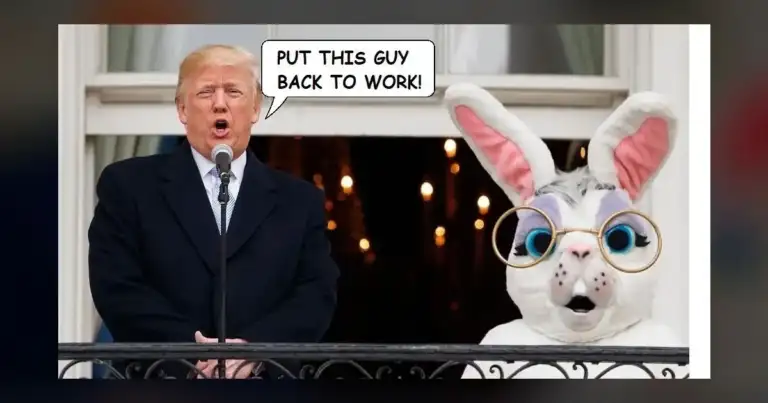


Tucker Carlson about Trump’s Easter speech: We are not God