
Deadly Explosion Under Panama Canal’s Bridge of the Americas Shakes Global Trade
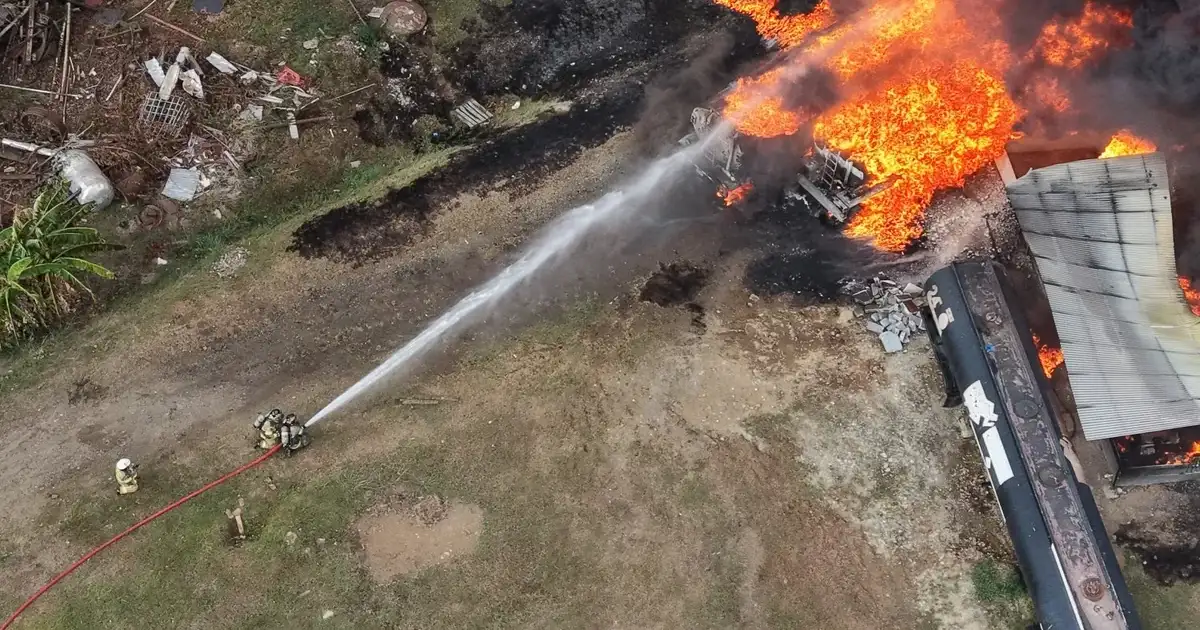
A fuel tanker exploded beneath the Panama Canal’s Bridge of the Americas on April 6, 2026, killing one person and injuring multiple firefighters. Over 50 firefighters battled the blaze, and the bridge was temporarily closed. Yet, mainstream media dismissed it as “just a fuel tanker mishap.” This incident exposed the fragile state of global supply chains.
The Bridge of the Americas is a critical link for the Panama Canal, which handles nearly 12% of global maritime trade. Flames forced safety inspections and caused uncertainty, even though canal operations reportedly continued with minimal disruption. The ripple effects on shipping and supply networks, however, are significant.

- Date: April 6, 2026
- Location: Under the Bridge of the Americas, Panama Canal
- Casualties: 1 dead, multiple firefighters injured
- Response: 50+ firefighters deployed, bridge temporarily closed
- Canal status: Operations continued with no major closures
Why This Explosion Matters More Than You Think
The Panama Canal moves everything from raw materials to luxury beauty ingredients and fashion goods. Disruptions cause delays, price hikes, and shortages worldwide. With supply chains already strained by pandemic aftershocks and geopolitical tensions, this explosion could worsen an already fragile system.
Why the media silence? Online communities on Reddit and X suggest this might be sabotage or a “false flag” tied to the ongoing US-Iran conflict. Targeting the world’s most strategic shipping corridor would send a powerful message.
Geopolitics and the Panama Canal: A Dangerous Intersection
The canal is a geopolitical hotspot. Disrupting it grants enormous leverage over global trade. The explosion’s timing amid rising tensions seems too deliberate to be accidental. It’s a calculated move to shake markets and hike shipping costs without sparking a full crisis.
“Fuel truck ‘explodes’ under a bridge? In 2026? Smells like scripted psyop to hike shipping rates.” — Viral X thread with 50,000 likes
This isn’t paranoia. The canal’s vulnerability is a glaring risk in a world dependent on seamless supply chains. Governments and corporations downplay these dangers to avoid panic, but consumers and industries already feel the impact.
Who Pays the Price? Beauty, Fashion, and You
Beauty and fashion brands rely heavily on the canal for exotic botanicals, rare textiles, and finished products. Delays mean empty shelves, postponed launches, and rising prices. The push for “sustainability” and “local sourcing” is more than marketing—it’s a survival tactic.
Consumers will face scarcer, pricier skincare serums and designer pieces. Minimalist beauty trends aren’t just style choices—they reflect adapting to supply chain chaos. Few realize this all ties back to a burning fuel tanker under a distant bridge.
Facing the New Reality: Supply Chains on the Edge
This explosion is a warning. It reveals how public safety and global markets are pawns in geopolitical games. One life lost is tragic, but the bigger issue is how little we’re told about the fragility behind everyday luxuries.
Next time you buy that luxury serum or designer outfit, ask yourself: are you paying for quality, or caught in a web of geopolitical sabotage and supply chain fragility?
The Panama Canal explosion is a wake-up call. Don’t let your beauty routine become the next casualty of this unstable world.
Source: Google News