

The Same Old Song and Dance, Amplified
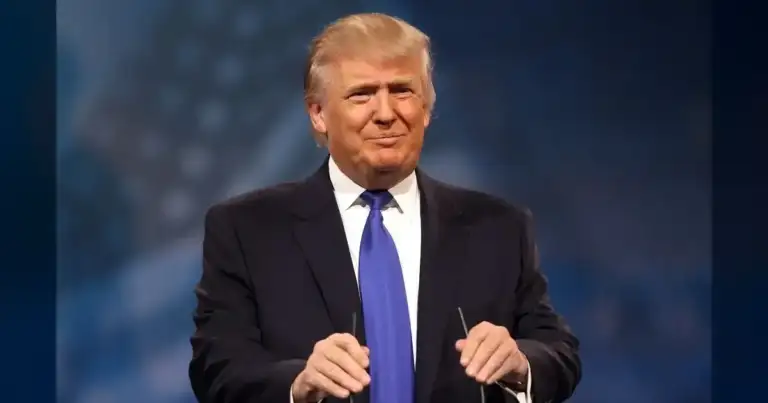
This “destroy Iran in one night” rhetoric isn’t just old; it’s practically ancient history in the fast-paced world of political cycles. We’ve heard it before, a bombastic declaration designed to seize headlines and ignite social media firestorms. But what does it truly signify? If history serves as our umpire, precious little. This bluster has become a recurring motif, a predictable drumbeat in the political arena, generating buzz without tangible action. The digital coliseums of the internet, particularly Reddit and X (formerly Twitter), erupted with a collective groan. Users, weary of the constant saber-rattling, swiftly labeled it “warmonger clickbait,” seeing through the thinly veiled charade. A common refrain echoed across countless posts: “Trump’s been ‘destroying Iran one night’ since 2019.” This kind of relentless political theater is not merely exhausting; it consumes the precious oxygen needed for genuine discourse, effectively drowning out substantive discussions about the real challenges facing the nation.Distraction from the Dugout: The Real Game Unfolding
While President Trump is engaged in his geopolitical tough-guy routine, a far more impactful struggle is unfolding within the hallowed halls and sprawling fields of college athletics. The real fight, the one that will shape generations of athletes and institutions, is about money, power, and the very soul of amateurism. The nascent and still-chaotic landscape of Name, Image, Likeness (NIL) policies continues to be a messy, evolving beast, fundamentally transforming the game. Recruiting has become a veritable Wild West, where player valuations fluctuate wildly. Consider talents like Cooper Flagg, whose prowess with the Dallas Mavericks, averaging an impressive 21.1 PPG, underscores the immense talent pool available. The burning question remains: how do we fairly compensate these young titans without sacrificing the integrity of collegiate competition? The NCAA, once the undisputed monarch of college sports, is scrambling, its authority challenged and its future uncertain. Congress, in its ponderous way, debates potential federal frameworks to bring order to the chaos. But who, amidst the clamor of political theatrics, is truly paying attention? This “D-Day for Tehran” talk is not just a distraction; it’s a massive, deliberate misdirection, pulling the public’s gaze away from the critical issues that will define the future of college sports.The Public’s Verdict: A Chorus of Cynicism
The public’s reaction to this political spectacle has been nothing short of scathing. They’ve branded it “yellow journalism porn,” a desperate, click-driven narrative. Accusations are hurled at media outlets for hyping every presidential utterance, transforming every comment into a headline designed to grab eyeballs rather than inform minds. One particularly incisive user on r/politics succinctly captured the sentiment: “This is just Boomers creaming over B-2 flexes.” While blunt, this statement reflects a profound, pervasive cynicism within the populace, a weariness with the incessant cycle of manufactured outrage. People yearn for substance, for genuine solutions to tangible problems. Instead, they are fed a steady diet of threats and drama. The hashtag #TrumpIranHoax surged across X, accumulating over 500,000 posts, many accusing the narrative of being a “deep state psyop.” This astonishing level of engagement reveals the depth of public distrust, the profound lack of faith in the integrity of political discourse. A significant segment of the population believes this entire spectacle is nothing more than a carefully orchestrated show, a smokescreen designed to divert attention – perhaps from domestic woes, perhaps from looming elections.Impact on the College Gridiron: A Ripple Effect
This relentless political noise isn’t confined to the Beltway; its reverberations are felt keenly on the college gridiron. It subtly but surely shapes the national mood, influencing public trust and confidence in institutions. Universities, often caught in the crossfire, must navigate an increasingly polarized landscape. Athletic departments, reliant on stable funding and public support, find their foundations shaken. When the national conversation is dominated by the specter of war, other vital issues are inevitably shunted aside. Issues like the intricate future of the College Football Playoff (CFP), the monumental shifts in conference realignment, and the very economic viability of athletic programs are all overshadowed. The SEC, a colossus in collegiate athletics, continues its relentless march towards dominance, while the Big Ten expands its formidable footprint. These are not minor adjustments; these are seismic shifts that impact millions of devoted fans and countless student-athletes. Yet, the headlines scream about Iran, the focus diverted, the opportunity for meaningful discussion lost in the political din. It’s a missed opportunity, a fumbled pass in the grand game of national priorities.The Illusion of Urgency: A Familiar Play
This “destroy Iran tonight” narrative is a classic political maneuver, designed to conjure an illusion of immediate urgency, to make it seem as though decisive action is imminent. More often than not, however, it’s merely bluster, a strategic play to rally the political base and project an image of unyielding strength. Yet, the world watches – our allies, our adversaries, all observing this familiar performance. They see not a genuine threat, but a well-rehearsed act, a predictable pattern of rhetoric. Meanwhile, in the real world of college sports, coaches are painstakingly building programs, recruits are making life-altering decisions about their futures, and transfers are reshaping entire team dynamics. These are the authentic stories, the narratives that truly resonate with college football fans, the dramas that unfold with genuine stakes. The relentless political noise makes it exponentially harder for these crucial stories to break through, for fans to focus on the athletic contests that truly matter. It creates a suffocating fog of uncertainty, obscuring the path forward for young athletes and the institutions that support them.A Cynical Cycle Continues, Unabated
This cycle is not just cynical; it’s depressingly predictable. A grand, often provocative statement is made. The media, ever eager for a headline, rushes to cover it. The public, jaded and weary, reacts with a healthy dose of skepticism. And yet, fundamentally, nothing changes. We’ve witnessed similar patterns play out with countless other major political events. The focus shifts, the outrage simmers, and then, inevitably, it fades, only to be replaced by the next manufactured crisis. The core issues confronting college football, however, remain stubbornly persistent. The powerful NIL collectives continue to reshape rosters with unprecedented influence. The volatile transfer portal remains a game-changer, fundamentally altering team construction and player loyalty. These are not fleeting trends; these are structural shifts, tectonic plates grinding beneath the surface of collegiate athletics, and they are not going away. Players like Jaxson Dart, the formidable quarterback for the New York Giants, and thousands of other student-athletes, are navigating this bewildering new world. They crave stability, they desperately need clear, consistent rules and guidelines. Instead, they are fed a steady diet of political theater, of empty threats and hollow pronouncements. This serves no one. It only muddies the waters, making an already complex landscape even more opaque.What Tonight Really Holds: The Unseen Battles
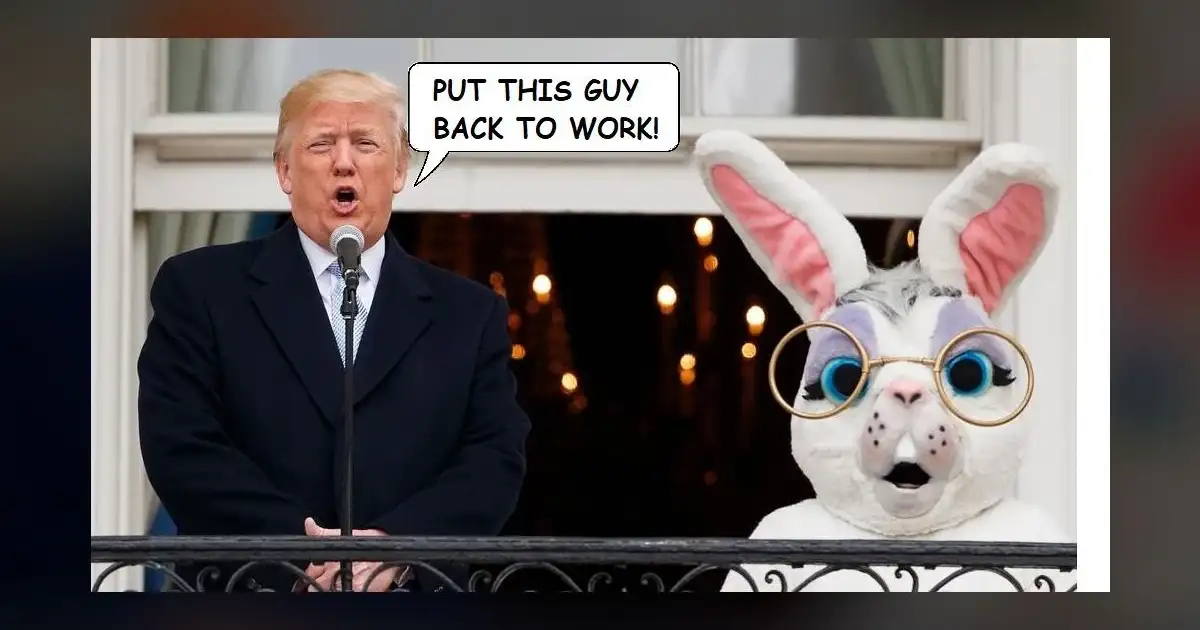
So, will tonight truly be D-Day for Tehran? In all likelihood, it will be just another night, another day, another round of political bluster that ultimately dissipates into the ether. But for college football, tonight holds a different, far more significant kind of D-Day. Tonight, coaches are on the recruiting trail, shaping the futures of young athletes. Tonight, players are in the weight room, on the practice field, honing their skills, pushing their limits. Tonight, critical decisions are being made – decisions that will echo through championship seasons and define legacies. These are the decisions that will truly shape the future of the sport, determining who hoists the trophies, who earns the accolades, and who reaps the financial rewards of their talent and dedication. This is the real game being played, with tangible stakes and undeniable consequences. The political theatrics, for all their bluster and noise, are merely background static. It’s time, truly time, to tune out the manufactured outrage, to silence the political din, and to focus our collective gaze where it truly belongs: on the field, where the real battles are fought and won.Photo: Photo by Mike Licht, NotionsCapital.com on Openverse (flickr) (https://www.flickr.com/photos/9106303@N05/49701126163)
Source: Google News