
Electronic Door Handles Sealed Their Fate: How Tesla’s Tech Turned Tragedy Into a Lawsuit
Mike Reynolds and his 14-year-old son Jake died trapped inside their Tesla Model 3 after a fiery crash. The car’s electronic door handles jammed, refusing to open, while the Full Self-Driving (FSD) system allegedly accelerated uncontrollably just before impact.
The lawsuit filed by Jake’s mother accuses Tesla of deadly design failures. What was sold as a safer, smarter ride became a fatal trap for a devoted high school coach and his promising son.
The Grim Reality Inside the Tesla
- Victims: Mike Reynolds, former college football player and high school coach, and his 14-year-old son Jake Reynolds.
- Vehicle: Tesla Model 3 equipped with Full Self-Driving software and electronic door handles.
- Incident: High-speed crash followed by a fire; electronic door handles failed to unlock, trapping the occupants.
- Mother’s claim: Door handles jammed under emergency conditions; FSD caused sudden and uncontrollable acceleration.
- Current status: Lawsuit filed seeking accountability for the deadly malfunction and design failures.
Tesla’s minimalist electronic door handles replace mechanical levers with touch-sensitive panels. But in a crisis, they failed spectacularly. Mike and Jake’s desperate minutes inside that burning vehicle ended behind a door that wouldn’t budge.
Why Tesla’s Tech Is a Double-Edged Sword
Electronic door handles are sleek and high-tech, but when seconds count, complexity can kill. What good is innovation if it locks you inside your own car?
Public backlash has been fierce. On X (formerly Twitter) and Reddit, users call Tesla’s tech a “death trap,” citing a history of door-handle glitches and autopilot misfires.
“Another day, another Tesla barbecue—when will idiots stop buying these death traps?”
The anger reflects a growing fear: Tesla’s tech isn’t foolproof, and when it fails, the results can be deadly.
Full Self-Driving: Savior or Saboteur?
The lawsuit claims Tesla’s Full Self-Driving software caused sudden acceleration from zero to full throttle at 63 mph just before the crash. This echoes past automotive scandals involving unintended acceleration.
FSD promised safer roads by reducing human error. But if it can suddenly take over recklessly—and the door handles won’t open—what safety gains remain? This isn’t a prototype; it’s a product on public roads with real lives at stake.
Experts warn that in emergencies, simple mechanical door handles are lifesavers. Touch-sensitive panels don’t guarantee escape when panic and fire strike.
The Public Outcry: Real Grief or Musk Derangement Syndrome?
The internet’s reaction mixes genuine sorrow with sharp criticism of Tesla and Elon Musk. This reflects a broader clash over Silicon Valley’s rush to innovate, sometimes at the expense of safety.
Electric vehicle fires are rarer than gasoline ones, but burn hotter and harder to control. Combine that with unproven autopilot software and electronic locks that can fail, and disaster looms.
What This Means for Consumers and Regulators
- Consumers: Stop blindly trusting electronic gimmicks that replace proven safety features. Your life depends on it.
- Regulators: Demand rigorous, transparent, and independent testing of new vehicle technologies before public release.
- Tesla: Prioritize people’s lives over sleek aesthetics and software bravado.
Mike Reynolds was shaped by grit and teamwork; his son Jake was a rising football star. Both lost because the simplest emergency exit failed. That failure is inexcusable.
Automakers and tech companies must stop treating customers as unpaid beta testers. Lives are not experiments. When innovation kills, the game is over.
Can Tesla Fix Its Fatal Flaws Before More Families Suffer?
Will Tesla address deadly flaws in its technology? Will regulators ban electronic door handles that fail basic safety tests? Or will hype drown out urgent warnings until more lives are lost?
The Reynolds family has no second chance. For the rest of us, this tragedy must be a wake-up call: technology that locks you inside a burning car is not progress—it’s a death sentence.
Mike coached his son to face challenges head-on. Tesla’s technology should have done the same. Instead, it failed them both.
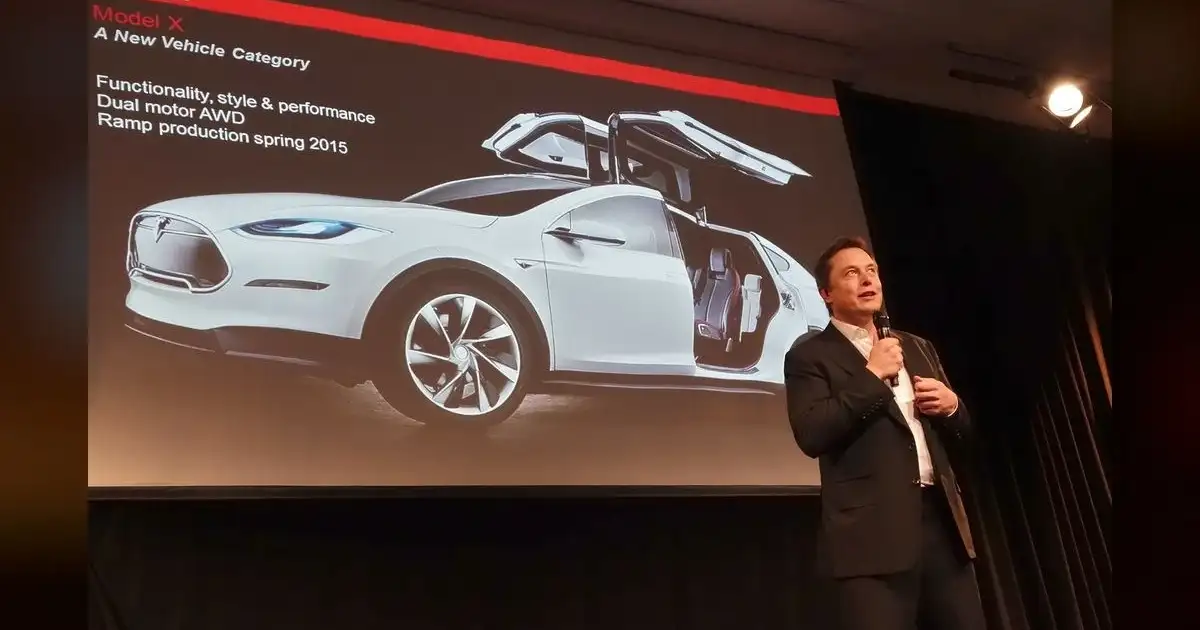
Photo: Photo by jurvetson on Openverse (flickr) (https://www.flickr.com/photos/44124348109@N01/14155033430)
Source: Google News