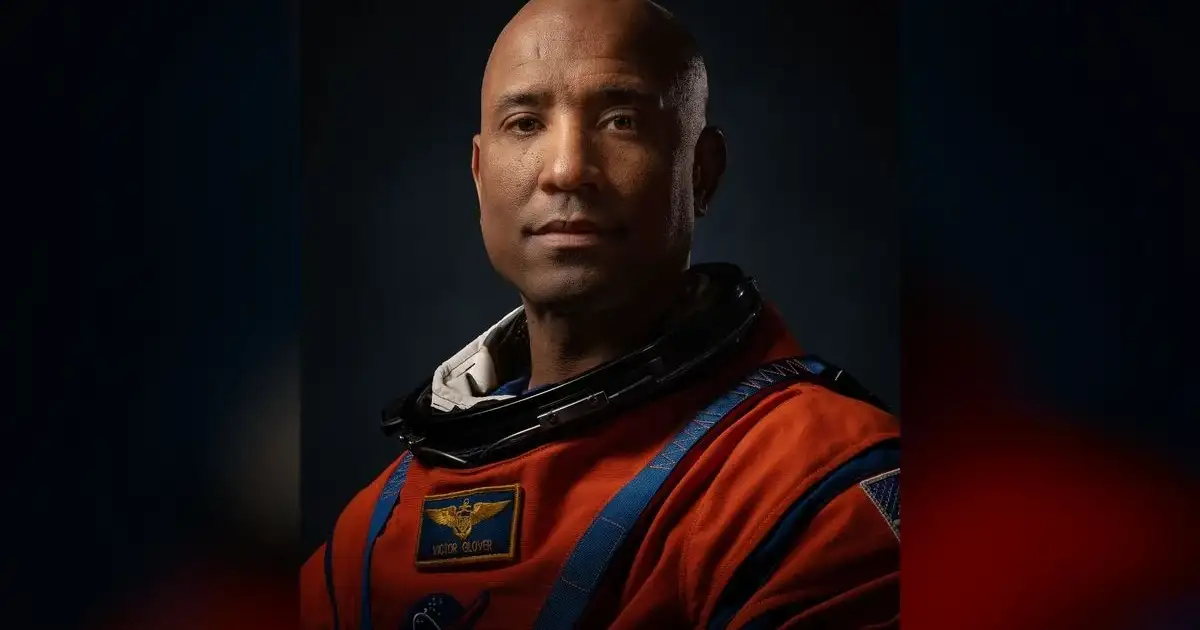

When NASA’s Artemis II Astronaut Chooses Bible Verses Over Mission Control, and Then Communication Drops Out
Imagine this: during NASA’s Artemis II lunar flyby, astronaut Victor Glover tweets about the Bible’s “greatest commandment.” Moments later, communication with the spacecraft cuts out for nearly 10 minutes. Coincidence? Doubtful.
The Mission, the Message, and the Blackout
On April 6, 2026, Glover’s social media post about loving God and neighbor went viral, gathering over 50,000 likes and 12,000 retweets in two days. It was a personal moment, but the timing was suspicious.

Shortly after, NASA’s Deep Space Network suffered a communication blackout lasting just under 10 minutes. NASA insists this is routine, blaming spacecraft positioning. But with $200 million earmarked for Artemis communication upgrades in 2026, shouldn’t these blackouts be a thing of the past?
- Astronaut: Victor Glover
- Mission: Artemis II lunar flyby
- Communication blackout: Under 10 minutes
- Social media post: Biblical “greatest commandment” reflection
- Engagement: 50,000+ likes, 12,000 retweets
Faith in Space: Inspiration or Distraction?
In 2026, NASA astronauts still use personal religious messages to shift public focus from mission issues. Glover’s spiritual tweet isn’t just heartwarming—it’s a distraction from a serious problem. Why, after billions spent on space tech, does NASA still struggle with reliable communication during critical moments?
Faith supporters praise the blend of space exploration and religion. But tech watchers and taxpayers see a frustrating disconnect. NASA’s communication systems falter like relics from another era, while astronauts get applause for spiritual soundbites instead of technical transparency.
Communication Failures: A $200 Million Problem
NASA calls these blackouts “anticipated,” but that’s just code for “we haven’t fixed it.” Nearly a decade into Artemis, and with a hefty budget for upgrades, intermittent signal loss during lunar flybys is unacceptable.
Glover’s message about love is noble, but irrelevant when the radio goes silent. This mix of faith and tech failure feels like a Silicon Valley PR stunt: distract with positivity while ignoring the real issues.
Why are astronauts allowed to dominate social media with spiritual quotes instead of demanding better tech? Shouldn’t fixing communication glitches come first?
Science or Sermons?
Artemis II was supposed to mark America’s scientific leap to the Moon. Instead, it highlights misplaced priorities. Taxpayers fund communication systems that perform like 1990s dial-up, while astronauts earn praise for mid-mission religious posts.
Will future launches rely on prayer apps instead of rocket fuel? This isn’t inspiring—it’s a tech scandal in a spacesuit.
NASA’s culture seems to prefer spiritual pep talks over accountability. It’s time to demand science first and stop turning space exploration into a pulpit. Millions of miles from home, mission control should sound like experts, not preachers.
Photo: Josh Valcarcel – NASA – Johnson Space Center
Source: Google News