
The Edit:
- Iran demands $1 million toll for each ship passing the Strait of Hormuz under a new ceasefire deal.
- Global shipping costs and oil prices surge amid fears of legalized piracy on a strategic trade route.
- Western powers scramble to defend freedom of navigation while Iran profits off crippling global energy supply.
Iran Cashes In on Ceasefire: Regime Looks to Pocket $1 Million Toll for Each Ship That Passes Through Strait of Hormuz as Part of Truce
Forget peace dividends—Iran has turned the Strait of Hormuz into the world’s most audacious toll booth, demanding a jaw-dropping $1 million fee per ship under the guise of a ceasefire. This is not diplomacy; it’s blatant economic extortion wrapped in a thin veil of “security.”
Tehran’s new “security fee” is nothing but a brazen power grab targeting global shipping giants. While Iran claims this toll is payment for safeguarding one of the planet’s most critical maritime chokepoints, the truth is far darker: it’s a ruthless exploitation of geography to squeeze money from a captive global economy.

The Hard Facts: Iran’s Strait Shakedown
The Strait of Hormuz isn’t just any waterway—it channels a staggering 20-25% of the world’s oil supply every single day. With roughly 20,000 vessels transiting annually, Iran stands poised to rake in hundreds of millions of dollars each year, all for controlling a corridor it already dominates militarily.
- April 6-7, 2026: Iran announced the $1 million toll as part of a freshly brokered ceasefire.
- Insurance premiums for ships surged by 15% overnight.
- Global oil prices jumped approximately 3% within 48 hours amid fears of supply chain disruptions.
Western naval forces have slammed this as outright illegal under international maritime law. The U.S. Navy branded it an “unlawful attempt to exploit a critical international waterway.” Yet geography is Iran’s ace—its chokehold on the strait means pushback risks military escalation, leaving the world’s shipping lanes hostage to Tehran’s whims.
Economic Warfare Disguised as Peace
This is no innocent “security fee.” Iran is weaponizing its geographic advantage to bankroll a regime battered by sanctions and internal economic crises. The timing couldn’t be more cynical—just as the guns quieted, Tehran flipped the script and turned peace into profit.
Shipping magnates are livid. Many are rerouting vessels, sparking delays and inflating costs that will inevitably hit consumers at the pump and on store shelves worldwide. This toll is a stealth tax on every American filling their gas tank, every manufacturer relying on energy stability, every global business counting on uninterrupted trade.
It’s a brazen reminder that “peace deals” can be a farce when one side cashes in on the spoils. This ceasefire isn’t about stability—it’s about turning the Strait of Hormuz into Iran’s personal cash cow.
Global Consequences: The Price We All Pay
The fallout is unmistakable:
- Consumers: Brace for higher fuel prices and escalating inflation.
- Shipping industry: Grappling with soaring operational expenses, insurance hikes, and limited rerouting options.
- Western governments: Caught between defending freedom of navigation and avoiding a military flashpoint.
- Regional neighbors: UAE, Saudi Arabia, and Oman face trade losses and pressure to respond.
The global economy is effectively held hostage by Tehran’s chokehold. What should be guaranteed free passage under international law has turned into a toll road on steroids.
Freedom of Navigation or Iranian Extortion?
Let’s cut the diplomatic doublespeak: the Strait of Hormuz is an international waterway protected by the United Nations Convention on the Law of the Sea (UNCLOS), which guarantees free passage. Iran’s new toll flagrantly violates these rules, risking a dangerous precedent where powerful nations tax global commerce simply by virtue of geography.
The burning question: what will the global community do? The U.S. and its allies face a brutal choice. Push back aggressively and risk igniting military conflict. Stand down and watch as Tehran turns international trade into a legalized extortion racket.
“This toll is a fair compensation for the security and stability we guarantee in the Strait,” declared an Iranian Foreign Ministry spokesperson on April 7, 2026.
Fair? More like a shakedown. Iran didn’t just lower its weapons; it raised the price of passage. If this is peace, it’s a costly one for everyone else.
Who’s Really Winning the Ceasefire?
The backlash is fierce and unrelenting. Social media users mock the “ceasefire” as a raw deal for the world and a jackpot for Iran. Shipowners have dubbed the toll “extortion racket 2.0.” Traders fret about spiraling supply chain chaos. Some conspiracy theories even blame U.S. policy for handing Tehran this golden goose.
This toll isn’t a peace dividend. It’s a glaring sign of global weakness and diplomatic failure. Iran controls the Strait militarily—and now, financially. The rest of the world just keeps paying up.
Final Thought
If the world lets the Strait of Hormuz become Iran’s $1 million toll booth, what’s next? Will other strategic chokepoints demand their cut? How long before global trade grinds to a halt under a patchwork of arbitrary tolls?
One thing is crystal clear: peace that profits a single regime by squeezing billions from the global economy isn’t peace at all. It’s raw geopolitical muscle-flexing disguised as diplomacy—and we’re the ones footing the bill.
“Freedom of navigation must be upheld,” the U.S. Navy warned. It’s time to back those words with action, not empty rhetoric.
Because if Iran profits from this ceasefire, it won’t be peace the world remembers—it’ll be the day the Strait of Hormuz became the planet’s most expensive toll road.
—Hungry for more sharp takes on global power plays? Check out TheManEdit’s deep dive into the US-Iran conflict at TheManEdit on StateEdit.
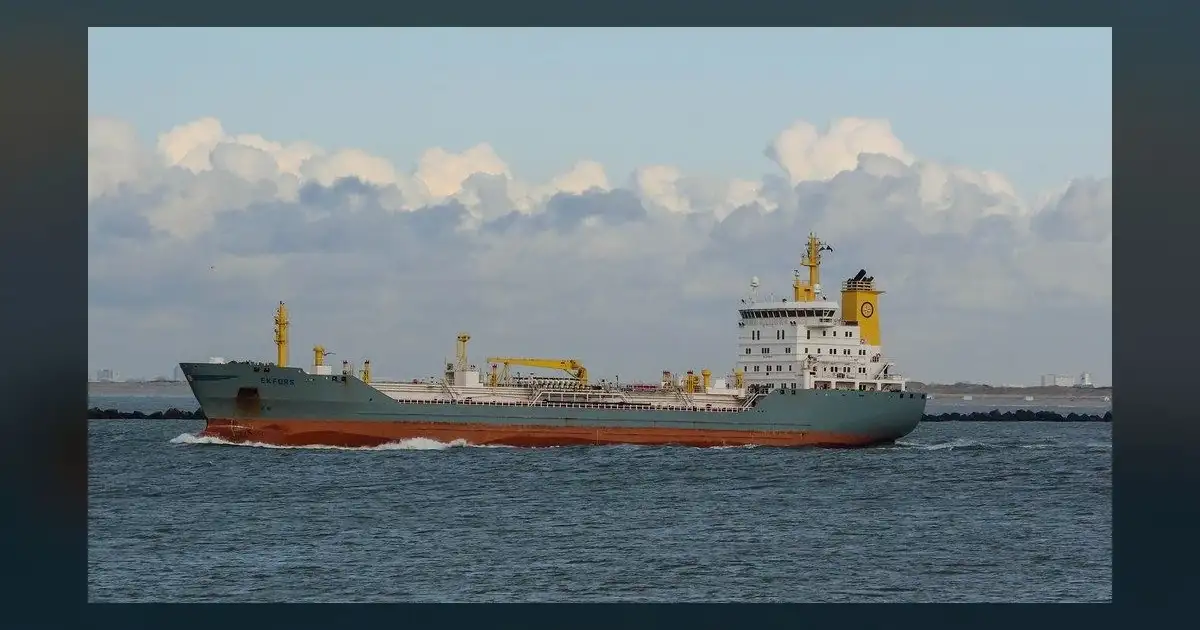
Photo: Photo by Frans Berkelaar on Openverse (flickr) (https://www.flickr.com/photos/28169156@N03/16525189720)
Source: Google News