
The Edit:
- Pete Hegseth publicly attacked a female reporter as “nasty” amid pointed questions about Iran ceasefire failures.
- Iran has launched at least five missile attacks since the ceasefire announcement, resulting in over $200 million in defense and repair costs.
- A bitter culture war erupted online, exposing toxic gender politics and deep partisan divides over U.S. foreign policy.
Hegseth Erupts at Female Reporter Challenging Ceasefire as Iran Continues Missile Strikes
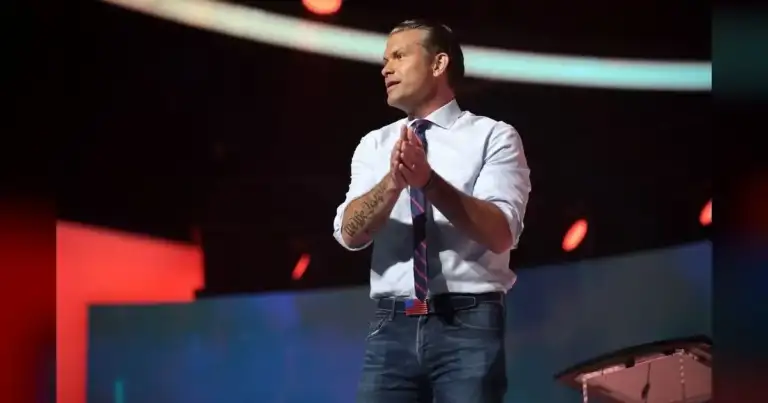
When a female reporter pressed Pete Hegseth on the glaring failures of the recent ceasefire with Iran—while Tehran continued launching missiles—he didn’t just respond; he went on the offensive, branding her “nasty” in a raw, unapologetic display of hostility. This was no mere slip of temper. It was a calculated warning: challenge the Trump administration’s Iran policy at your peril.
Since the ceasefire was declared on April 1, 2026, Iran has launched at least five missile attacks targeting U.S. bases and regional allies. The financial toll is staggering—over $200 million spent on missile defense systems and damage repairs in just the past week. Yet, instead of addressing these relentless assaults, Hegseth redirected fury at the press, accusing journalists of bias and disloyalty to America.

Hegseth’s Outburst Ignites a Culture War Inferno
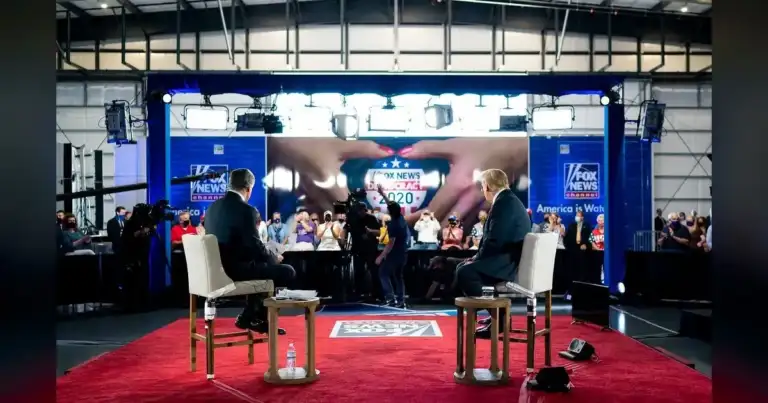
The confrontation unfolded live on Fox News, where Hegseth is a leading voice championing President Donald Trump’s hardline Iran stance. When the reporter pressed on the ceasefire’s glaring cracks, Hegseth responded not with facts, but with a verbal blow: calling her “nasty” and accusing her of undermining America’s position. It was a moment that exposed more than just irritation—it revealed a strategic weaponization of gendered attacks to silence dissent.
Social media exploded. Among Trump loyalists, Hegseth was hailed as a fearless defender of U.S. strength against what they see as a hostile media. One YouTube comment summed it up: “Based Pete owning the fake news. She interrupted like a Karen—‘so nasty’ is an understatement.” On the other side, critics denounced the episode as a textbook case of misogyny and media intimidation. Feminist voices condemned it as “toxic masculinity in uniform,” and the hashtag #SexistHegseth trended nationally.
Essential Facts You Can’t Ignore
- 5 missile attacks by Iran since the ceasefire announcement on April 1, 2026.
- $200 million spent last week on missile defense and damage repairs.
- 10% drop in public approval of the current administration’s Iran policy since the ceasefire.
- Bipartisan calls have emerged demanding congressional hearings into the ceasefire’s effectiveness and fallout.
Beyond the Twitter Firestorm: Why This Matters
This isn’t just a clash over tone or media personalities. It exposes a dangerous tactic: weaponizing gendered insults to shut down legitimate scrutiny of foreign policy failures. When missile attacks continue unabated despite a declared ceasefire, the American people deserve answers—not ad hominem attacks.
Hegseth’s defense of the administration’s Iran policy fits a broader Trump-aligned media strategy: rally the base by painting independent journalism as “biased” and “unpatriotic.” But this narrative comes at a steep price. It erodes trust in U.S. national security efforts and chokes off essential government transparency.
A Bipartisan Alarm Bells Ring
“We must cut through the noise and get to the truth about this ceasefire’s viability. Political posturing endangers national security,” said a senior bipartisan lawmaker calling for congressional oversight.
The growing bipartisan demand for hearings underscores the mounting frustration across the political spectrum. The ceasefire is far more fragile than the administration admits. Iran’s ongoing missile attacks prove Tehran is flagrantly ignoring the agreement, and Washington’s response remains weak and disorganized.
What Hegseth’s Rhetoric Reveals About Political Strategy
Hegseth’s sharp dismissal of the reporter’s valid questions is no accident. It’s a deliberate effort to frame the debate in terms of loyalty and toughness, signaling that criticism—especially from women—will be met with hostility. This “us versus them” mentality deepens partisan divisions and distracts from the real issue: Iran’s escalating aggression.
Meanwhile, the female reporter and many in the press face a wave of vitriolic personal attacks and threats. This toxic environment chills press freedom and undermines the watchdog role fundamental to American democracy.
The Real Cost: More Than Words
Missiles don’t just shatter buildings—they shatter trust, drain resources, and put American lives at risk. The $200 million spent last week is just the tip of the iceberg. Every failed ceasefire escalates the risk of a broader, costlier conflict with Iran.
Yet the public conversation remains hijacked by media battles and gendered insults instead of sober policy debate. The American people deserve better than partisan theater while foreign threats continue to mount.
The Forgotten Victims: Iranian Civilians and Regional Allies
As the U.S. media focuses on culture war skirmishes, the human toll on Iranian civilians and regional allies caught in the missile crossfire remains largely ignored. The suffering beyond Washington’s political theater is real—and growing.
What Comes Next? The Crucial Crossroads
Congressional hearings offer a chance—perhaps the last—to hold the administration accountable and demand a more coherent, effective strategy to enforce the ceasefire. But will they deliver results, or become yet another stage for partisan grandstanding?
President Trump’s administration and staunch allies like Hegseth must understand this: silencing tough questions won’t stop missiles from flying. The true battle lies in crafting and enforcing a durable peace, not in shouting down critics.
Hegseth’s outburst may grab headlines, but it’s a distraction from the urgent reality on the ground. The question is stark: will the administration prioritize protecting America or simply battling its critics?
The ceasefire should mark a step toward peace, not a platform for political gamesmanship. If missiles keep flying and reporters keep getting labeled “nasty,” America stands to lose—both on the battlefield and in public trust.
How long before the price of this political theater becomes catastrophically high?
—“Questioning the facts is not nastiness. It’s journalism’s duty to hold power accountable, especially when lives are at stake.” — Statement from the female reporter’s network
Source: Google News