
The Edit:
- President Trump announces a two-week ceasefire with Iran amid escalating US-Iran war in 2026.
- Trump asserts the Strait of Hormuz will reopen as Tehran submits a 10-point peace plan.
- Experts and public remain deeply skeptical; no independent confirmation from Tehran or major news outlets.
Trump Declares Two-Week Ceasefire with Iran and Claims Strait of Hormuz Will Reopen as Tehran Submits 10-Point Peace Plan to End the War
In a stunning and unexpected move today, President Donald Trump announced a two-week ceasefire with Iran, claiming that Tehran has submitted a detailed 10-point peace plan aimed at ending the bitter US-Iran war. He boldly declared that the Strait of Hormuz—a vital artery for global energy supplies—will reopen immediately, signaling a potential, albeit fragile, turning point in one of the world’s tensest geopolitical flashpoints.
This declaration arrives against the backdrop of intense hostilities that erupted in February 2026, following coordinated US and Israeli strikes on Iranian nuclear and military facilities. Since then, Iran has blockaded the Strait of Hormuz, through which roughly 20% of the world’s oil transits, sparking fears of a catastrophic energy crisis. Trump’s announcement promises a dramatic pause in violence and a pathway toward peace—but the question remains: is this a genuine breakthrough or just another headline designed to shift the narrative?

The Concrete Details: What We Know So Far
- Ceasefire Duration: Two weeks, as stated by President Trump during this morning’s press briefing.
- Peace Plan: A 10-point proposal reportedly submitted by Tehran, though the full contents remain undisclosed to the public.
- Strait of Hormuz: Expected to reopen immediately to commercial shipping following the ceasefire announcement.
- Conflict Timeline: US and Israeli military strikes began on February 28, 2026, targeting Iran’s nuclear and military infrastructure.
- Verification Status: No official confirmation from Iranian state media, international news agencies, or diplomatic sources as of this writing.
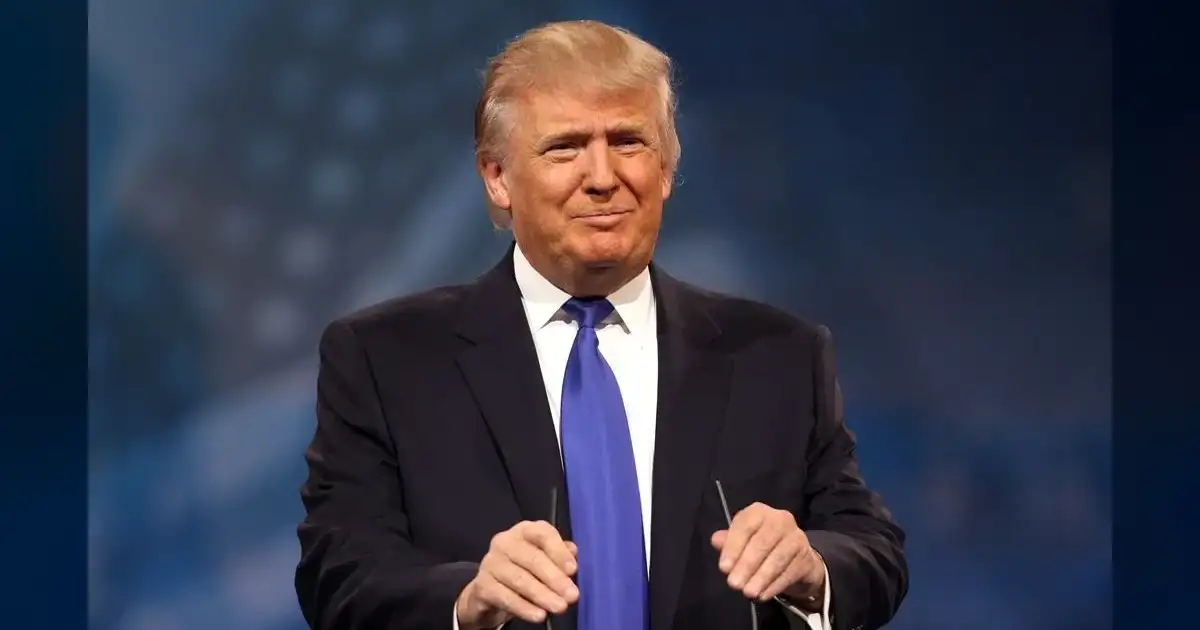
At a White House press conference, President Trump framed the ceasefire as a major victory. He declared:
“This ceasefire is a win for America and the world. Iran has finally submitted a plan to bring peace. The Strait of Hormuz will reopen, ensuring stability in global oil markets.”
Yet, despite this confident assertion, Tehran remains conspicuously silent on official channels. Iranian news agencies IRNA and Tasnim have not acknowledged any peace plan or ceasefire talks. Furthermore, international observers, including the United Nations, have yet to confirm any diplomatic progress or agreement.
Why Skepticism Dominates Public and Expert Reactions
The initial public response has been a mix of skepticism and outright disbelief. Across social media platforms like X (formerly Twitter) and Reddit, Trump’s announcement quickly became viral fodder, spawning memes and sharp criticism.
- Social Media Backlash: The hashtag #TrumpIranCeasefire surged with over 500,000 interactions, with many dismissing the claim as “fantasy” or “4D chess gone wrong.”
- Voices from the Iranian Diaspora: Users on r/iran and other forums expressed disbelief, pointing to Iran’s historically hardline stance and absence of any official peace dialogue.
- Political Analysts: Experts highlight Trump’s track record of grandiose statements on Iran, from the Soleimani strike to fiery rhetoric like “fire and fury,” suggesting this might be a calculated move to influence public opinion ahead of the midterm elections.
Washington foreign policy experts stress the absence of credible evidence supporting Trump’s claims. Dr. Linda Morales, a seasoned Middle East analyst, told Reuters:
“Without confirmation from Tehran or neutral observers, this claim remains highly questionable. Ceasefires demand painstaking diplomatic groundwork, none of which has been publicly reported.”
The High Stakes: Why the Strait of Hormuz and This Ceasefire Matter
The Strait of Hormuz is not just a narrow waterway—it’s the lifeline for the global oil market, funneling roughly 20% of the world’s petroleum. Its blockade has already sent shockwaves through energy markets, triggering price spikes and heightening fears of a broader regional conflict. A genuine ceasefire accompanied by the Strait’s reopening would be monumental, easing global economic anxiety and restoring a fragile sense of security.
Beyond economics, ceasefires provide critical breathing room for humanitarian relief. In conflict zones worldwide, temporary pauses in fighting enable organizations like the World Health Organization to deliver vaccines, medical aid, and emergency care. A two-week truce could save countless lives and ease the suffering of civilians caught in the crossfire.
However, the glaring lack of independent verification casts a long shadow over these hopeful prospects. Until neutral observers confirm the ceasefire and peace plan, this announcement risks being little more than political theater.
Conclusion: A Genuine Peace Breakthrough or a Calculated Political Gambit?
President Trump’s bold proclamation of a ceasefire and a 10-point peace plan from Tehran arrives at a politically charged moment. While the headline of reopening the Strait of Hormuz and halting hostilities is undeniably welcome, the absence of independent confirmation forces us to approach this news with caution.
Is this the dawn of a real peace process, or just another strategic announcement designed to bolster Trump’s image and sway public opinion ahead of the midterms? The world deserves clarity—not conjecture—especially when millions of lives hang in the balance.
In a conflict landscape riddled with misinformation and propaganda, facts are our most valuable currency. Will this ceasefire hold, offering a path to peace, or will it dissolve into yet another chapter of the ongoing war of words? The stakes could not be higher for global stability and security.
One thing is certain: transparency and honest dialogue are urgently needed. The world cannot afford empty promises when the cost is measured in human lives and global peace.
Explore how conflict zones impact global health with in-depth coverage at DailyNewsEdit.
Source: Google News