
The NATO Divide: Trump’s Criticism vs. Rutte’s Praise Amidst Transatlantic Tensions
As the world watches the aftermath of the recent NATO summit in Brussels, a striking dichotomy has emerged between former President Donald Trump’s scathing critique and Dutch Prime Minister Mark Rutte’s commendations of the alliance’s current dynamics. This contrast not only reflects differing political postures but also highlights deeper questions about NATO’s relevance, the United States’ leadership role, and the future of transatlantic security cooperation.
Trump’s Rebuke: A Nationalist Lens on NATO’s Performance
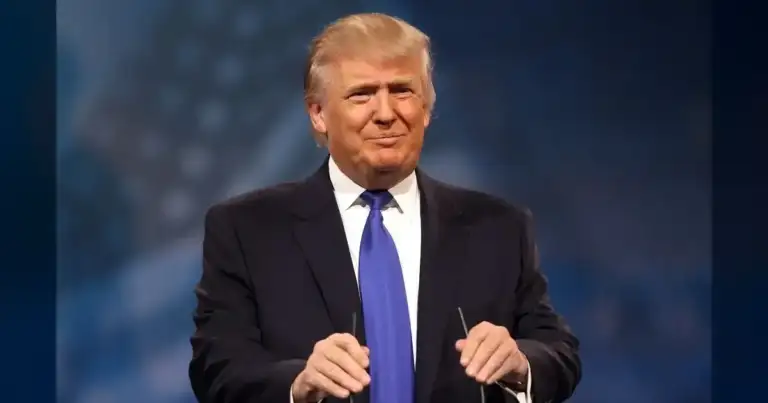
Donald Trump’s post-summit remarks, delivered with his trademark bluntness, accused NATO members of failing to “be there when we need them.” His assertion that “America carries the burden, and it’s time they step up” echoes his longstanding critique of the alliance — that many European countries rely excessively on U.S. military spending and capabilities without pulling their weight. This narrative has been a cornerstone of Trump’s political identity, appealing to nationalist sentiments by positioning the United States as the indispensable leader willing to challenge international establishments.
However, this perspective simplifies the complex reality of NATO’s collective defense mechanisms and ignores significant efforts by European members to increase their contributions. Recent data reveals that NATO members agreed to raise defense spending by an average of 4.2% in 2026, an encouraging development after years of lagging commitments. Furthermore, 15 member states now meet the alliance’s 2% GDP defense spending target, a marked improvement from previous years.
Trump’s rhetoric risks alienating key allies and undermining the credibility the U.S. has painstakingly rebuilt under the current administration. While his critique resonates with segments of the American electorate skeptical of foreign entanglements, it does not fully account for the nuanced diplomatic and military cooperation underway within NATO. More critically, it overlooks the strategic imperative of maintaining a united front amid growing global threats, notably from Russia and China.
Rutte’s Praise: Emphasizing Unity and Leadership
In stark contrast to Trump’s denunciations, Dutch Prime Minister Mark Rutte lauded President Biden’s leadership during the summit. His endorsement emphasizes the continued vitality of the alliance and the importance of U.S. engagement in sustaining NATO’s global standing. Rutte’s comments reflect a pragmatic recognition of the alliance’s evolving challenges and achievements, including enhanced cooperation, synchronized defense policies, and shared commitments to collective security.
Rutte’s perspective underscores that despite internal disagreements and pressures, NATO remains a cornerstone of European and transatlantic security architecture. Yet, his praise also implicitly acknowledges the ongoing domestic and political hurdles NATO members face in meeting defense spending goals and responding swiftly to crises. The alliance’s strength lies not just in military might but in political cohesion — a fragile but essential asset in today’s volatile geopolitical landscape.
Navigating the Political Undercurrents
The discordant messages from Trump and Rutte capture broader political undercurrents shaping NATO’s present and future. For the Biden administration, fostering renewed trust and demonstrating tangible alliance improvements are key to counteracting the skepticism sowed by Trump’s criticisms. While public opinion polls indicate that 56% of Americans support NATO membership, partisan divides pose challenges to sustaining bipartisan consensus on foreign policy.
“The president showed strong leadership, and the alliance is stronger because of it.” — Mark Rutte, Dutch Prime Minister
This statement from Rutte is a clarion call for unity at a time when internal fractures threaten the alliance’s cohesion. It reminds us that the strength of NATO is not measured solely by defense budgets or unilateral power, but by shared commitments to mutual security and diplomatic solidarity.
Conclusion: Beyond the Headlines
Trump’s harsh critique serves as a potent reminder of the tensions that can arise when national interests and collective responsibilities collide. Yet, reducing NATO’s complex realities to a simplistic narrative of burden-sharing obscures the crucial developments and cooperation that underpin the alliance today. Meanwhile, leaders like Mark Rutte who emphasize constructive engagement and shared leadership offer a path forward to navigate contemporary global challenges.
Ultimately, the future of NATO depends not on divisive rhetoric but on sustained, coordinated action — a goal that requires transcending partisan politics and embracing the alliance’s enduring value for peace and security in an increasingly uncertain world.
Source: Google News