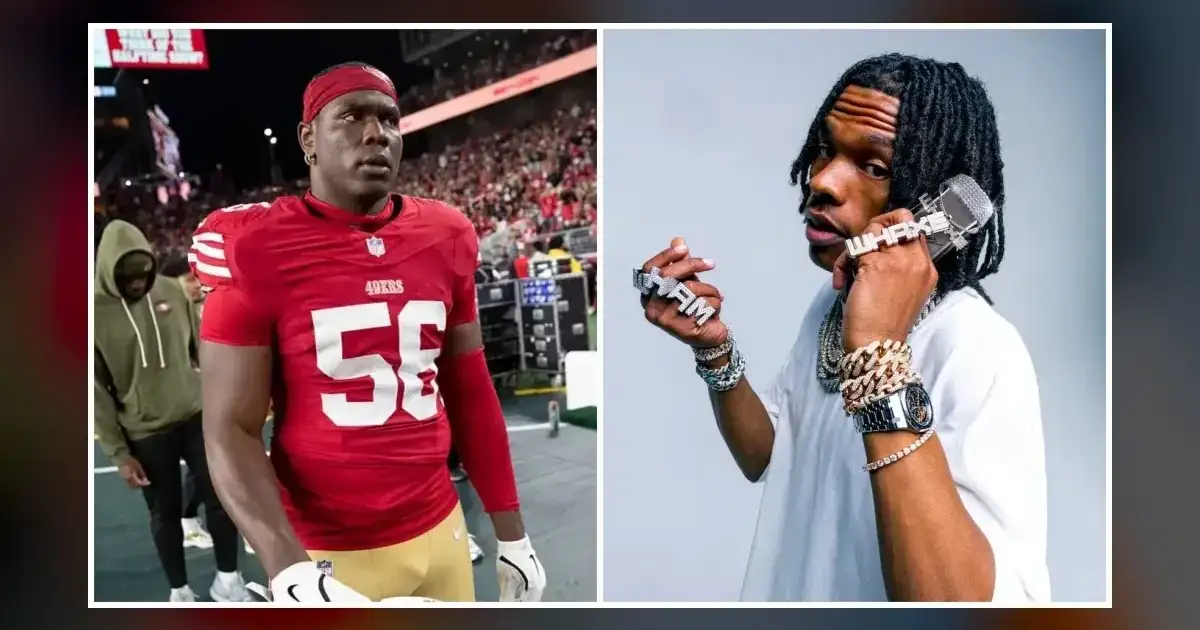

The Alarming Rise of Violence Against Former NFL Players: A Call for Action
In recent years, a distressing pattern has emerged, casting a somber shadow over the lives of those who once thrived under the bright lights of professional sports. The news that a former NFL player was recently shot in the stomach in Los Angeles and rushed to the hospital for emergency surgery is not an isolated incident, but rather part of a disturbing trend involving violence against ex-athletes. This incident serves as a stark reminder of the challenges many retired players face, and it prompts a critical examination of the underlying issues that contribute to their vulnerability.
The Escalating Crisis of Gun Violence Impacting Former Athletes
Gun violence in the United States remains an urgent public health and safety crisis, but its impact on former athletes, particularly those from the NFL, is often overlooked. Cities such as Los Angeles, Chicago, and Atlanta have reported an uptick in violent incidents involving ex-professionals, many of whom struggle to adjust to life outside the sport. These players are sometimes caught in circumstances that expose them to danger, either as unintended victims or, regrettably, as participants in volatile situations.
As the recent Los Angeles shooting vividly illustrates, the risk extends beyond active players. Despite their past glory and fame, many retired athletes find themselves living in environments where violence is a lurking threat. The NFL Players Association and related organizations are increasingly aware of this peril and are expanding outreach efforts aimed at providing support, including mental health services and personal security resources.
Post-Career Challenges: Mental Health and Vulnerability
The journey from the adrenaline-fueled, regimented life of an NFL player to the uncertain terrain of retirement is fraught with challenges that can have profound psychological and social consequences. Numerous studies from late 2025 and early 2026 have shed light on the mental health struggles faced by former players, many dealing with the debilitating effects of chronic traumatic encephalopathy (CTE), depression, and financial instability.
These struggles often place retired athletes in precarious situations—where loneliness, diminished support networks, and unresolved trauma converge, increasing their susceptibility to violence and risky behaviors. The nexus of physical health issues, such as pain and disability from their playing careers, and mental health complications can sometimes lead to tragic outcomes.
Community Initiatives and Policy Responses
Recognizing that prevention must extend beyond the individual, some municipalities have taken proactive steps to shield former athletes from violence and assist their reintegration into society. The City of Atlanta’s pilot program launched in early 2026 offers a blueprint for these efforts, providing counseling, career training, and violence prevention workshops tailored to the unique needs of ex-athletes and emerging sports stars.
Programs like these not only address immediate risks but also foster long-term resilience by equipping former players with skills and support systems necessary for a stable post-career life. However, these initiatives remain limited in scope and funding, underscoring the need for broader, coordinated responses involving sports leagues, local governments, and community organizations.
A Global Context and the Way Forward
While this issue predominantly touches American football, the phenomenon of violence against former athletes resonates globally across various sports disciplines. Former soccer players in regions plagued by social instability have similarly become victims of violent crime, reflecting a universal intersection between athletic careers and societal challenges.
“The recent shooting in Los Angeles is not just a personal tragedy but a societal alarm — one that calls for urgent attention to the welfare of those who have dedicated their prime years to professional sports.”
The path forward demands a multifaceted approach that acknowledges the complex realities faced by former athletes. This includes stronger mental health support systems, comprehensive career transition programs, and community-based violence prevention initiatives. Moreover, it requires a cultural shift within sports institutions to prioritize lifelong well-being over short-term performance.
As fans, communities, and policymakers, we owe it to these individuals to ensure their safety and dignity long after their final game. The recent situation involving an ex-NFL player in Los Angeles should serve as a catalyst — a call to action to confront the growing threats faced by retired athletes and to champion solutions that protect and empower them in their post-sports lives.
Source: Google News