
US Plays Both Sides: Pressures Israel to Pause Lebanon Strikes While Threatening Iran Over Strait of Hormuz
The United States demands Israel halt deadly airstrikes in Lebanon while simultaneously threatening Iran over the Strait of Hormuz. This reckless hypocrisy fans the flames of chaos in an already volatile region.
Washington insists Israel pause its bombing campaign amid a fragile ceasefire, yet draws a hard line against any Iranian interference with the Strait of Hormuz, a critical artery for global oil. Meanwhile, Lebanon’s civilians bear the brunt of the violence. Who’s really in control here? Certainly not the innocent families caught in the crossfire.
The Hard Facts
- Lebanon airstrikes: Israel has launched hundreds of airstrikes in Lebanon’s border regions, killing over 850 people, including many children.
- US pressure: Washington publicly urges Israel to “pause” its strikes to uphold the fragile ceasefire brokered amid escalating violence.
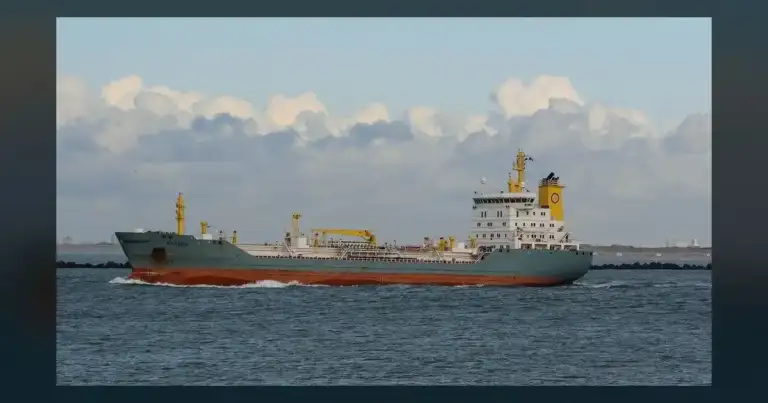
- Iran warning: At the same time, the US threatens Tehran with serious consequences if it disrupts the Strait of Hormuz, which handles about 20% of the world’s petroleum shipments.
- Global stakes: Any blockage or disruption of oil flow through Hormuz could send gas prices soaring past $10 per gallon, crushing American consumers and rattling the global economy.
Hypocrisy in Action: What’s the Real Playbook?
This isn’t a balanced peace effort; it’s a staged performance designed to protect US interests under a veneer of diplomacy. The US plays the “good cop,” telling Israel to cool it, while quietly enabling Tel Aviv’s heavy-handed tactics. Social media users aren’t buying it—one viral thread nailed the truth:
“America’s like that abusive dad telling the kid to stop hitting his brother while arming him with nukes.” — @ResponsibleStatecraft
Why demand Israel pause strikes in Lebanon, where over 850 people have died, while threatening Iran over the Strait of Hormuz? The answer is blunt: protecting Big Oil’s bottom line. Keeping Hormuz unstable keeps crude prices high, padding the profits of ExxonMobil and other energy giants at the expense of everyday Americans.
Meanwhile, Lebanon gets nothing but empty “humanitarian” statements from the EU and UN—organizations that condemn the bombing yet funnel money to actors who perpetuate the conflict. The ceasefire deliberately excludes Lebanon’s central battlefield, giving Israel free rein to bomb. This selective “peace” is a cruel farce.
Consequences of the US Balancing Act
This double standard sabotages any real chance for stability. It fuels regional resentment, destabilizes global oil markets, and risks dragging the US deeper into a proxy war. The message is clear and dangerous: civilian deaths in Lebanon are collateral damage, but any disruption to oil supply is a red line no one may cross.
Under the current administration, now in its second year, this approach has only hardened. The US wants to contain Iran without committing fully to Lebanon’s complex conflict. But ignoring Lebanon’s suffering while flexing muscle in Hormuz is a recipe for disaster, not peace.
What’s Next? A Recipe for Disaster or Diplomacy?
If the US genuinely wanted peace, it would pressure all parties equally—stop enabling Israel’s heavy strikes and engage in honest diplomacy with Iran and Lebanese factions. Instead, America’s stance is posturing designed to score political points ahead of the midterms, not to bring real peace.
You can’t claim to broker peace while turning a blind eye to mass civilian casualties. You cannot threaten war over oil chokepoints while ignoring bombs falling on children. The US must decide if it’s a peace broker or a war profiteer. So far, it’s playing both roles—and innocent lives and global stability are the price.
Will Washington break this vicious cycle or double down until the region explodes? One thing is certain: real peace won’t come from selective pressure or staged ceasefires. It demands honesty, accountability, and equal pressure on all sides. Anything less is just another episode of empire theater with deadly consequences.
“America’s approach to Lebanon and Iran is a cruel farce, enabling violence while posturing for peace.” — @ResponsibleStatecraft
It’s time to call the bluff and demand a diplomatic game that respects lives, not just oil and power.
Want sharp analysis on global conflicts’ impact on daily life? Check out StateEdit’s latest on Middle East energy politics.
Photo: Photo by United Nations Photo on Openverse (flickr) (https://www.flickr.com/photos/35483578@N03/5694068042)
Source: Google News