
Trump’s Chilling Ultimatum to Iran: A Dangerous Escalation on the Brink of Collapse
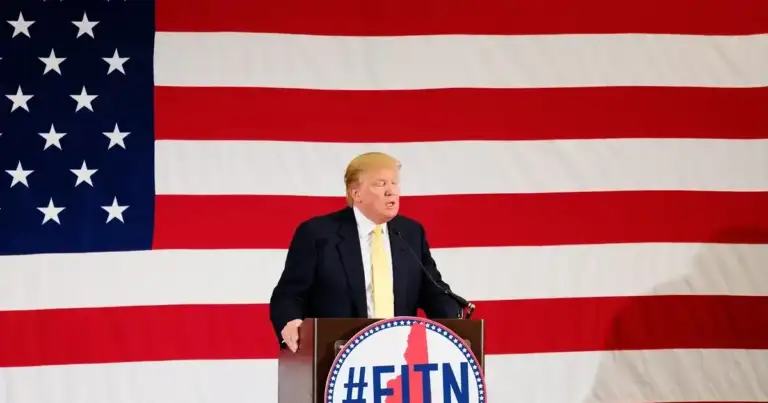
In an era marked by geopolitical volatility and fraught diplomatic negotiations, former President Donald Trump’s recent issuance of a chilling ultimatum to Iran marks a moment of profound concern. As talks with Tehran teeter on the brink of collapse, Trump’s stark demand for an immediate peace deal reverberates as both a political gambit and a dangerous escalation that threatens to dismantle fragile progress in the region.
Ultimatums in Diplomacy: A Double-Edged Sword
Ultimatums in international relations have long been a contentious tool. While they can sometimes galvanize parties towards resolution, more often they exacerbate tensions and shut down dialogue. Trump’s approach—characterized by stark, non-negotiable demands—has consistently skirted the line between assertive leadership and reckless brinkmanship. His latest move against Iran is no exception, deepening fears that the already fragile prospects for peace may collapse entirely.
The context of this ultimatum is critical. Negotiations that have spanned years, involving multiple global stakeholders, aim at curbing Iran’s nuclear ambitions and fostering regional stability. However, Trump’s hardline stance—demanding immediate concessions under threat of renewed sanctions or even military action—risks alienating Tehran and its allies. Such pressure tactics, while politically resonant for some domestic constituencies, have historically proven ineffective in resolving complex international conflicts.
The Broader Implications for Global and Public Health
Though the ultimatum centers on geopolitical security, its ripple effects extend into global public health and policy domains. The intersection of political power, diplomacy, and health outcomes is increasingly evident, particularly in the aftermath of the COVID-19 pandemic. Political ultimatums, such as those issued by Trump and his allies, have influenced public health strategies—especially in the contentious arenas of vaccine mandates and health guidelines. This pattern shows how high-stakes political decisions often prioritize power plays over collaborative problem-solving, with real-world consequences for populations vulnerable to disease and instability.
Recent months have unveiled a troubling trend: political figures leveraging ultimatums to shape health policy under partisan pressures. For example, Republican-led coalitions have challenged mask mandates and vaccination campaigns, echoing Trump’s earlier pandemic-era rhetoric. Such polarization hampers effective health responses, just as Trump’s ultimatum threatens to derail diplomatic efforts that, if successful, could stabilize a region plagued by turmoil and indirectly improve health security worldwide.
Trump’s Enduring Influence and the Price of Polarization
Beyond the immediate Iran talks, Trump’s enduring influence continues to shape public discourse on medical innovation and regulatory policy. His political base’s pressure campaigns on agencies like the FDA and CDC for rapid drug approvals—sometimes sidelining rigorous scientific evaluation—mirror the high-pressure tactics seen in his foreign policy approach. This modus operandi cultivates an environment where ultimatums replace nuanced negotiation, whether on nuclear agreements or health regulations.
The danger lies not merely in the ultimatum itself, but in the precedent it sets: that complex, multifaceted challenges can be resolved through forceful demands alone. This philosophy undermines the painstaking work of diplomacy, scientific inquiry, and coalition-building essential for sustainable solutions.
Conclusion: Navigating Beyond Ultimatums
As the Trump administration’s shadow looms over renewed Iran negotiations, policymakers and the international community must resist the allure of ultimatums as a shortcut to peace. Constructive engagement, patience, and mutual respect remain the bedrock of lasting conflict resolution. The stakes—regional stability, global health security, and international norms—are simply too high to gamble on the brinkmanship of one man’s political strategy.
“Peace is not the absence of conflict, but the ability to cope with it.” – Mahatma Gandhi
In the end, diplomatic success requires more than chilling ultimatums; it demands courage to engage, compromise, and prioritize humanity’s shared future over political theatrics. The world can ill afford anything less.
Source: Google News