
The military intervention initiated by President Trump against Iran, often termed the “Trump war Iran,” was ostensibly launched to curb Tehran’s influence and foster regional stability. Yet, the unfolding reality presents a stark, almost perverse, outcome: an emboldened hardline regime, a reeling global economy, and international alliances fractured to an unprecedented degree. This is not merely a reshaping of the Middle East; it is a profound and costly reckoning for American foreign policy, begging the question: at what price victory, if the adversary emerges stronger?
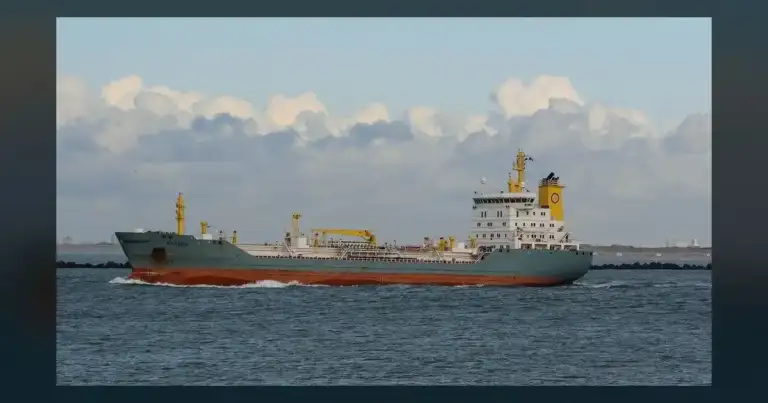
The military strikes against Iran commenced on February 28, 2026, with the United States, alongside Israel, launching these actions. The Strait of Hormuz quickly became a major flashpoint, a critical artery for global commerce. While the stated goals of the intervention, often vague, have been thoroughly undermined by subsequent events, the detrimental outcomes are now painfully clear and widely felt.

Tehran’s Power Play: An Extremist Son Takes Control
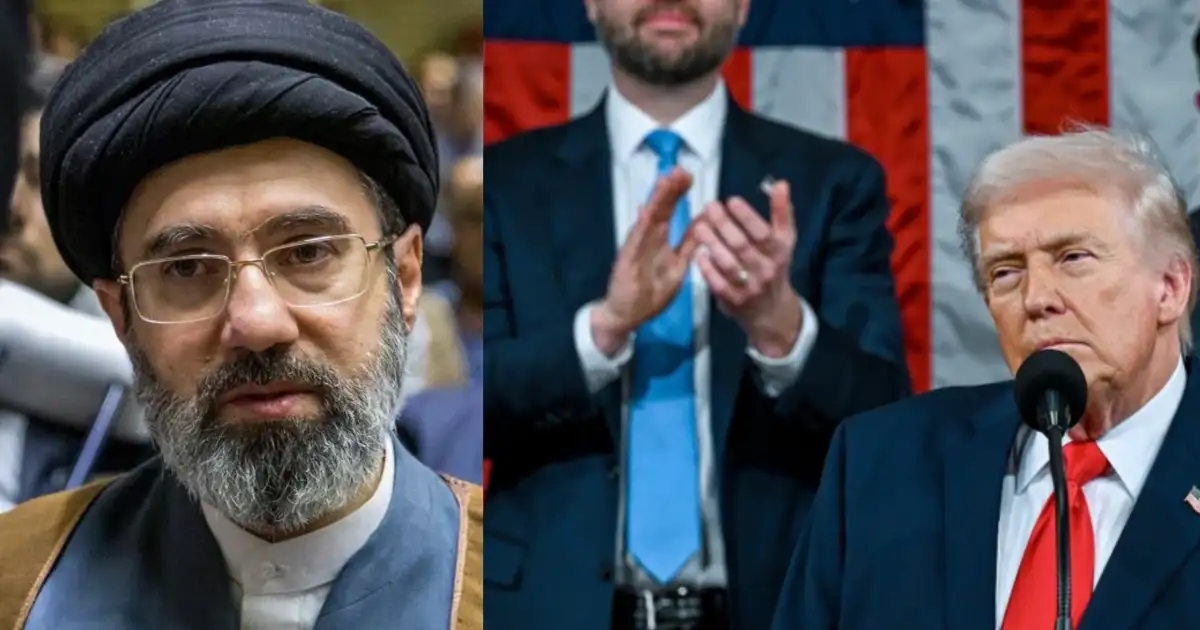
The most immediate and concerning geopolitical shift inside Iran is the dramatic change in leadership. Ayatollah Ali Khamenei is no longer the Supreme Leader, having been replaced by his son, Mojtaba Khamenei. This development, while anticipated by some, was nonetheless a shocking consolidation of power within the ruling family.
Mojtaba Khamenei, long shrouded in power, is known for his extreme ideological convictions and deep anti-Western posture. His ascension has not softened the regime or paved the way for internal reform, contrary to some strategists’ optimistic projections.
Instead, it has demonstrably emboldened Tehran’s hardline factions, consolidating power and allowing the new leadership to double down on its confrontational stance. This entails an intensified crackdown on dissent, a more aggressive posture towards regional proxies, and a renewed commitment to its controversial nuclear program.
The hope that external pressure might induce moderation has been thoroughly disproven; instead, it has catalyzed a more radical, less predictable Iran, pushing regional tensions to perilous heights.
“The idea that removing the top leadership would soften the regime was a profound miscalculation,” stated Dr. Lena Khan, a respected Middle East scholar. “Instead, it solidified power in the hands of an even more radical faction, making future negotiations incredibly difficult.”
This new, more aggressive Iran now confronts the international community, its actions poised to inevitably further destabilize an already fragile region. This outcome raises serious, fundamental questions about the entire strategic rationale behind the intervention.
Economic Chaos: Americans Pay the Price
The “Trump war Iran” has caused immediate and profound economic damage, especially for American households. Gas prices, a visible barometer of consumer pain, have surged to an alarming $6 per gallon in numerous states, burdening working families and small businesses.
This dramatic increase directly results from sustained disruption in the Strait of Hormuz, a vital chokepoint for global oil supply.
Beyond the pump, the conflict sent tremors through global markets, exacerbating inflationary pressures and disrupting fragile supply chains. Businesses grapple with escalating operational costs, and consumers face a pervasive squeeze on their disposable income, diminishing purchasing power.
Democrat strategist Joel Payne captured the raw public mood perfectly on CBS:
“This ain’t COVID or God—it’s Trump’s dumbass choices torching our wallets.”
Polls reveal that over 60% of Americans believe the President has “gone way too far,” directly attributing tangible economic pain to his foreign policy decisions. The promise of economic prosperity, once a cornerstone of the administration’s platform, appears to have evaporated, replaced by the crushing burden of an expensive and seemingly futile conflict.
NATO Torn Apart: A Frayed Alliance
The “Trump war Iran” has caused equally devastating diplomatic fallout, profoundly fracturing the NATO alliance. Key European allies like Germany and France vehemently disapproved of the United States’ unilateral military actions, seeing them as bypassing multilateral frameworks and disregarding collective security.
This approach caused deep rifts and fueled profound concerns among European leaders about a broader regional conflagration, a new refugee crisis, and eroding international law. An alliance built on shared democratic values now finds itself profoundly strained, its future cast into doubt.
This diplomatic isolation of the United States on the global stage is not merely a setback; it is a dangerous geopolitical vulnerability. A robust and unified NATO is indispensable for maintaining global stability and deterring aggression; its weakening, therefore, represents an undeniable strategic victory for revisionist powers like Russia and China, and a destabilizing boon for non-state actors, rendering the international landscape demonstrably more perilous.
Public Backlash: A “Dumpster Fire” of Rage
Domestically, public backlash against the “Trump war Iran” has been furious, igniting a “dumpster fire of bipartisan rage” across social media platforms. Many brand the conflict “peak Trump clownery,” a cynical exercise in political theater with painful consequences.
Liberal critics are vocal, citing Trump’s promises to eschew “forever wars,” only to see Iran bombed while he “chills at Mar-a-Lago.” This perceived hypocrisy, rising economic costs, and futile outcomes fuel widespread accusations of betrayal.
Strikingly, even some of President Trump’s most ardent supporters have publicly broken ranks. Representative Marjorie Taylor Greene openly blasted his actions as “insane,” asserting they were “not making America great again.”
Her criticism followed Trump’s inflammatory Truth Social posts, where he threatened Iran with “hell” over the Strait of Hormuz. This further escalated tensions and fueled palpable frustration.
Protests outside the White House, even after a ceasefire, underscored reluctant relief mixed with anger over Iran’s “victory” claims. Subsequent failed talks in Islamabad only amplified public rants about an “escalation addiction,” showing profound weariness for endless conflict.
The True Cost of Intervention
The “Trump war Iran,” launched to curb Iranian influence and foster a compliant regime, has demonstrably failed its strategic aims. Instead, reality presents a stark, costly paradox.
Iranian leadership is more extreme and entrenched, its regional power undiminished, and the global economy reels from the conflict’s ripple effects. The United States paid a steep price, seeing its global standing diminish, alliances tested, and citizens bearing soaring inflation.
The path forward is fraught with peril. De-escalation appears increasingly difficult with an emboldened, extremist regime now firmly in power.
The extensive damage inflicted upon international relations will undoubtedly require years of painstaking diplomatic effort to repair. This conflict serves as a searing lesson in the unpredictable, often counterproductive nature of military intervention.
Unintended consequences have not merely outweighed initial objectives; they have fundamentally reshaped the geopolitical landscape for the worse. The world, after this war, is not only less stable but profoundly more dangerous, demanding a critical re-evaluation of American foreign policy.
Source: Google News