

Skepticism Clouds the Narrative
Despite its compelling nature, this specific story faces considerable public skepticism. Online forums and discussions question the narrative’s overall authenticity. Many observers point to a significant lack of verifiable details. This kind of “feel-good” story often draws intense scrutiny. When specific names and details are scarce, the public tends to doubt its true origins. Why are we hearing this story now? What is its true purpose?Unpacking the Unverified Claims
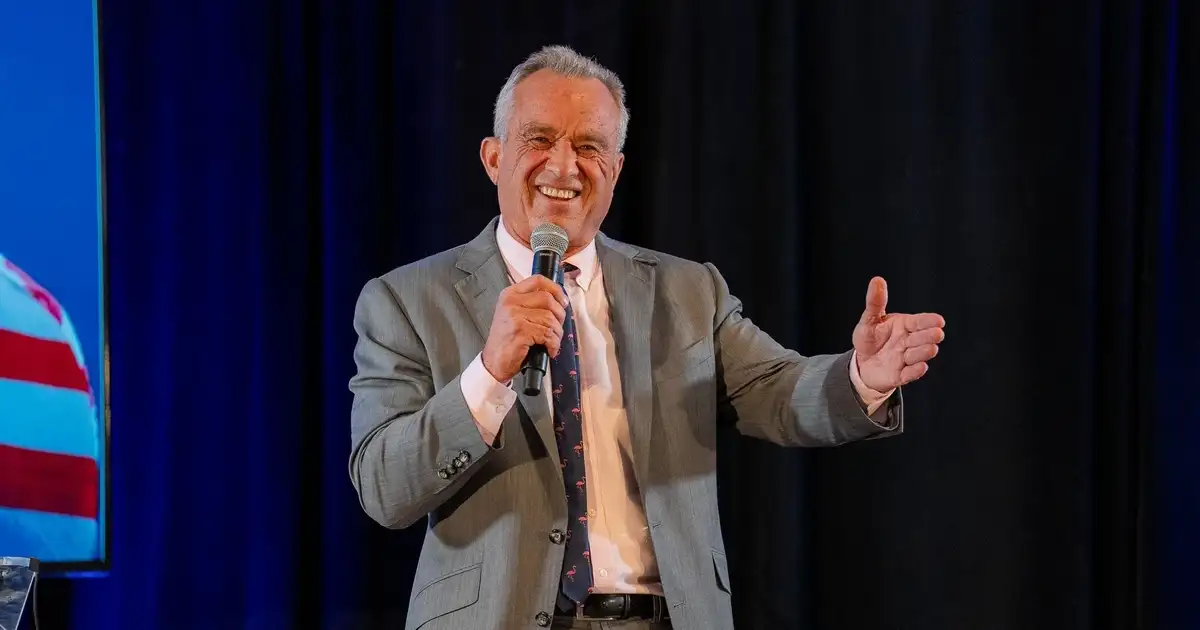
The public is asking tough questions about this narrative. Details about the artist’s name are conspicuously absent. There are no public records of these “six-figure” sales. Furthermore, the “Hollywood stars” remain largely unnamed. This lack of concrete evidence is a critical point of contention. Without specific facts, the story feels more like a carefully crafted tale. It loses credibility when details cannot be independently confirmed. This isn’t about denying someone’s past struggles. It is about the specific presentation of a story.“The public is increasingly wary of narratives that feel too perfect, especially when tied to celebrity endorsement,” noted one analyst in a recent online discussion. “Transparency is key for any story to truly resonate.”The connection to Robert F. Kennedy Jr. also raises eyebrows. Kennedy is a prominent public figure. Any story involving him often gets extra attention. This can sometimes lead to speculation about underlying motivations.
The Role of Emotional Narratives
Emotional stories, like that of a struggling Olympian, hold significant power. They can evoke empathy and admiration. However, when such narratives lack concrete backing, they can backfire. The public becomes cynical. They wonder if they are being manipulated. This particular story feels designed to pull on heartstrings. It presents a clear journey from despair to artistic triumph. Such an arc is often used in media to generate specific reactions. It can create a sense of shared experience, even if the details are vague. This strategy works well for engagement. The question becomes: is this a genuine human interest piece? Or is it something else? The public’s reaction suggests the latter. Many see it as a manufactured narrative. It seems engineered to generate clicks and discussion.Connecting the Dots: Influence and Perception
The ownership by Robert F. Kennedy Jr. and other celebrities is central to this story. It adds a layer of prestige and cultural cachet. This connection can influence public perception. It can make a story seem more important or legitimate. However, this celebrity endorsement also invites deeper scrutiny. People wonder what a public figure gains from such an association. Does it lend an air of authenticity to the art? Or does it simply create a positive association for the celebrity? These are important considerations for any public relations strategy. The narrative could also be perceived as an attempt to “launder sympathy.” By linking a tragic past to a current success, it frames the story in a positive light. This can subtly shift public opinion. It makes the associated individuals seem more cultured or compassionate.The Public’s Demand for Verifiability
In 2026, the public is more discerning than ever. They have seen countless stories emerge and then collapse. This has created a demand for verifiable facts. Simple claims, even compelling ones, are no longer enough. Journalists and analysts must present stories with clear evidence. They must cite specific sources. Without this, even the most poignant tales lose their impact. They become vulnerable to accusations of fabrication. This story, with its vague details, struggles to meet that standard. The absence of an artist’s name is especially problematic. How can one verify the Olympic connection without it? How can “six-figure” sales be confirmed without any record? These are basic questions that remain unanswered. This lack of transparency fuels the skepticism.Implications for Public Discourse
The public’s skeptical reaction to this story has broader implications. It shows a growing distrust of unverified narratives. People are tired of stories that prioritize emotional impact over factual accuracy. They want substance. This trend impacts how news is consumed and shared. Stories that feel manufactured quickly lose traction. They are often dismissed as “vaporware” or “grift.” This makes it harder for genuine human interest stories to stand out. It also makes it harder to distinguish truth from artifice. The focus on Robert F. Kennedy Jr. also highlights a political dimension. Any story involving public figures can be seen through a political lens. Observers question if the narrative serves a larger agenda. They ask if it aims to shape opinions about Kennedy or his associates. The story of the Olympian and his bird carvings is a stark reminder. Compelling narratives need factual anchors to avoid public doubt. The public expects more than just a good story; they demand proof.Photo: Photo by Democratizemedia on Openverse (wikimedia) (https://commons.wikimedia.org/w/index.php?curid=148618385)
Source: Google News