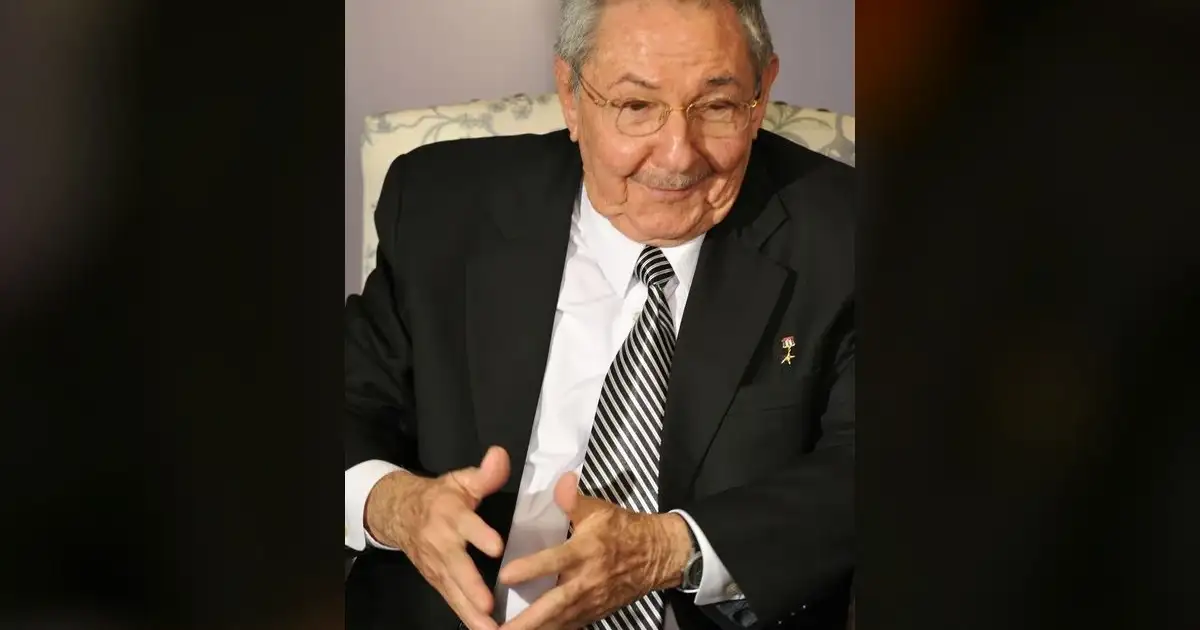

US officials are reportedly moving to indict former Cuban President Raul Castro. This isn’t just a legal maneuver; it’s a political football thrown deep into the end zone.
The push to indict Castro stems from a long-standing grievance. It specifically targets his alleged role in the 1996 shootdown of two civilian planes. These planes were operated by the Cuban exile group Brothers to the Rescue. Four men died in that horrific incident.

Sources indicate the Department of Justice is gearing up for this high-stakes legal play. A grand jury in Washington D.C. is reportedly involved. This move could reignite U.S.-Cuba tensions and stir up old wounds in the Cuban-American community.
The Miami Playbook: Old Grievances, New Headlines
For those watching the US-Cuba game, this isn’t a new strategy. It’s the classic Miami playbook, dusted off and run again. Many view this as “obvious Miami theater,” designed for a specific audience. South Florida politicians often perform toughness for the Cuban-American vote. This indictment push fits that pattern perfectly.
Critics are quick to point out the timing. They see it as a familiar ritual. Every few years, certain lawmakers grab the megaphone. They issue righteous demands. They act like the 1996 tragedy happened yesterday. It feels less about actual legal progress and more about brand maintenance.
“This isn’t about justice finally served. It’s about keeping the base fired up. It’s a political performance, pure and simple, designed to look strong without actually changing anything meaningful on the ground.”
This move generates headlines. It signals resolve to a key demographic. But does it move the ball down the field towards real change? Or is it just another symbolic gesture?
Distraction or Due Process? The Timing Question
The timing of this indictment push raises serious questions. Many see it as a “political distraction package.” It diverts attention from other pressing issues. Think immigration, inflation, or broader policy contradictions. These are all tougher battles to fight in the public square.
There’s a palpable absurdity in the air. U.S. officials are reportedly seeking to indict an aging former leader. Yet, rumors also suggest backchannel contacts with his family. That kind of contradiction is where the “performance” accusation truly lands. It undermines any claim of genuine legal pursuit.
The public discourse is rife with skepticism. People are asking why now. If this was truly about accountability, why the decades-long delay? Why does it arrive as a “press-friendly crusade”? It feels less like justice and more like “symbolic revenge cosplay.”
This is not a sudden, urgent legal breakthrough. It’s a calculated political maneuver. It aims to score points with a specific constituency. The optics are clear, even if the legal path remains murky.
The Long Shadow of 1996: Justice Delayed or Denied?
The 1996 shootdown was a horrific act. It caused immense pain and suffering. The desire for accountability is understandable. However, public reaction heavily leans towards “too late.” Raul Castro is now 93 years old. The practicalities of a prosecution seem incredibly remote.
Many perceive this as “selective outrage.” The focus on a decades-old event, while current geopolitical issues simmer, strikes some as disingenuous. It’s easy to look tough on a long-gone dictator. It’s harder to tackle the complex, present-day challenges in US-Cuba relations.
The legal hurdles alone are immense. Securing an indictment is one thing. Actually extraditing and prosecuting a former head of state is another entirely. Especially one who has been out of power for years. This makes the entire effort feel more theatrical than tangible.
This isn’t just about Raul Castro. It’s about the enduring power of exile politics. It highlights the deep divisions within the Cuban-American community. And it shows how past grievances can still dictate present-day political moves.
The Gridiron Gus Verdict
This move to indict Raul Castro is a high-stakes play, designed more for the highlight reel than for actual courtroom drama. It’s about sending a message aimed squarely at voters in a crucial swing state. This political Hail Mary pass hopes to rally the base, but don’t expect a touchdown in court.
The reality is stark. This is likely another round of political showmanship. It serves the interests of those who profit from perpetual conflict. True accountability would have looked very different, decades ago. What we’re seeing now is a familiar script, with familiar actors, playing to a familiar crowd. The game is the same, just with slightly different lighting.
Source: Google News