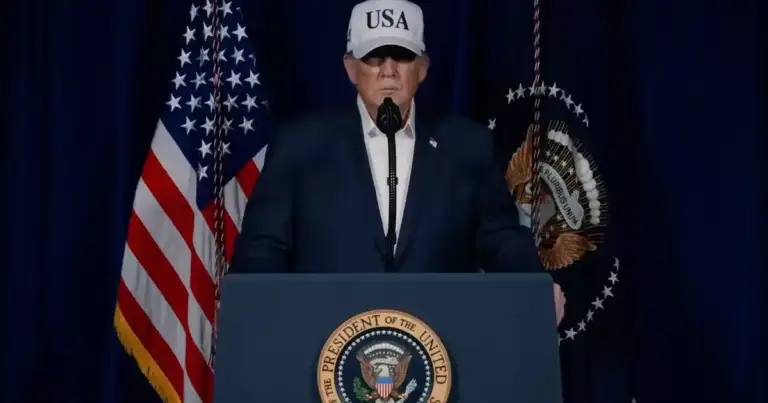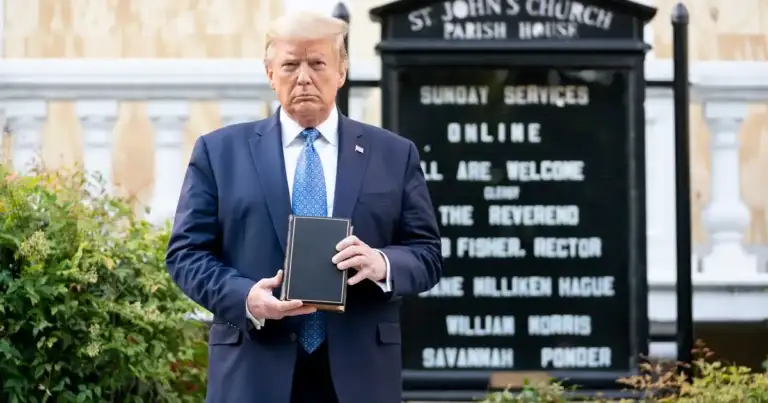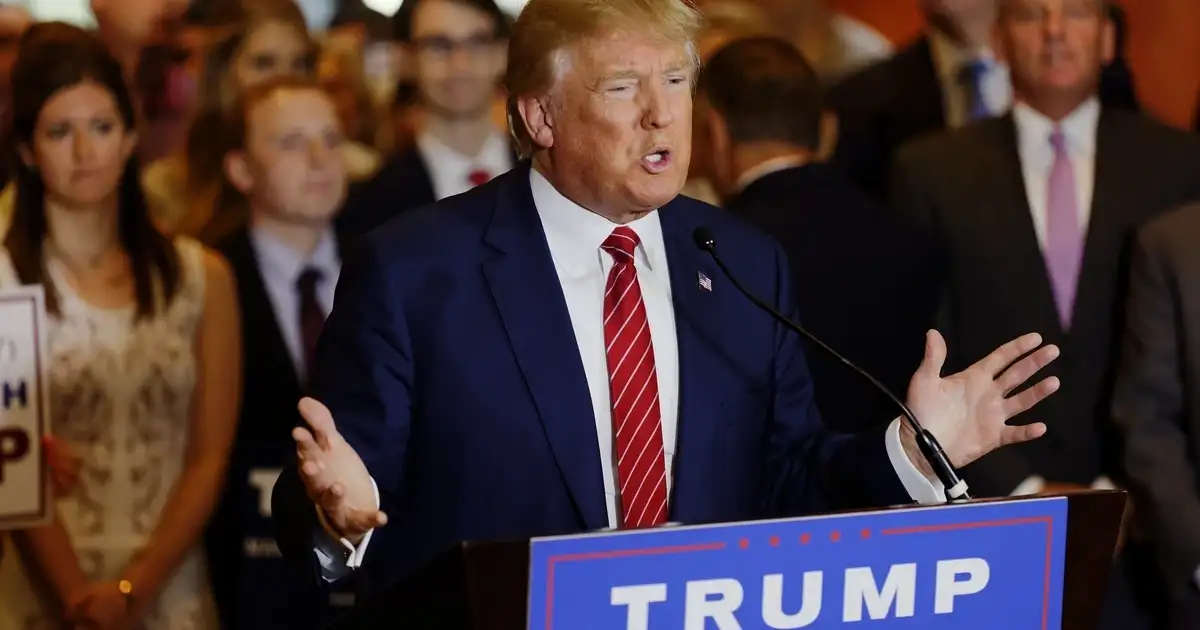

The whispers from Donald Trump’s inner circle have grown into a roar, revealing an audacious plan: a staggering 250 pardons to be unleashed on America’s birthday, July 4th, 2026. This isn’t merely an act of executive clemency. It is a brazen political maneuver, a calculated power grab designed to fundamentally reshape narratives, rewrite history, and cement loyalty.
Within Trump’s advisory teams, discussions for this mass pardon are intense and urgent. Sources privy to these high-stakes deliberations say the explicit goal is to “clear the decks” for “political prisoners.” This group predominantly comprises individuals involved in the tumultuous January 6th Capitol events.

The precise figure of 250 has been floated as the target for this Independence Day spectacle. This number has sent shivers down the spines of some of his closest confidantes. President Trump reportedly shows keen interest, viewing it as a decisive fulfillment of campaign promises.
However, a vocal faction of his advisors are urging extreme caution. They fear profound and potentially irreversible political fallout.
The Political Calculus: Masterstroke or Self-Inflicted Wound?
This move is not merely a calculated gamble; it is a high-stakes bet on the soul of the Republican Party and the future of American justice. Proponents within Trump’s inner sanctum champion it as a powerful, defiant display of executive authority. They argue it fulfills his unwavering promises to a loyal base.
This base feels increasingly targeted and maligned by what they perceive as a weaponized justice system. For staunch supporters, such an action would electrify core voters. It would cement his image as the uncompromising champion of those he considers victims of political persecution.
It’s a bold statement, undeniably, a declaration of war on the established order. However, it is one fraught with massive, perhaps catastrophic, risks.
Yet, alarm bells ringing within the campaign are a cacophony of genuine fear. Insiders dread a political backlash so severe it could eclipse any potential gains. The optics, they warn, could be utterly disastrous.
It would paint the President as a man willing to shred the norms of governance. Such a broad, sweeping action, targeting insurrectionists, would be widely interpreted as a cynical subversion of justice. It is a direct challenge to the rule of law itself.
This threatens to alienate not just moderate voters, but also principled conservatives who hold judicial integrity sacrosanct. Legal experts are already scrutinizing every angle. They prepare for the inevitable constitutional and ethical challenges such a move would unleash.
Critics will seize upon this as irrefutable proof of a corrupted system. They will frame it unequivocally as rewarding political loyalty above any semblance of justice. It could obstruct ongoing investigations, granting impunity to individuals implicated in serious federal crimes.
This isn’t just about optics; it’s about the erosion of public trust in the justice system. It sets a profoundly dangerous precedent that could haunt future administrations. It could fundamentally warp the delicate balance of power.
The presidential pardon, a sacred instrument of mercy, was never intended to be a prop in political theater.
Echoes of History, But With a Twist
While the sheer scale of the proposed July 4th clemency is breathtaking, mass pardons are not entirely unprecedented. President Andrew Johnson issued a blanket amnesty to former Confederates after the Civil War. This controversial act aimed at national reconciliation, but met fierce resistance.
Decades later, President Jimmy Carter pardoned hundreds of thousands of Vietnam War draft dodgers. This move sought national healing and recognized the conflict’s moral complexities. These historical acts shared a crucial commonality.
They were tied to specific, broadly recognized historical conflicts. They aimed to address wide categories of offenses, often to unify a fractured nation. President Trump’s proposed action operates on an entirely different, far more contentious plane.
This plan brazenly targets individuals stemming from a domestic political event: the January 6th Capitol attack. This is an unprecedented and highly incendiary application of presidential power. It’s not about reconciliation after a war.
Instead, it is about legitimizing actions widely condemned as an assault on democracy. During his previous term, President Trump already established a clear pattern. He issued 237 pardons and commutations.
Many of these, like the pardon of Roger Stone or former Sheriff Joe Arpaio, were seen as rewards for loyalty. They were acts of defiance against perceived political enemies. This set the stage for the current proposal.
The envisioned 250 pardons would be a massive one-time batch. It would represent a single-day clemency spree. This rivals or exceeds the total pardons issued by entire presidencies.
Consider the scale: President George H.W. Bush issued a modest 74 pardons over his four years. President Bill Clinton issued 395, but faced immense scrutiny for controversial last-minute pardons. These included financier Marc Rich, drawing accusations of corruption.
Yet, even Clinton’s most criticized actions pale in comparison to this potential impact. A single-day, politically charged pardon wave is unprecedented. The most famous single pardon remains President Gerald Ford’s controversial decision to pardon Richard Nixon.
That move, intended to heal, sparked national outrage and cost Ford dearly. This new plan risks similar, if not exponentially greater, public fury. It comes without the pretense of national healing, promising only deeper division.
The Price Tag for Justice and Accountability
Why should ordinary Americans care deeply about this? The presidential pardon power is a fundamental, almost sacred, component of our justice system. It is designed to temper justice with mercy, offering a final recourse when the system has erred or rehabilitation is clear.
It was never intended to be a weaponized tool serving naked political ends. When wielded on a mass scale for overtly political reasons, especially after an attack on the Capitol, it shatters faith in fairness and accountability. It undermines the ideals of equal justice under the law.
It doesn’t just challenge the rule of law; it actively undermines its foundational principles. A large-scale pardon sends a chilling signal of deep distrust in America’s legal processes. It is an outright rejection of judicial outcomes.
It would be widely, and correctly, interpreted as a brazen attempt to rewrite history. It would whitewash the gravity of the January 6th events. It would absolve those who committed acts against their own government, effectively declaring their actions justifiable.
This proposal raises fundamental, existential questions about American democracy. What becomes of accountability for political violence when a president can erase consequences? Can presidential power truly circumvent established judicial outcomes?
Can it nullify the work of prosecutors, juries, and judges? Under this audacious plan, the answer appears to be a resounding, and terrifying, ‘yes.’
Online, the reaction is already a veritable “shitstorm of outrage.” This digital firestorm shows no signs of abating. Left-leaning users label it “peak authoritarian grift,” a cynical manipulation of power.
Groups like The Lincoln Project have unleashed their condemnation, blasting it as:
They accuse the administration of attempting to launder “Jan. 6 rioters, Epstein-adjacent creeps, and loyalist felons.” This would happen through the sacred mechanism of presidential clemency.corruption cosplaying as patriotism.
Some commentators, with dark wit, quip this mass pardon is a grotesque sequel to Trump’s 91 indictments. It projects his legal woes onto his loyalists. Crucially, this isn’t just partisan outrage.
Even some right-wingers have privately (and publicly) dismissed it as “cringe optics.” They recognize the profound reputational damage it could inflict. This bipartisan discomfort signals severe, widespread, and enduring political fallout.
Let’s be clear: this isn’t merely about granting clemency to a few dozen individuals. It is about the very foundation
Source: Google News