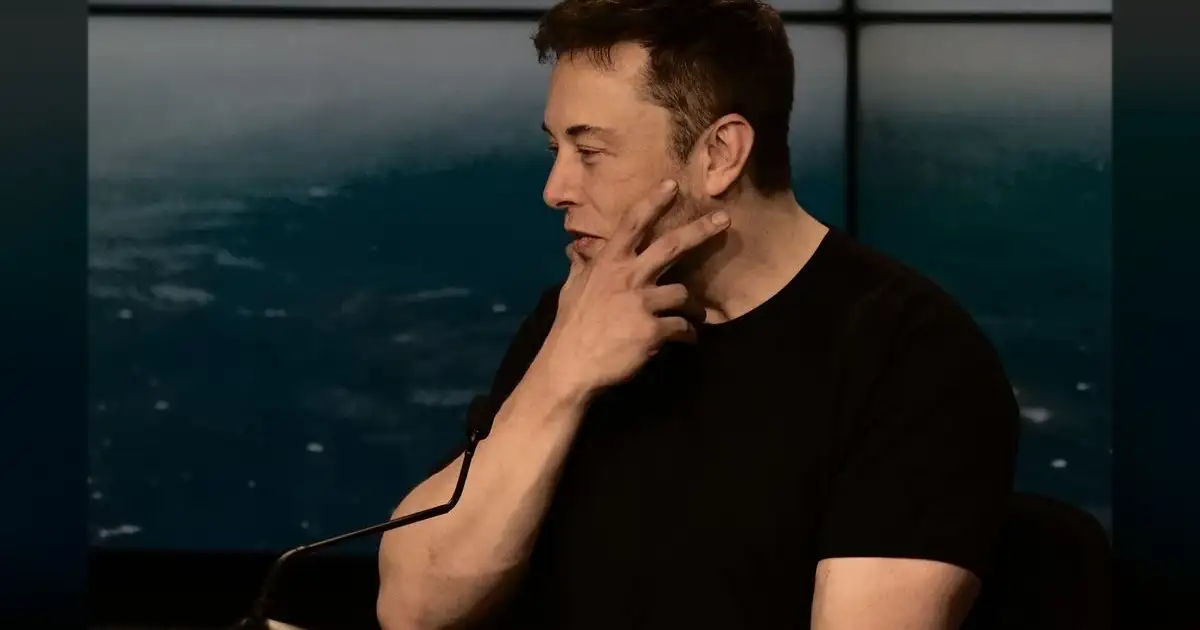

Elon Musk, the self-appointed arbiter of culture and common sense, has once again dragged a classic into the muddy waters of his manufactured outrage machine. This time, Christopher Nolan’s visionary casting for an upcoming adaptation of The Odyssey is the target, not because of artistic merit, but because it provides fresh kindling for a predictable, cynical culture war.
The saga began on May 14, 2026, when major entertainment trades like Variety and The Hollywood Reporter confirmed Nolan’s advanced discussions for a new cinematic epic. The subsequent announcements of Lupita N’yongo and Elliot Page joining the cast immediately triggered the expected digital firestorm. This isn’t a genuine debate about artistic interpretation; it is a meticulously engineered controversy, designed for algorithmic traction and the reinforcement of a narrow, grievance-driven worldview.

Musk’s Outrage Machine: A Predictable Playbook
Musk, ever the provocateur, wasted no time amplifying the outcry. His platform, X, became the central battleground for a narrative as old as it is tired: Hollywood is “race-swapping” and “identity-casting” beloved stories.
These claims are supposedly at the expense of “tradition” and “historical accuracy.” This is not a new playbook, but it consistently finds an eager, agitated audience.
The “anti-woke” crowd, ever vigilant for perceived slights, piled on with familiar accusations. Nolan, they claimed, was not crafting a film but a “syllabus for elite-progressive approval.”
The subtext was clear: studios “hate white men” and are actively “replacing” traditional narratives with a forced, activist agenda. Elliot Page’s casting, as an openly trans actor, became an immediate flashpoint.
This was framed not as a creative decision but as a deliberate “provocation” against their perceived cultural norms. This entire spectacle is performance art, a carefully orchestrated display by self-appointed classics experts feigning concern over “historical accuracy” in a mythological poem. It is, unequivocally, pure algorithm bait.
Musk excels at transforming a movie he hasn’t even seen into a cultural referendum. His objective is never thoughtful commentary or genuine critique. It is to generate outrage, cement his brand as the ultimate contrarian voice, and, crucially, to keep his platform’s engagement numbers soaring. The more vitriol, the better.
The Reality of Adaptation: Myth and Modernity
The pushback against this manufactured outrage is not merely clear; it is a fundamental truth of storytelling.
The Odyssey is not a historical document or a documentary. It is an ancient epic poem, a work of myth and imagination.
It has been adapted, reinterpreted, and reimagined across countless cultures and eras for millennia. To demand rigid “accuracy” for a story featuring gods, monsters, and magic is to fundamentally misunderstand the nature of myth itself.
The selective concern for “accuracy” only emerges under specific, convenient conditions: when non-white or trans actors are cast. Where was the outcry for historical accuracy when overwhelmingly white casts portrayed ancient Egyptians, Romans, or biblical figures? This glaring hypocrisy exposes the true motivations behind the complaints, revealing them as thinly veiled bigotry rather than genuine artistic concern. As Dr. Eleanor Vance, a cultural critic, recently observed in The Guardian:
“To weaponize ‘historical accuracy’ against diverse casting in mythological tales is to betray a profound ignorance of both history and myth. It’s not about fidelity to the source; it’s about policing who gets to inhabit these stories in the public imagination.”
This controversy feels entirely manufactured, erupting with predictable fury even before filming began.
It is screenshot politics at its most cynical, designed to provoke identity panic. It does not engage in any meaningful discussion of artistic merit.
Nolan is a celebrated filmmaker, a proven visionary. His interpretation of an epic like The Odyssey deserves to be judged on its final merits, not pre-emptively attacked from a place of ideological grievance and performative outrage.
The Cynical Playbook: Profiting from Division
The wider public reaction is largely one of weary exhaustion. People recognize this pattern: the predictable outrage cycles, the endless quote-tweets, the performative identity panic, all culminating in another day of manufactured drama. This isn’t about protecting classic literature; it’s about leveraging cultural touchstones for attention and reinforcing a specific, grievance-driven worldview that benefits those who profit from division.
Musk, among others, understands this dynamic perfectly. He knows precisely how to tap into existing anxieties and amplify them into a digital firestorm. The casting of Lupita N’yongo and Elliot Page simply provided the latest kindling for a pre-existing ideological bonfire. For decades, Hollywood faced legitimate criticism for its glaring lack of diversity. Now, when it makes earnest, inclusive casting choices, it faces a different, equally virulent backlash – a backlash that invariably originates from the very same predictable corners.
The insidious goal here is to weaponize cultural discourse, to transform every artistic decision into a political statement.
This stifles creativity, discourages innovation, and alienates vast segments of the audience. They simply want to engage with art without the constant ideological skirmishes.
Genuine criticism of a film’s artistic direction or narrative choices is valid and necessary. However, pre-emptive attacks based solely on an actor’s identity are not criticism; they are a distraction, serving a different, far more cynical agenda entirely.
The True Motive: Power, Influence, and Noise
Let’s be blunt about the real motive here. This “woke war” is not about Homer, nor is it about cinematic integrity. It is about power and influence in the online sphere. It generates engagement, boosts profiles, and strengthens the perception of certain figures as courageous truth-tellers battling an imaginary “woke” tide. It is a performance designed to consolidate cultural authority among a specific demographic.
Nolan’s choices should be judged on the final product, on the strength of his vision and the performances he elicits. They should not be judged on the identities of his cast members.
To argue otherwise is disingenuous, a cynical manipulation of public sentiment.
This constant drumbeat of cultural grievance is not just tiresome; it actively detracts from actual societal issues. It turns entertainment into another front in an endless, manufactured conflict.
The fact that this controversy erupted immediately, with such ferocity, is telling. It highlights a readiness to condemn without context, an eagerness to join the outrage mob, and a profound disinterest in the art itself.
Musk’s role in stoking this fire is undeniable. He uses his massive platform to amplify these divisive narratives, not as an act of leadership or genuine concern, but as calculated showmanship. The true cost is a further polarization of public discourse, making genuine dialogue impossible and replacing thoughtful critique with knee-jerk condemnation. This is the predictable, corrosive outcome of such tactics.
Enough is Enough: Demand More
The cycle needs to end. Viewers deserve more from their cultural commentators, and certainly more from their tech billionaires. We deserve substance, not manufactured outrage. We deserve discussion, not ideological posturing.
The art should speak for itself. The director’s vision, especially one as acclaimed as Nolan’s, should be given a chance to unfold. Instead, we are treated to another round of pre-emptive, bad-faith attacks that serve only to deepen our collective cynicism. This is the sad reality of our current media landscape, where engagement trumps integrity and controversy is currency.
This isn’t a culture war; it’s a culture distraction. It keeps people focused on trivialities while real issues fade into the background, all to the benefit of those who thrive on chaos. Elon Musk knows this game well. It’s high time we collectively refuse to play it.
Source: Google News