

Bari Weiss’s Unofficial Grip on CBS News?
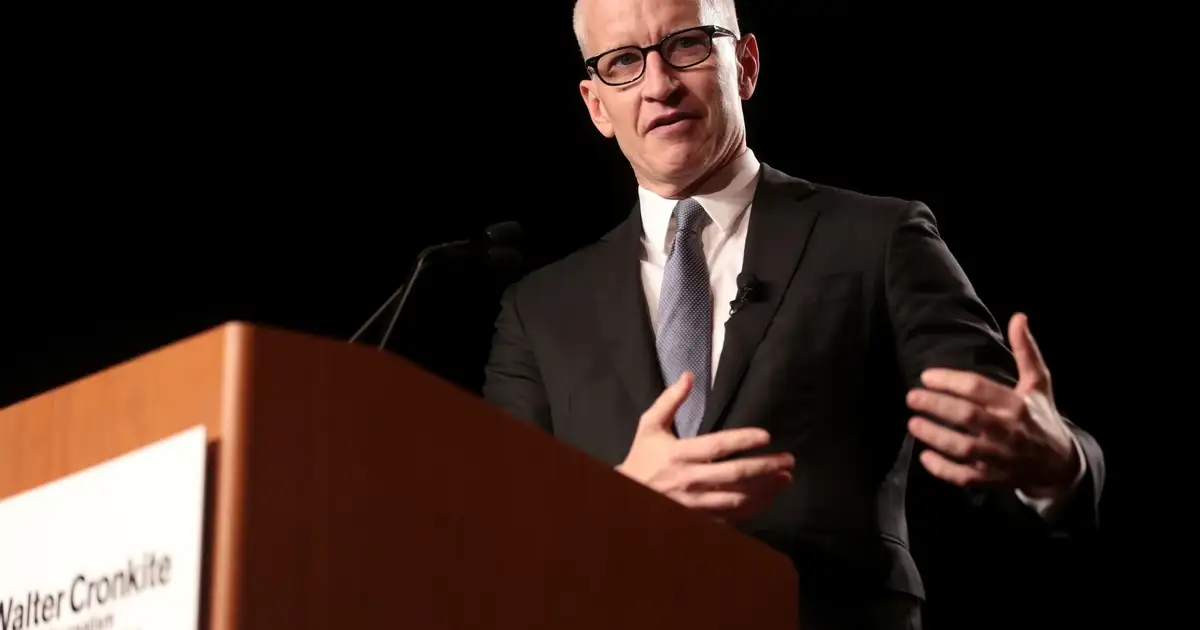
Now, Bari Weiss might not be a household name on every suburban cul-de-sac, but trust me, she is an undeniable force to be reckoned with. Primarily known for her impactful work with The Free Press, Weiss has masterfully carved out a fiercely loyal niche. This resonates powerfully with a certain, shall we say, *vocal* segment of the media landscape. But the burning question on everyone’s lips – and the one causing actual tremors in the hallowed halls of Black Rock – is what exactly she’s doing allegedly shaking up CBS News. That, my friends, is the million-dollar question that has the network in a full-blown identity crisis. Sources deep within CBS are not just quietly fuming; they are openly expressing alarm. They point to her increasing, albeit still officially unacknowledged, influence on content direction and pivotal editorial decisions. This isn’t a subtle tweak to a graphics package or a new segment idea; it’s a perceived tectonic shift in journalistic independence and core editorial standards. Veteran staff members are locked in a serious, often heated, internal debate, a battle for the very soul of the network. When a respected, long-serving correspondent like Cooper exits stage left during such a palpable internal ideological struggle, it’s not just hard to dismiss it as mere coincidence; it’s practically impossible. Was his deeply emotional sign-off a quiet protest against a changing tide? A graceful, strategic departure from a ship he felt was veering drastically off course? Or simply the exquisitely smart timing of a seasoned pro looking to avoid being caught squarely in the crossfire of a brewing civil war?The “So What” Factor: More Than Just a Changing of the Guard
For “60 Minutes,” losing Anderson Cooper isn’t just losing a correspondent; it’s losing a colossal draw. His segments consistently pulled strong viewership numbers, and finding someone to fill those enormous shoes will be a Herculean challenge. For CBS as a whole, this situation is potentially far more significant than just a star leaving. The network already grapples with declining linear TV viewership and the unstoppable digital shift. Against this backdrop, internal changes – especially those perceived as ideologically driven – can directly impact a network’s reputation for unbiased reporting. They also affect its crucial ability to attract and retain top-tier journalistic talent, and ultimately, its precious bottom line. This isn’t just about ratings; it’s about trust. The Free Press, under Weiss’s sharp leadership, has undeniably grown. It proves there’s a significant and hungry market for her distinct brand of journalism. But when that brand, with its specific ideological leanings, starts to influence a legacy institution like CBS News, things become volatile. This isn’t merely about one celebrated correspondent pursuing other opportunities. It’s about the very soul and future trajectory of a news organization that has shaped American discourse for decades. Anderson Cooper’s “emotional farewell” from “60 Minutes” isn’t just a personal career move, darling. It’s a strategically timed, highly visible exit from a network now embroiled in an internal power struggle. While he’ll undoubtedly frame it as consolidating his focus on CNN, many insiders see it differently. They believe he’s gracefully sidestepping the ideological tug-of-war waged by Bari Weiss and her powerful allies at CBS. For a journalist whose brand is built on truth and nuance, getting out now preserves his impeccable image. It also avoids any association with a potentially divisive shift in editorial direction. It’s not about finding a successor for his segments; it’s about what his departure signals for the future of CBS News itself: a profound realignment of its journalistic compass, whether the audience is truly ready for it or not. So, as the dust settles, one thing is crystal clear: Anderson Cooper isn’t just leaving “60 Minutes”; he’s leaving *this* “60 Minutes.” The question now isn’t just who will fill his chair, but what kind of CBS News will emerge from this ideological struggle. Will it remain the trusted, impartial beacon we’ve known, or will it embrace a new, more polarized identity? The future will reveal this, and perhaps a few more dramatic farewells. But one thing’s for sure: my popcorn is ready.Source: Google News