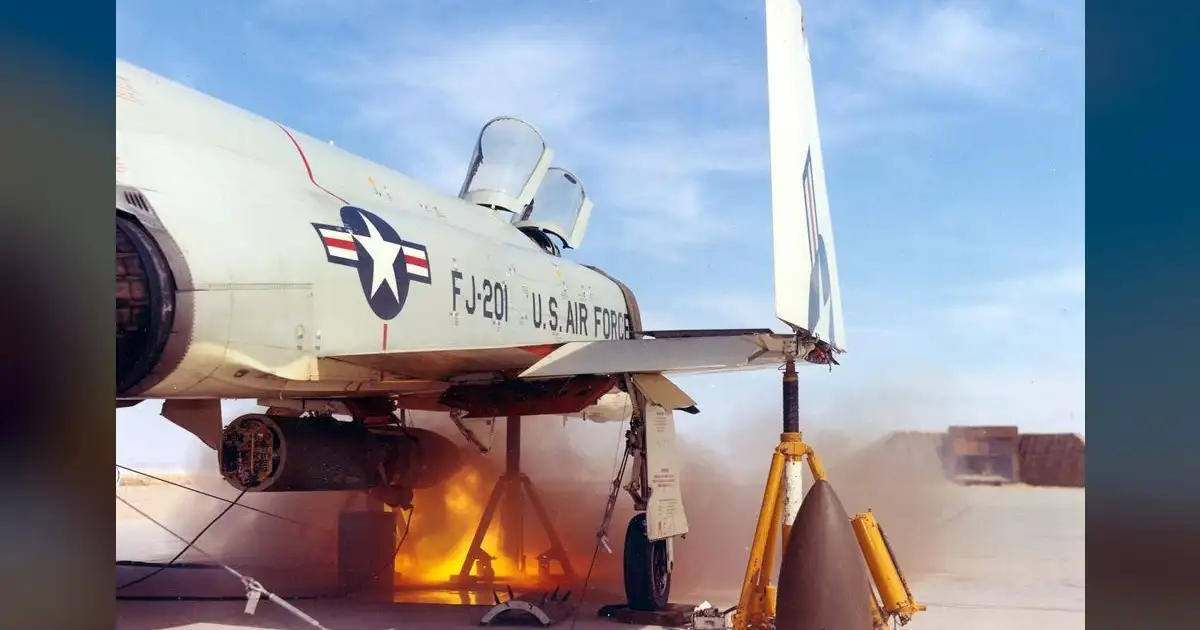

The roar of a B-52 Stratofortress is usually a symphony of American airpower; this week, it was a death knell. A catastrophic explosion at Edwards Air Force Base in California ripped through the desert air, obliterating one of the venerable strategic bombers and, with it, the lives of eight service members. This wasn’t merely an accident; it was a gut punch to the Air Force, a brutal reminder that the front lines of defense extend even to our most secure testing grounds. Eight souls, presumed dead, leave an indelible scar on the nation’s military heart, demanding immediate answers and a profound reckoning.
The incident, occurring at the nation’s premier aviation proving ground, saw the massive aircraft consumed in a fireball of unimaginable ferocity. While the full scope of the tragedy is still unfolding, the human cost is tragically clear: eight individuals, sons and daughters, brothers and sisters, who dedicated their lives to service, now gone. This is not a statistic; it is a devastating void in eight families, a shockwave felt across the entire military community.
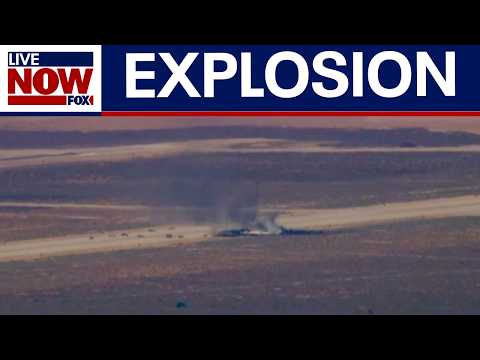
Edwards AFB: Crucible of Airpower, Now a Scene of Tragedy
Edwards Air Force Base is far more than just a runway in the California desert. It is the crucible where the future of American airpower is forged, a critical nexus where cutting-edge aircraft are pushed to their absolute limits and refined for global dominance. For an explosion of this magnitude, involving an iconic B-52, to occur here casts a long, ominous shadow over the very foundation of our aviation innovation and operational readiness. This isn’t just a loss of equipment; it’s a disruption at the very heart of our strategic development.
The B-52 Stratofortress is not simply an aircraft; it is a legend. For nearly seventy years, this enduring behemoth has been the backbone of American strategic deterrence, a symbol of unwavering resolve from the Cold War’s darkest days to the complex threats of today. It has flown missions across every continent, a testament to its robust design and adaptability. Its violent destruction, under such shocking circumstances, is a blow far beyond the material. It forces us to confront the vulnerabilities inherent in maintaining a fleet that has outlasted generations of its peers. Can we truly afford to lose such an irreplaceable asset, especially when global stability hangs by a thread?
The Air Force relies on these bombers as a core pillar of our national defense, projecting power and deterring aggression. The loss of a B-52, particularly in a fiery on-base explosion, does not merely “raise questions”; it demands immediate, unvarnished answers. The tactical implications are profound, sending ripples through strategic planning and forcing a re-evaluation of operational protocols. The investigation into what went wrong will be nothing short of exhaustive. Every fragment of debris will be meticulously analyzed, every sensor reading scrutinized, every witness interviewed. The Air Force has a mandate to leave no stone unturned, to understand the full, brutal picture, and to do so with the utmost urgency. The stakes are simply too high for anything less.
The Unbearable Cost: Eight Lives Extinguished
Eight lives. This stark number resonates with an unbearable weight. Eight families are now navigating the agonizing landscape of unimaginable grief, their worlds irrevocably altered. These were not anonymous figures; they were dedicated professionals, men and women who willingly donned the uniform, accepting the inherent dangers of serving our nation, even when operating on home soil. Whether they were seasoned test pilots, meticulous maintenance technicians, or critical ground crew, their commitment was absolute, and their sacrifice is now etched into the annals of Edwards’ history.
Military life, even outside the crucible of combat, is a constant dance with danger. Training exercises, routine maintenance, and even seemingly mundane operations can pivot from predictable to deadly in an instant. This tragedy at Edwards Air Force Base serves as a brutal, visceral reminder of that harsh reality. It shatters any illusion of absolute safety and underscores the profound truth that the cost of vigilance is often paid in blood. How many more reminders do we need before we fully grasp the daily sacrifices made by those who protect us?
The psychological impact on morale cannot be overstated. Every airman, every pilot, every ground crew member across the Air Force feels the tremor of this loss. It’s a jolt, a cold splash of reality that reinforces the ever-present risks. They understand the dangers, they accept them, but the human heart never truly acclimates to the sudden, violent extinguishing of comrades’ lives. In these moments of profound sorrow, the military community’s legendary resilience and unwavering support for affected families become paramount. It is a brotherhood and sisterhood forged in shared purpose and sacrifice, ensuring no one stands alone in the shadow of such a devastating loss.
Strategic Fallout: Repercussions for Air Force Operations
An explosion of a B-52 on base grounds is not merely an isolated incident; it is a strategic alarm bell demanding immediate, decisive action. Safety protocols will not just be “reviewed”; they will be ripped apart and rebuilt from the ground up. Maintenance procedures will not just be “re-evaluated”; they will be subjected to unprecedented scrutiny, with every bolt and every circuit examined for potential failure points. Every facet of bomber operations, from pre-flight checks to post-mission debriefs, will come under an unforgiving microscope. This is not a suggestion; it is a strategic imperative.
The Air Force boasts a proud, hard-won tradition of safety, where accidents are rare precisely because of rigorous standards. But when such a catastrophic failure occurs, it forces a hard, introspective look at every layer of command and control. This incident will undoubtedly trigger a sweeping, top-to-bottom review, not just to understand what went wrong, but to prevent future tragedies at all costs. The integrity of our strategic bomber fleet, and the lives of those who operate it, depend on it.
The B-52 fleet, though venerable, is undeniably aging. While modernization efforts are ongoing, this explosion will not merely “intensify calls” for faster upgrades; it will force a critical reckoning. The challenge of maintaining these strategic assets, some older than the airmen who fly them, is immense and constant. We are pushing the limits of engineering and human endurance. Can we truly sustain our global commitments with an increasingly antique fleet without fundamentally re-evaluating our investment in its future? The world is too volatile, too fraught with emerging threats, for any perceived weakness in our defense posture. Every asset, every airman, is a vital component of our national security. This loss is not just felt; it reverberates deeply across the entire command structure, from the flight line to the Pentagon.
The American public deserves answers. They need to understand the precise chain of events that culminated in this devastating fireball. Transparency is not merely a courtesy; it is the bedrock of trust between the military and the nation it serves. Even when the news is grim, that trust must be upheld, for it is as crucial to national defense as any bomber or missile.
The Road Ahead: Investigations, Resilience, and Unanswered Questions
The investigation into this B-52 explosion will be a long, arduous, and intensely complex undertaking. These are not simple incidents with straightforward answers. Pinpointing the exact cause requires meticulous forensic work, sifting through wreckage, analyzing black boxes, and reconstructing events second by agonizing second. Was it a mechanical failure, a critical component reaching its breaking point? Was it human error, a momentary lapse with catastrophic consequences? Or was it a confluence of factors, a perfect storm of unfortunate circumstances? No one can, or should, jump to conclusions. The integrity of our strategic airpower hinges on an unvarnished, factual determination of cause.
Yet, Edwards Air Force Base will recover. It always does. The men and women who serve there embody a resilience that is the hallmark of the American military. They will mourn their fallen comrades, honoring their sacrifice with solemn remembrance. But then, with grim determination, they will return to their duties, stronger and more resolved than before. The mission, the unwavering commitment to national security, continues, even in the face of profound tragedy. That is the military way: to honor the fallen by pressing forward, ensuring the strategic importance of our airpower remains non-negotiable.
This incident serves as a grim, undeniable lesson. Our military personnel put their lives on the line daily, in countless ways we rarely see or acknowledge. We must never forget their sacrifice, and we must always support them, not just in triumph, but especially in the crucible of tragedy. The explosion at Edwards Air Force Base is more than a reminder; it is a stark, urgent call to action. The loss of eight lives is a heavy burden, and the Air Force must now navigate a difficult, transparent path of investigation and healing. But the most pressing question remains: What will the ultimate findings reveal about the true safety, and the strategic future, of our aging, yet indispensable, strategic fleet? The answer will shape the very trajectory of American airpower for decades to come.
“““htmlThe roar of a B-52 Stratofortress is usually a symphony of American airpower; this week, it was a death knell. A catastrophic explosion at Edwards Air Force Base in California ripped through the desert air, obliterating one of the venerable strategic bombers and, with it, the lives of eight service members. This wasn’t merely an accident; it was a gut punch to the Air Force, a brutal reminder that the front lines of defense extend even to our most secure testing grounds. Eight souls, presumed dead, leave an indelible scar on the nation’s military heart, demanding immediate answers and a profound reckoning.
The incident, occurring at the nation’s premier aviation proving ground, saw the massive aircraft consumed in a fireball of unimaginable ferocity. While the full scope of the tragedy is still unfolding, the human cost is tragically clear: eight individuals, sons and daughters, brothers and sisters, who dedicated their lives to service, now gone. This is not a statistic; it is a devastating void in eight families, a shockwave felt across the entire military community.
Edwards AFB: Crucible of Airpower, Now a Scene of Tragedy
Edwards Air Force Base is far more than just a runway in the California desert. It is the crucible where the future of American airpower is forged, a critical nexus where cutting-edge aircraft are pushed to their absolute limits and refined for global dominance. For an explosion of this magnitude, involving an iconic B-52, to occur here casts a long, ominous shadow over the very foundation of our aviation innovation and operational readiness. This isn’t just a loss of equipment; it’s a disruption at the very heart of our strategic development.
The B-52 Stratofortress is not simply an aircraft; it is a legend. For nearly seventy years, this enduring behemoth has been the backbone of American strategic deterrence, a symbol of unwavering resolve from the Cold War’s darkest days to the complex threats of today. It has flown missions across every continent, a testament to its robust design and adaptability. Its violent destruction, under such shocking circumstances, is a blow far beyond the material. It forces us to confront the vulnerabilities inherent in maintaining a fleet that has outlasted generations of its peers. Can we truly afford to lose such an irreplaceable asset, especially when global stability hangs by a thread?
The Air Force relies on these bombers as a core pillar of our national defense, projecting power and deterring aggression. The loss of a B-52, particularly in a fiery on-base explosion, does not merely “raise questions”; it demands immediate, unvarnished answers. The tactical implications are profound, sending ripples through strategic planning and forcing a re-evaluation of operational protocols. The investigation into what went wrong will be nothing short of exhaustive. Every fragment of debris will be meticulously analyzed, every sensor reading scrutinized, every witness interviewed. The Air Force has a mandate to leave no stone unturned, to understand the full, brutal picture, and to do so with the utmost urgency. The stakes are simply too high for anything less.
The Unbearable Cost: Eight Lives Extinguished
Eight lives. This stark number resonates with an unbearable weight. Eight families are now navigating the agonizing landscape of unimaginable grief, their worlds irrevocably altered. These were not anonymous figures; they were dedicated professionals, men and women who willingly donned the uniform, accepting the inherent dangers of serving our nation, even when operating on home soil. Whether they were seasoned test pilots, meticulous maintenance technicians, or critical ground crew, their commitment was absolute, and their sacrifice is now etched into the annals of Edwards’ history.
Military life, even outside the crucible of combat, is a constant dance with danger. Training exercises, routine maintenance, and even seemingly mundane operations can pivot from predictable to deadly in an instant. This tragedy at Edwards Air Force Base serves as a brutal, visceral reminder of that harsh reality. It shatters any illusion of absolute safety and underscores the profound truth that the cost of vigilance is often paid in blood. How many more reminders do we need before we fully grasp the daily sacrifices made by those who protect us?
The psychological impact on morale cannot be overstated. Every airman, every pilot, every ground crew member across the Air Force feels the tremor of this loss. It’s a jolt, a cold splash of reality that reinforces the ever-present risks. They understand the dangers, they accept them, but the human heart never truly acclimates to the sudden, violent extinguishing of comrades’ lives. In these moments of profound sorrow, the military community’s legendary resilience and unwavering support for affected families become paramount. It is a brotherhood and sisterhood forged in shared purpose and sacrifice, ensuring no one stands alone in the shadow of such a devastating loss.
Strategic Fallout: Repercussions for Air Force Operations
An explosion of a B-52 on base grounds is not merely an isolated incident; it is a strategic alarm bell demanding immediate, decisive action. Safety protocols will not just be “reviewed”; they will be ripped apart and rebuilt from the ground up. Maintenance procedures will not just be “re-evaluated”; they will be subjected to unprecedented scrutiny, with every bolt and every circuit examined for potential failure points. Every facet of bomber operations, from pre-flight checks to post-mission debriefs, will come under an unforgiving microscope. This is not a suggestion; it is a strategic imperative.
The Air Force boasts a proud, hard-won tradition of safety, where accidents are rare precisely because of rigorous standards. But when such a catastrophic failure occurs, it forces a hard, introspective look at every layer of command and control. This incident will undoubtedly trigger a sweeping, top-to-bottom review, not just to understand what went wrong, but to prevent future tragedies at all costs. The integrity of our strategic bomber fleet, and the lives of those who operate it, depend on it.
The B-52 fleet, though venerable, is undeniably aging. While modernization efforts are ongoing, this explosion will not merely “intensify calls” for faster upgrades; it will force a critical reckoning. The challenge of maintaining these strategic assets, some older than the airmen who fly them, is immense and constant. We are pushing the limits of engineering and human endurance. Can we truly sustain our global commitments with an increasingly antique fleet without fundamentally re-evaluating our investment in its future? The world is too volatile, too fraught with emerging threats, for any perceived weakness in our defense posture. Every asset, every airman, is a vital component of our national security. This loss is not just felt; it reverberates deeply across the entire command structure, from the flight line to the Pentagon.
The American public deserves answers. They need to understand the precise chain of events that culminated in this devastating fireball. Transparency is not merely a courtesy; it is the bedrock of trust between the military and the nation it serves. Even when the news is grim, that trust must be upheld, for it is as crucial to national defense as any bomber or missile.
The Road Ahead: Investigations, Resilience, and Unanswered Questions
The investigation into this B-52 explosion will be a long, arduous, and intensely complex undertaking. These are not simple incidents with straightforward answers. Pinpointing the exact cause requires meticulous forensic work, sifting through wreckage, analyzing black boxes, and reconstructing events second by agonizing second. Was it a mechanical failure, a critical component reaching its breaking point? Was it human error, a momentary lapse with catastrophic consequences? Or was it a confluence of factors, a perfect storm of unfortunate circumstances? No one can, or should, jump to conclusions. The integrity of our strategic airpower hinges on an unvarnished, factual determination of cause.
Yet, Edwards Air Force Base will recover. It always does. The men and women who serve there embody a resilience that is the hallmark of the American military. They will mourn their fallen comrades, honoring their sacrifice with solemn remembrance. But then, with grim determination, they will return to their duties, stronger and more resolved than before. The mission, the unwavering commitment to national security, continues, even in the face of profound tragedy. That is the military way: to honor the fallen by pressing forward, ensuring the strategic importance of our airpower remains non-negotiable.
This incident serves as a grim, undeniable lesson. Our military personnel put their lives on the line daily, in countless ways we rarely see or acknowledge. We must never forget their sacrifice, and we must always support them, not just in triumph, but especially in the crucible of tragedy. The explosion at Edwards Air Force Base is more than a reminder; it is a stark, urgent call to action. The loss of eight lives is a heavy burden, and the Air Force must now navigate a difficult, transparent path of investigation and healing. But the most pressing question remains: What will the ultimate findings reveal about the true safety, and the strategic future, of our aging, yet indispensable, strategic fleet? The answer will shape the very trajectory of American airpower for decades to come.
Source: Google News