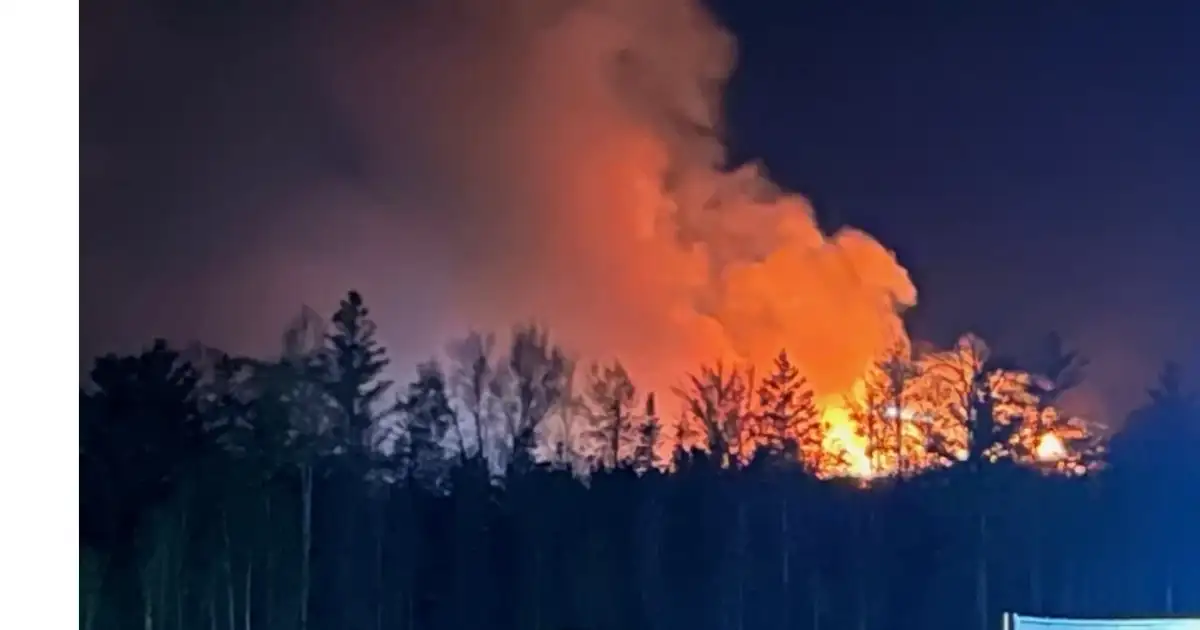

The acrid smell of smoke chokes Central Oregon once more, and for the third time in a decade, residents are bolting from their homes, clutching what little they can save. The Juniper Ridge Fire didn’t just ‘explode’; it ripped through the landscape, forcing a Level 3 “Go Now” evacuation order for hundreds in Juniper Ridge Estates and parts of Tumalo. This isn’t some cruel twist of fate; it’s a damning indictment of a state government that prefers platitudes to genuine preparedness.
The fire, which started just Thursday, July 29, 2026, due to an “undetermined cause” (how utterly convenient, isn’t it?), was a measly 1,500 acres on Friday. By Sunday morning, it had metastasized into over 4,800 acres. Containment? A pathetic 5%.

Strong winds, gusting up to 30 mph, and bone-dry conditions below 15% humidity are the official culprits. But let’s be blunt: the true culprit is our collective amnesia, our willful blindness to what happens when you greenlight endless development in a region that is, quite literally, a tinderbox, then act surprised when it inevitably ignites.
Who’s Really Ready? Nobody.
Officials, bless their hearts, are tripping over themselves to sound urgent, their voices heavy with practiced concern. But do they truly grasp the terror? Deschutes County Sheriff John Smith declared,
“This Level 3 order is not a suggestion; it’s a mandatory evacuation. We understand the fear and disruption this causes, but our priority is getting people out of harm’s way before it’s too late.”
Incident Commander Sarah Chen with ODF echoed the sentiment,
“The winds have been our biggest enemy. Our crews are working tirelessly, but this is a marathon, not a sprint.”
Meanwhile, Maria Rodriguez, an evacuee from Bend, cut through the bureaucratic fog with brutal honesty:
“We had minutes, not hours. It’s terrifying to leave everything behind, not knowing if it will be there when you come back.”
“Minutes, not hours.” That’s the terrifying, unvarnished reality on the ground. Air support was grounded due to those very winds, leaving ground crews to fight an impossible, uphill battle.
This isn’t a new problem; it’s a recurring nightmare. Central Oregon has been here before, time and again, with the devastating 2017 Milli Fire and the 2020 Green Ridge Fire serving as stark, screaming warnings. Warnings, it seems, that were not just ignored, but actively dismissed.
The Red Marker Verdict: Profit Over People
Let’s cut through the smoke and mirrors, shall we? The “new normal” narrative is a convenient shield, a flimsy excuse for systemic failures. The real, ugly truth? It’s naked greed and breathtaking incompetence.
Developers, with dollar signs in their eyes, continue to push deeper into the Wildland-Urban Interface (WUI), building sprawling subdivisions exactly where they know, with absolute certainty, fires will inevitably rage. Why? Because there’s obscene profit in it. And local governments? They rubber-stamp these projects, happily collecting property taxes, all while deftly passing the buck for the inevitable disaster response onto you, the taxpayer.
The cost of suppression is already in the millions of dollars, a figure that will skyrocket into the stratosphere. This money, your money, comes from taxpayers, not from the fat cats who line their pockets by putting families in harm’s way. The hypocrisy is sickening, a bitter pill to swallow. They preach about “community preparedness” from their pulpits while simultaneously enabling the very conditions that guarantee chaos and destruction. It’s a dereliction of duty, plain and simple.
Are Communities Truly Prepared? Absolutely Not.
A reader asked: “Given how fast this fire grew and how quickly the evacuations were ordered, are Central Oregon communities truly prepared for these increasingly intense wildfire seasons?”
The answer is a resounding NO. Here’s why:
- WUI Development Continues: A Death Wish. Despite every catastrophic fire, residential construction relentlessly pushes into fire-prone wildlands. More homes, more residents, more risk. It’s not just irresponsible; it’s a societal death wish.
- Evacuation Fatigue is a Killer. Oregon State University studies from 2025 confirmed what we already suspected: residents are delaying evacuations. They’ve heard “be ready” so many times, the urgency has been dulled, leaving them numb until the flames are licking at their doors. This complacency, born of repeated, vague warnings, is deadly.
- Chokepoint Roads: Traps, Not Escapes. Many WUI areas, like parts of Tumalo, boast only limited escape routes. This isn’t just an inconvenience; it creates terrifying bottlenecks, turning urgent, life-saving evacuations into panicked, gridlocked traffic jams. Imagine being stuck, watching the smoke billow closer.
- Underfunded Local Efforts: A Crippling Shortfall. State and federal money offers temporary bandages, but local fire districts are consistently starved for year-round mitigation funds. They simply cannot keep pace with the escalating scale of the threat, leaving them perpetually behind the curve.
- Nature’s Fury, Human Folly. Even with improved forecasting and dedicated crews, the extreme, unpredictable winds and rapid drying conditions can overwhelm any plan. The Juniper Ridge Fire proved that in terrifying fashion. But let’s be clear: our human folly in ignoring basic land management and development sense amplifies nature’s wrath exponentially.
This isn’t just about Mother Nature’s fury; it’s about a broken system, a leadership vacuum that prioritizes developer profits over human lives, then feigns surprise when the bill comes due in ash and tears. Expect more chaos, more destruction, and more of your taxpayer dollars burned away until someone, anyone, in power finds the courage, the conviction, the spine, to stand up and finally put a stop to this madness. The question isn’t if the next fire will come, but how many more homes, how many more lives, will be sacrificed before we finally learn?
Source: Google News