
New York City’s subway system just burned again. A massive fire at the Astor Place station injured 14 people. This is not just an accident; it is a blazing indictment of the MTA’s colossal failure.
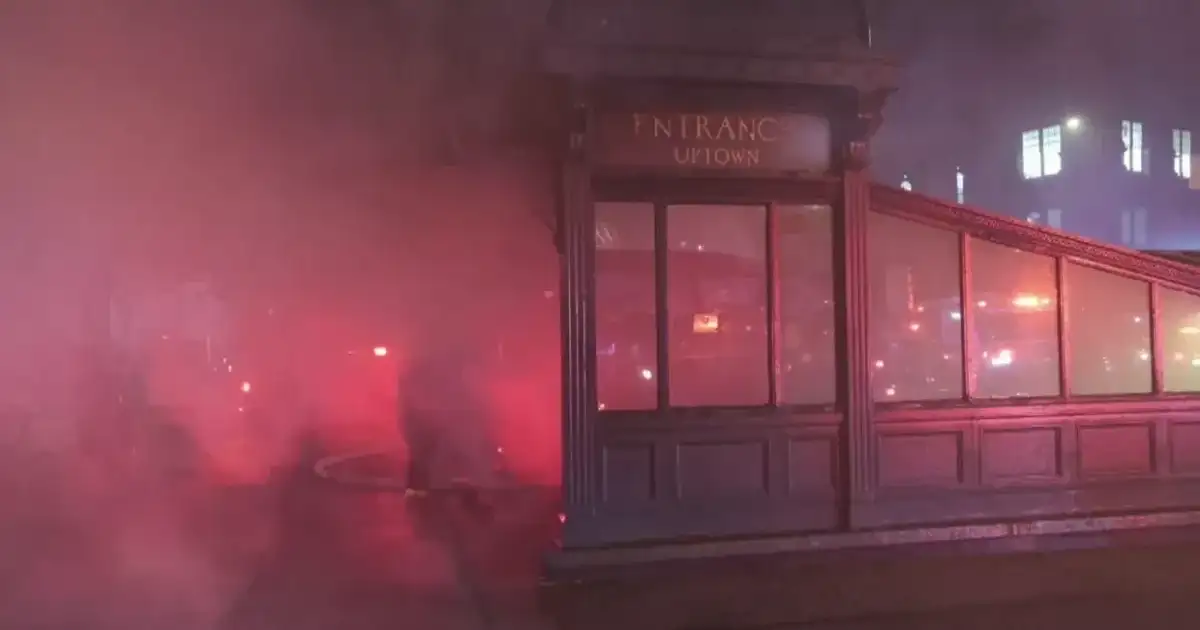
The incident struck on the evening of August 2, 2026. Smoke and flames billowed from the Manhattan station shortly after 7:00 PM EDT. Firefighters raced to the scene, locating the blaze at track level.

The cause appears to be an electrical malfunction or issues with equipment. Service on the 6 train was suspended for hours.
Most of the 14 injured suffered smoke inhalation. All were taken to hospitals and are now stable.
The FDNY called their response heroic, preventing a worse catastrophe.
Billions Don’t Buy Safety
The MTA loves to talk about its billions. Their current five-year capital plan (2020-2024) is a staggering $51.5 billion. A huge chunk of that money targets “state-of-good-repair” projects. This includes signal upgrades and station modernizations. These are supposed to prevent exactly this type of disaster.
Yet, the fires keep happening. The MTA’s own reports show over 1,500 service disruptions from equipment failure in 2025. That number is climbing. It tells a clear story: the money is not fixing the problem.
Many of these big infrastructure projects face severe delays. They also suffer massive cost overruns.
This pushes back completion dates. It leaves older, vulnerable systems in place for far too long.
The average age of some critical subway equipment already exceeds 50 years. This is beyond unacceptable.
A History of Excuses
This isn’t a new problem for New York. The Astor Place fire echoes past disasters.
Think back to the 1990 Union Square Fire. That electrical blaze caused huge damage and service chaos. It sparked widespread calls for major infrastructure overhauls.
Then there was the 2017 Harlem Fire. That incident near 145th Street also involved electrical issues and aging equipment. Every time, politicians promise change. Every time, the MTA vows to do better. Yet, the system remains a ticking time bomb.
“Our firefighters responded heroically to a dangerous situation, preventing a much larger disaster. This incident underscores the critical need for constant vigilance and investment in our city’s vital infrastructure.”
— FDNY Chief of Operations, John S. Miller, August 2, 2026
Chief Miller is right about the need for vigilance. But where is the effective investment? The MTA’s capital plan is supposed to be that investment. It seems to be failing its core mission.
Where Does the Money Go?
The MTA claims its $51.5 billion capital plan is working. They point to ambitious modernization efforts.
But critics argue that day-to-day maintenance is suffering. Preventative measures for existing infrastructure might be underfunded.
The focus on shiny new projects could be leaving the basics behind.
MTA Chairman and CEO, Janno Lieber, gave the standard line.
“We are fully investigating the cause of this fire and will take every measure to ensure the safety of our riders and employees. Our crews are working around the clock to restore full service and assess the damage.”
— MTA Chairman and CEO, Janno Lieber, August 3, 2026
Mayor Eric Adams echoed this sentiment. He promised accountability. These are the same words New Yorkers hear every time. They offer no comfort to the injured or to frustrated commuters. They do not explain why a multi-billion dollar plan cannot prevent fires.
“The safety of New Yorkers is my top priority. We will get to the bottom of what caused this fire and hold all responsible parties accountable. Our city deserves a safe and reliable transit system.”
— NYC Mayor Eric Adams, August 3, 2026
The MTA also constantly pleads for more federal funding. They argue the scale of repairs needed is too great.
This sounds like an excuse. They already have tens of billions.
The question is how that money is being spent. It is not just about having a big budget. It is about using it effectively.
The Real Cost of Neglect
This incident is more than just an inconvenience. It impacts daily life. It costs the city economic productivity.
It erodes public trust in government services. Every New Yorker relies on the subway. They deserve a safe and reliable ride.
The Astor Place fire is a stark reminder. Our essential urban infrastructure is fragile. It is aging.
It is dangerous. The MTA’s massive capital plan is not delivering on its promise.
It is failing to prevent these critical infrastructure failures.
The city and state leadership must stop the rhetoric. They must start showing real results.
New Yorkers cannot afford another blaze. The time for excuses is over.
Source: Google News