

Lala’s Fury: Hawaii Left Reeling, One Life Lost, Homes Vanished
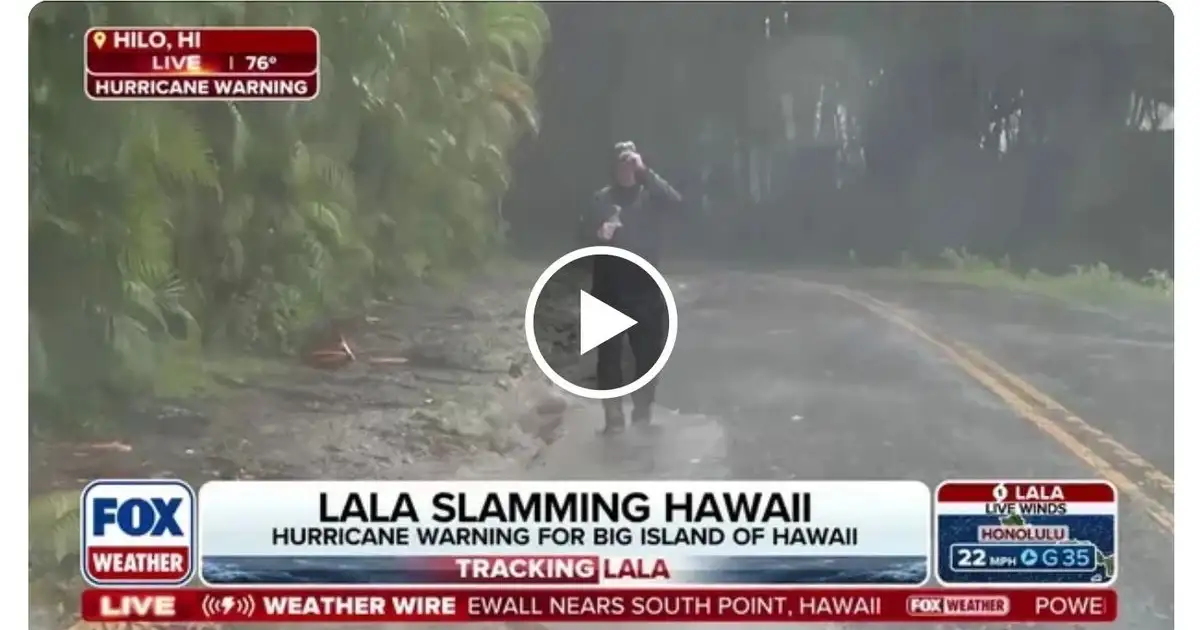
Hawaii isn’t just reeling; it’s been ripped open. In a terrifying 48 to 72-hour onslaught, Hurricane Lala, initially a Category 1, exploded into a relentless force, unleashing a torrent of rain, flash flooding, and mudslides that have scarred our islands forever. Maui and the Big Island bore the brunt of this fury, and as the floodwaters grudgingly recede, the stark, heartbreaking truth is emerging: at least one life has been tragically lost, and entire communities have watched their homes vanish into the churning chaos.The Brutal Aftermath: Paradise Shattered
The warnings issued on August 14, 2026, across Maui, the Big Island, and Oahu braced us for a significant storm. What slammed into us, however, was a nightmare. Lala intensified with a brutal, almost malicious speed, catching residents and officials alike off guard. Imagine walls of water, not just swollen rivers, transforming familiar roads into raging torrents and vibrant communities into unrecognizable debris fields. Families who managed to flee the low-lying, flood-prone areas returned to scenes of gut-wrenching devastation. Homes, which once held generations of memories and served as the very anchors of island life, are now twisted wreckage, swallowed by the hungry ocean, or buried under tons of unforgiving mud. That single confirmed fatality isn’t just a number on a disaster report; it’s a profound human loss. Someone’s parent, child, neighbor – a vital thread ripped from the fabric of our community. Their death is a tragedy amplified by the sheer, unbridled power of nature that tore through our islands. Yes, a state of emergency has been declared – a bureaucratic necessity – but it does little to bring back what’s lost or to mend the shattered lives of those who have lost absolutely everything.The “Unexpected” Hammer Blow
Authorities, predictably, are quick to blame the ‘unexpected intensification’ of Hurricane Lala. And while storms can certainly defy forecasts, let’s be blunt: how many more times will ‘unexpected’ be the excuse? Are we truly ready for this increasingly volatile climate? Are our preparations robust enough when ‘unexpected’ is rapidly becoming the new normal? The lightning speed at which homes were obliterated, the widespread, systemic infrastructure damage – it all screams of a deep-seated vulnerability that has always lurked just beneath the surface of our island paradise. We will rebuild, we will recover, but if history is any guide, we’ll once again be patching up the very same weaknesses, leaving us just as exposed for the next inevitable blow. The real cost, we know, isn’t just the immediate, visible wreckage. It’s the crushing, long-term burden on families, the grinding struggle to rebuild shattered lives, and the constant, existential threat hanging over our communities – forever caught between the breathtaking beauty of the Pacific and its raw, untamed, destructive power. So let’s cut through the convenient narrative of ‘unforeseen circumstances.’ While hurricanes are indeed unpredictable, the vulnerability of our infrastructure and the crushing financial strain on local residents *after* these events are absolutely predictable. This ‘unexpected intensification’ is nothing more than a convenient deflection from the deeper, uncomfortable truth: the constant, often underfunded, battle to truly protect our unique island communities from the very forces that define us. Federal aid will arrive, undoubtedly, offering a temporary balm. But make no mistake, the true price will be paid by the local families, the small businesses, the very heartbeat of Hawaii, who are left to piece together lives shattered by a storm that, in hindsight, perhaps wasn’t as ‘unexpected’ in its *potential* to devastate as some would have us believe. The cameras will leave, the headlines will fade, and the focus will shift to recovery. But until we confront the systemic challenges of preparedness and equitable rebuilding head-on, the underlying weaknesses will persist, leaving us tragically exposed for the next ‘unexpected’ disaster. When will we finally learn?Source: Google News