
Flood Threat to California Escalates as Hurricane Polo Approaches
California finds itself on the brink of a significant weather crisis as Hurricane Polo, a formidable storm currently classified as a Category 2 hurricane, inches closer to the state’s southwestern coastline. With sustained winds of 105 mph and a slow north-northeast trajectory, Polo’s expansive size and recent shifts in path have raised alarm bells among meteorologists, emergency officials, and residents alike. The potential for catastrophic flooding is no longer a distant threat but an imminent reality, prompting urgent action across multiple counties.
Current Status and Trajectory of Hurricane Polo
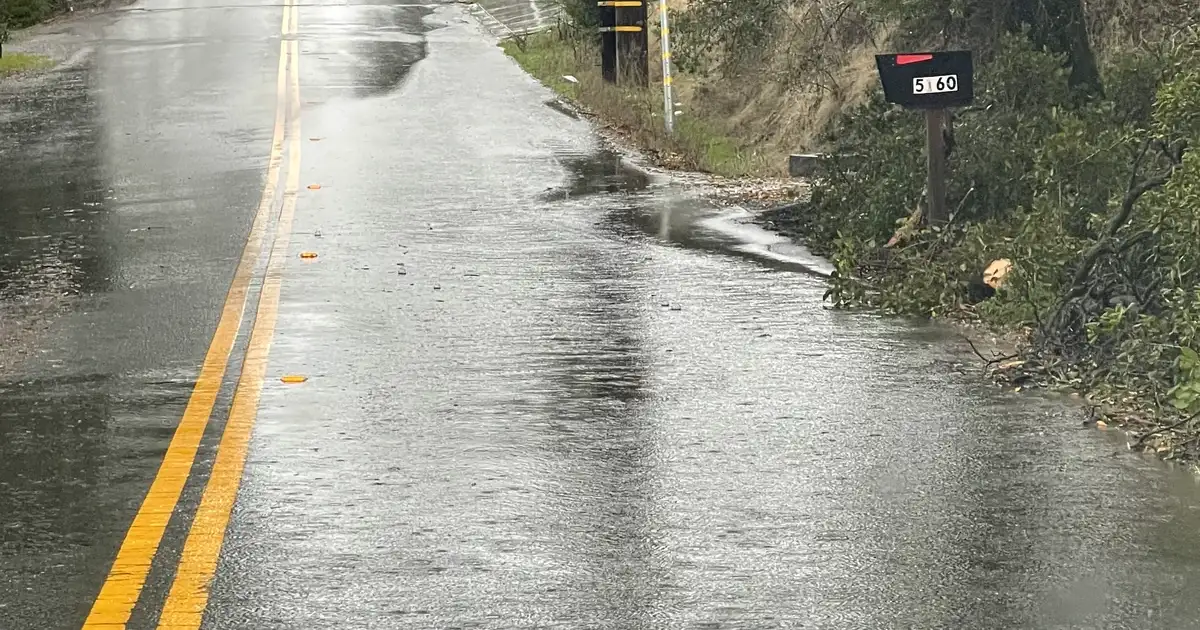
As of September 28, 2026, Hurricane Polo remains active in the Pacific, passing over Baja California and gradually moving towards California. Although it has weakened slightly from its peak intensity, the storm’s broad size means that its influence extends over a large area, bringing heavy rainfall and storm surge risks to coastal and inland regions. The National Weather Service (NWS) reports rainfall totals could reach between 4 to 8 inches in many parts of Southern and Central California, with some spots potentially experiencing up to 10 inches. Such rainfall levels threaten to overwhelm local drainage systems and exacerbate existing vulnerabilities within the state’s extensive floodplain.
Historical Context and Significance
This event marks a notable chapter in California’s weather history. While hurricanes rarely make direct landfall in the state, the remnants of these storms can produce intense rainfall and flooding. The last significant hurricane-related flooding incident was caused by Hurricane Kay in 2023, which flooded the Central Coast and prompted widespread evacuations. The current threat from Polo underscores the importance of preparedness, especially as climate patterns continue to produce more extreme weather events. The state’s experience with past hurricanes highlights the unpredictable nature of such storms and the critical need for proactive measures.
Government Response and Community Preparedness
In response to the escalating threat, California Governor Gavin Newsom declared a state of emergency across multiple counties, including Los Angeles, Ventura, and San Bernardino. This declaration facilitates the rapid deployment of resources, coordination of emergency services, and mobilization of shelters for displaced residents. Authorities have ordered evacuations in low-lying areas along the Sacramento River and parts of the Central Valley, where flood risks are most acute. Emergency shelters are being activated, and residents in vulnerable zones are urged to heed official advisories and prepare for possible evacuation orders.
Infrastructure and Federal Support
Caltrans has issued warnings about potential closures of mountain passes such as the Grapevine and Tejon Pass, which are at risk of mudslides and flooding. These closures could disrupt transportation and supply chains, compounding the emergency situation. Meanwhile, FEMA has dispatched additional personnel and resources to assist local agencies, emphasizing the threat of widespread property damage and the need for coordinated response efforts.
Looking Ahead: The Need for Vigilance
The unfolding scenario with Hurricane Polo reminds Californians that extreme weather events are becoming an increasingly common part of life. The storm’s slow movement and large size mean heavy rainfall could persist through the weekend, testing the resilience of infrastructure and communities alike. While authorities and emergency services prepare for the worst, residents are urged to stay informed, secure their property, and remain ready to evacuate if necessary.
California’s future resilience depends on our ability to adapt to these changing weather patterns and invest in infrastructure that can withstand such natural disasters.
As Hurricane Polo continues its approach, California’s collective response will be crucial in minimizing the human and economic toll of this impending flood threat. Preparedness, vigilance, and swift action remain our best defenses against nature’s unpredictable fury.
Source: Google News