

Hurricane Nolo Devastates Hawaii Again: The Fourth Major Disaster in One Year Signals a Climate Emergency
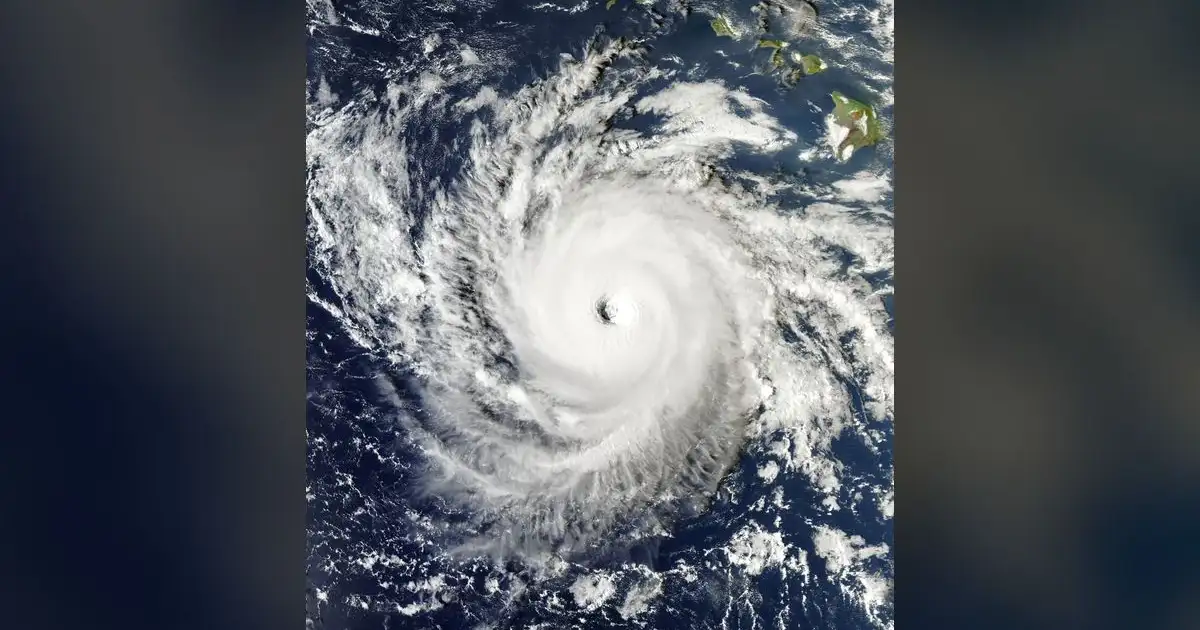
Hawaii’s paradise is turning into a disaster zone. Hurricane Nolo, with winds over 130 mph, has left destruction in its wake. Four major events in just 12 months show this isn’t coincidence — it’s a warning. The islands are being pushed to their limit. How much more can they take before breaking?The Storm That Won’t Quit: Nolo’s Ruthless Assault
Hurricane Nolo hit the Big Island early yesterday, leaving communities devastated. Winds tore through towns, flooding surged, and emergency services struggled to keep up. Roads are blocked, homes destroyed, and hospitals overwhelmed. The damage is estimated in billions. Thousands are displaced. Power outages stretch across multiple islands. Governor Josh Green declared a state of emergency and asked for federal help. But critics say this isn’t enough. Hawaii’s needs are far greater than a quick aid package.A Year of Unrelenting Disasters
Hawaii’s suffering isn’t new. It’s a pattern of escalating calamities. This past year alone, the islands faced: – Hurricane Felicia in January, eroding beaches and flooding lowlands. – Mauna Loa’s eruption in May, spewing lava and ash, shutting airports, and forcing evacuations. – Wildfires in August, burning thousands of acres fueled by drought. – Now, Nolo’s return adds another blow. Climate scientists warn these aren’t random. Warmer oceans, driven by global warming, intensify storms, making them longer and more destructive. This pattern signals a crisis that demands urgent action.The Response — Too Little, Too Late?
President Biden moved quickly, activating FEMA and approving a $150 million aid package. But critics argue that’s just a drop in the ocean. Hawaii has already spent around $200 million on coastal defenses this year — a fraction of what’s needed. Infrastructure is fragile and underfunded. Response efforts are reactive, not proactive. Senators Schatz and Tokuda call for more federal investment — stronger defenses, better early warning systems, resilient power grids. But will these calls be heard, or are they just political lip service?The Human and Economic Toll
The economic damage is severe. Tourism, Hawaii’s main industry, is collapsing. Hotels sit empty, flights canceled, and rebuilding costs soar into the billions. Many residents face homelessness and unemployment. Local businesses are shuttering. People are exhausted. Maui resident Keala Kanoa sums it up: “We’ve been hit again and again. It’s like fighting a losing battle.” Frustration is mounting. The community asks: does anyone have a real plan to break this cycle?What’s Next? More Storms or More Failures?
Scientists warn that without global action, storms like Nolo will become the norm. Rising sea temperatures mean more intense, longer-lasting storms. Hawaii’s leaders propose resilience plans: upgraded infrastructure, stronger building codes, early warning systems. But without federal backing, these are just words. The real question: will policymakers finally prioritize climate resilience, or continue to delay?The Blame Game: Who’s Really Responsible?
The real villain isn’t just Nolo — it’s political and corporate neglect. Hawaii’s underfunded infrastructure shows systemic failure. $200 million for coastal defenses? Insufficient for the scale of destruction needed. The federal government is doing what it can, but it’s not enough. The culprits are policymakers and climate skeptics who dismiss the crisis. Hawaii is a warning sign for the nation. Will we wake up before it’s too late?Final Wake-Up Call
Nolo’s destruction is more than a storm — it’s a wake-up call. Climate change is here, and the damage is mounting. If we ignore the signs and fail to act, storms like Nolo will become the new normal. Hawaii’s suffering today previews what’s coming nationwide. The question remains: how many disasters will it take before we admit climate change is our greatest crisis? Or will we keep avoiding the truth until it’s too late?Source: Google News