

Shark in the Streets of New Jersey: Climate Change’s New Normal
Floodwaters flood streets, and now, sharks swim through them. This isn’t a horror movie scene; it’s happening along New Jersey’s coast. A storm dumped 10 inches of rain, with 80 mph winds, turning neighborhoods into lakes. But the real shock? Marine life appearing in broad daylight after the storm subsides.The Flood and the Freak Show: A New Coastal Reality
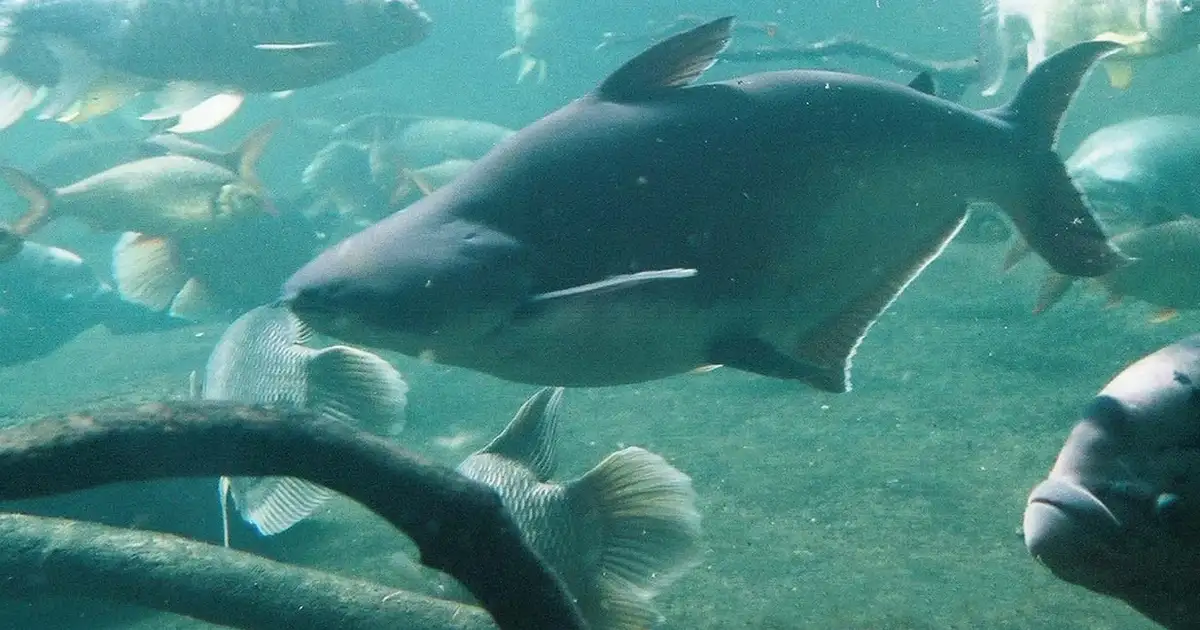
Late Monday, a fierce storm unleashed historic rainfall and hurricane-force gusts. Emergency crews rescued stranded residents, but the next morning, residents in Bayview captured footage that stunned everyone. A 6-foot shark was seen navigating waist-deep floodwaters near the shoreline—a predator meant for the ocean, not streets. Imagine the terror: floodwaters rising, then a predator swimming through your neighborhood. Climate change isn’t just melting ice; it’s unleashing chaos. The NJ Department of Environmental Protection confirmed the sighting, linking it to storm surge pushing marine life inland. Storms are tearing open a portal between ocean and land, turning neighborhoods into biological battlegrounds.Displacement of Marine Life: Climate Change’s Wild Card
This isn’t a one-off. Over the past decade, sightings of sharks, dolphins, and whales in unexpected places during storms have increased. Why? Because climate change intensifies storms, creating larger surges and longer floods. These are ecological upheavals, not just weather events. Dr. Emily Carter from Rutgers explains:“Storm surges now push marine animals far inland, something we rarely saw a decade ago.”Rising sea levels and warming waters are forcing marine creatures into unfamiliar territory, turning floodwaters into hunting grounds. Humans? We’re caught in the middle of this upheaval, often unprepared.
The Human Toll and the Ecological Wake-Up Call
Beyond shock, these events threaten health and safety. Floodwaters contaminated with sewage, chemicals, and now predators—imagine stepping into murky water and facing a creature that belongs offshore. Officials warn residents to stay out of floodwaters, but the danger runs deeper. This exposes how unprepared we are for climate change’s ecological fallout. We build in flood zones, dismiss rising seas, and pretend storms are isolated. But the data shows otherwise: this is the new normal. Mayor John Reynolds of Bayview summed it up:“We’re grateful no injuries occurred, but this is a wake-up call. We need better flood defenses and urgent climate action.”The message is clear: unless we change course, these incidents will become more frequent and dangerous.
Historical Incidents or a Sign of the Future?
Marine life turning up inland isn’t new. In 2012, a shark was found in a flooded Long Island parking lot after a hurricane. But that was rare. Now, these sightings are becoming routine, a sign that climate change rewrites nature’s rules. The question isn’t if it will happen again, but how often and how many species will be involved. Rising seas and warming waters mean more displacements, more encounters, and a new reality where ocean predators threaten neighborhoods. It’s no longer a matter of if; it’s when—and how many. Climate advocates warn these aren’t isolated freak events. Each storm surge pushing marine life inland signals a planet spiraling into ecological chaos. The ocean’s boundaries are dissolving, and we’re paying the price.Response, Resilience, and the Road Ahead
Authorities are racing to track these intrusions. The NJDEP monitors the shark’s movements, issues warnings about contaminated floodwaters and wildlife encounters. But what’s the plan for the next displaced animal or storm? Experts say the solution is investing in resilient infrastructure—better flood defenses, early warning systems, wildlife monitoring. But political will is the real challenge. Will policymakers prioritize climate resilience, or dismiss these crises as temporary? The truth: climate change has already made freak events the new normal. The shark in New Jersey streets isn’t isolated; it’s a warning. We can’t ignore it.The Bottom Line: An Urgent Call to Action
Oceans spilling into communities, predators swimming through floodwaters—these aren’t just alarming visuals. They’re warnings. Storm surges aren’t just weather—they’re biological weapons, signs that Earth’s balance is shattered. Will we act before more creatures and surprises arrive? Or continue building flood-prone cities, dismissing science? The shark in the streets isn’t just freakish; it’s a call. The question is whether we’re brave enough to answer. Time’s running out. Every storm pushing marine life inland is a warning shot. Next time, floodwaters might bring predators, not just rain. Are we ready, or are we just watching nature’s chaos unfold?Source: Google News