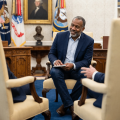
The third round of US Iran nuclear talks convened in Geneva today under the shadow of deep-seated mistrust and mounting regional instability. These negotiations, aimed at curbing Iran’s nuclear ambitions and potentially easing crippling sanctions, are unfolding at a critical juncture. The talks not only represent an effort to prevent nuclear proliferation but also serve as a geopolitical barometer for broader Middle Eastern dynamics, which remain tense and volatile amid ongoing protests inside Iran, a US military buildup in the region, and escalating fears of a military confrontation.
Underlying Stakes Beyond Nuclear Issues
At the heart of the US Iran nuclear talks lies a complex web of strategic concerns that transcend the immediate goal of nuclear non-proliferation. Iran’s nuclear program has long been a focal point of contention, but it is also emblematic of Tehran’s broader aspirations for regional influence. The Islamic Republic’s ballistic missile program, its support for proxy groups across the Levant, and its rivalry with Gulf states and Israel are all intertwined with the nuclear question. For Washington, the risk is not only a potential nuclear-armed Iran but the empowerment of a state perceived as destabilizing to US interests and allies.
Regional tensions are further inflamed by Iran’s internal unrest. Widespread protests inside Iran reflect public frustration with economic hardships exacerbated by sanctions and governance issues. These domestic pressures may influence Iran’s negotiating posture, as Tehran balances the need to secure relief from sanctions against preserving its sovereign pride and regime stability. The ongoing nuclear talks thus must navigate not only international demands but also internal political dynamics within Iran.
Trump’s State of the Union and Its Impact on Diplomacy
US President Donald Trump’s recent State of the Union address injected a confrontational tone into the nuclear talks negotiations. By accusing Iran of “pursuing their sinister ambitions” and faulting Tehran’s leadership for refusing to categorically renounce nuclear weapons, Trump signaled a hardline stance that could complicate diplomatic efforts. His rhetoric underscores the US administration’s skepticism regarding Iranian intentions and signals a low tolerance for ambiguity or deception.
This approach risks hardening Iran’s negotiating position, as Tehran insists it is not seeking nuclear arms, a point repeatedly made by its officials. The US demand for a clear-cut renunciation is seen by Iran as an existential test of trust that may be politically untenable to concede. Moreover, Trump’s public framing potentially emboldens hawkish elements within the US government and Congress who advocate for a tougher policy, including renewed military options. Correspondingly, the US military buildup in the Middle East serves as both a warning and a contingency, reflecting Washington’s preparedness for escalation despite ongoing diplomacy.
Broader Implications for Middle East Stability
The outcome of the US Iran nuclear talks carries implications far beyond nuclear arms control. A successful agreement could pave the way for a reduction in sanctions, easing Iran’s economic plight and possibly stabilizing domestic unrest. On the other hand, failure risks further confrontation, with potentially catastrophic consequences for regional security.
The nuclear talks occur against a backdrop of heightened rivalry involving Saudi Arabia, Israel, and other regional players who view Iran’s ambitions as a direct threat. Any perceived softness in US policy could prompt realignments and recalibrations of alliances across the Middle East. Conversely, a firm but diplomatic resolution might open avenues for de-escalation, although deep-seated mistrust and competing interests mean that any breakthrough would be tentative at best.
In addition, the negotiations intersect with global power politics, including Russia and China’s roles in the region and the international non-proliferation regime’s integrity. The outcome will influence Washington’s ability to marshal international support and shape the broader security architecture.
As the world watches the US and Iranian delegations deliberate in Geneva, the stakes extend well beyond the conference rooms. These nuclear talks are a litmus test for diplomacy’s capacity to manage complex security challenges amid political volatility and strategic rivalry. Observers would do well to monitor developments carefully, including how external political pressures and internal dynamics shape the path forward.
For a detailed ongoing report on the negotiations, Reuters offers comprehensive coverage: US-Iran nuclear talks coverage – Reuters.
Meanwhile, in the broader context of global strategic shifts, one must also consider economic and technological evolutions, as highlighted by recent market events: Nvidia Tops Earnings Yet Stocks Plunge—AI Market Shock!
Source: reuters.com | Image: Reuters