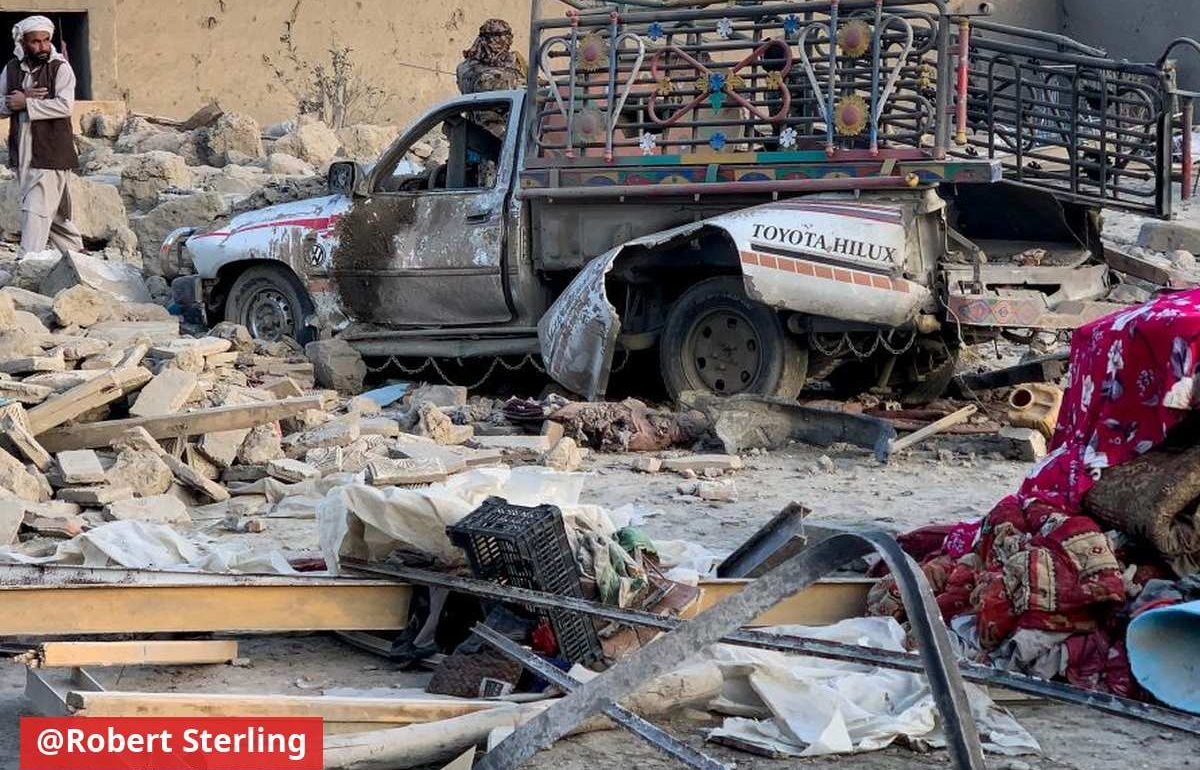

A border skirmish, a familiar friction point between two uneasy neighbors, has erupted into a full-blown, undeclared war, after Pakistani airstrikes. The world, distracted by other conflicts, is largely ignoring the escalating violence between Pakistan and Afghanistan. This is a catastrophic mistake. When two nuclear-armed nations, both possessing volatile internal dynamics, engage in open warfare, the geopolitical implications are staggering and demand our immediate attention.
The recent Pakistani airstrikes on Kabul and other Afghan cities, and the retaliatory attacks by Afghan forces on Pakistani border troops, are not isolated incidents. They are the culmination of months of rising tensions and a breakdown of a fragile peace. While the international community has been focused elsewhere, the relationship between these two nations has been steadily deteriorating, with the Durand Line, the porous and disputed border, serving as a constant source of conflict.
The Spark That Ignited the Fire – Pakistani airstrikes
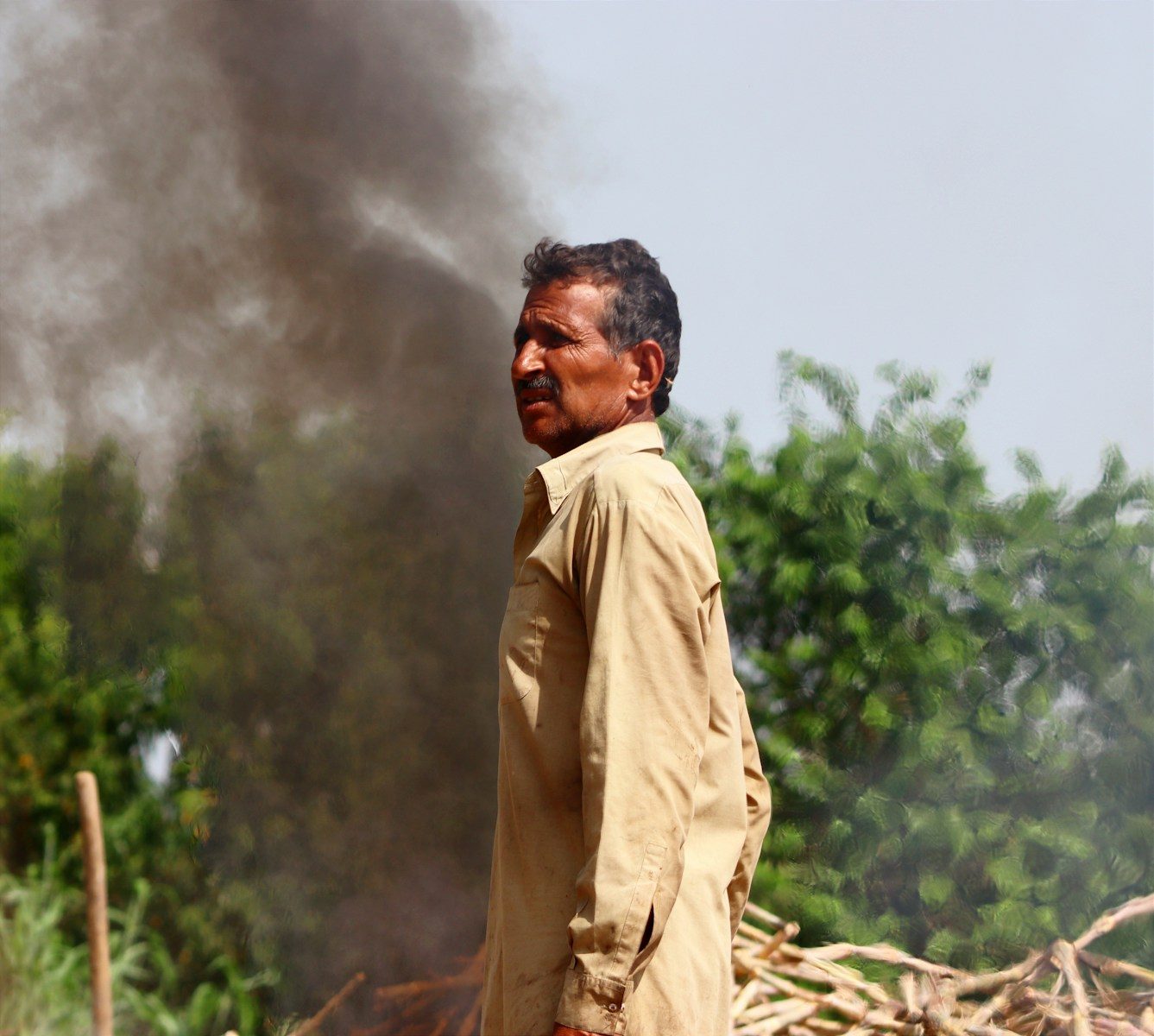
The current crisis began with a series of border skirmishes that started on February 21st. These clashes, initially dismissed as routine, have now escalated into a significant military confrontation. Both sides are reporting heavy casualties, with Pakistan claiming to have killed over 130 Taliban fighters and Afghanistan reporting over 50 Pakistani soldiers killed. These numbers, though unverified, paint a grim picture of the intensity of the fighting. The conflict has now moved beyond the border regions, with Pakistani jets bombing targets deep inside Afghanistan, including the capital, Kabul. This marks a significant and dangerous escalation, turning a border dispute into a wider war.
For more in-depth coverage of the initial clashes, see the report from Reuters.
A History of Mistrust
To understand the current conflict, one must look at the long and complicated history between Pakistan and Afghanistan. The two nations have been intertwined for decades, their relationship a complex web of alliances, betrayals, and proxy wars. Pakistan was a key supporter of the Taliban during their first rise to power in the 1990s, but the relationship has soured since the Taliban’s return to power in 2021. The Tehreek-e-Taliban Pakistan (TTP), a militant group with close ties to the Afghan Taliban, has been carrying out a bloody insurgency inside Pakistan, further straining relations between the two countries.
The current conflict is not just about a border dispute. It is about the future of the region, the fight against terrorism, and the delicate balance of power in South Asia. The world cannot afford to ignore this war. The consequences of a full-scale conflict between Pakistan and Afghanistan would be catastrophic, with the potential to destabilize the entire region and create a new humanitarian crisis. For a deeper dive into the complex relationship between the two nations, read this analysis from Radio Free Europe/Radio Liberty.
The Geopolitical Chessboard
The conflict between Pakistan and Afghanistan is not happening in a vacuum. It is part of a larger geopolitical chessboard, with regional and global powers all having a stake in the outcome. China, a close ally of Pakistan, is watching the situation closely, concerned about the stability of its western border and its investments in the China-Pakistan Economic Corridor (CPEC). The United States, after its chaotic withdrawal from Afghanistan, has limited leverage in the region, but it cannot afford to see the country descend into another full-blown civil war. India, Pakistan’s arch-rival, is also closely monitoring the situation, concerned about the potential for the conflict to spill over into its own territory.
The world is at a critical juncture. The war between Pakistan and Afghanistan has the potential to be a major turning point in the 21st century. The international community must act now to de-escalate the conflict and bring both sides to the negotiating table. The alternative is a devastating war that will have far-reaching consequences for the entire world. The time for ignoring this conflict is over. The world must wake up to the war on the roof of the world.