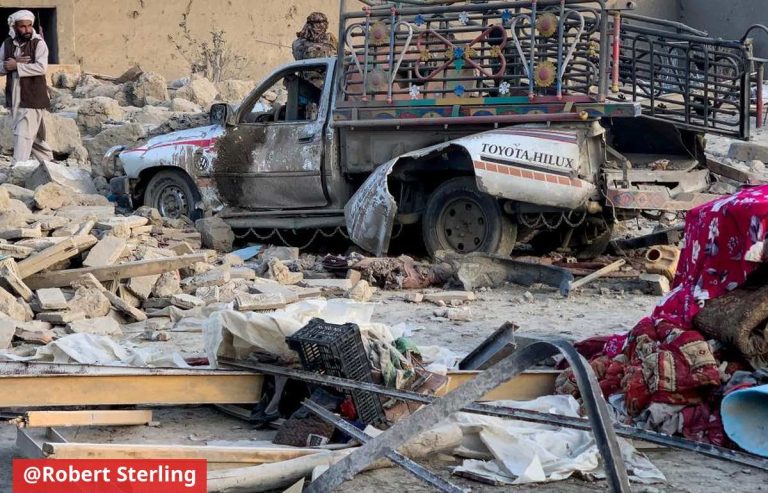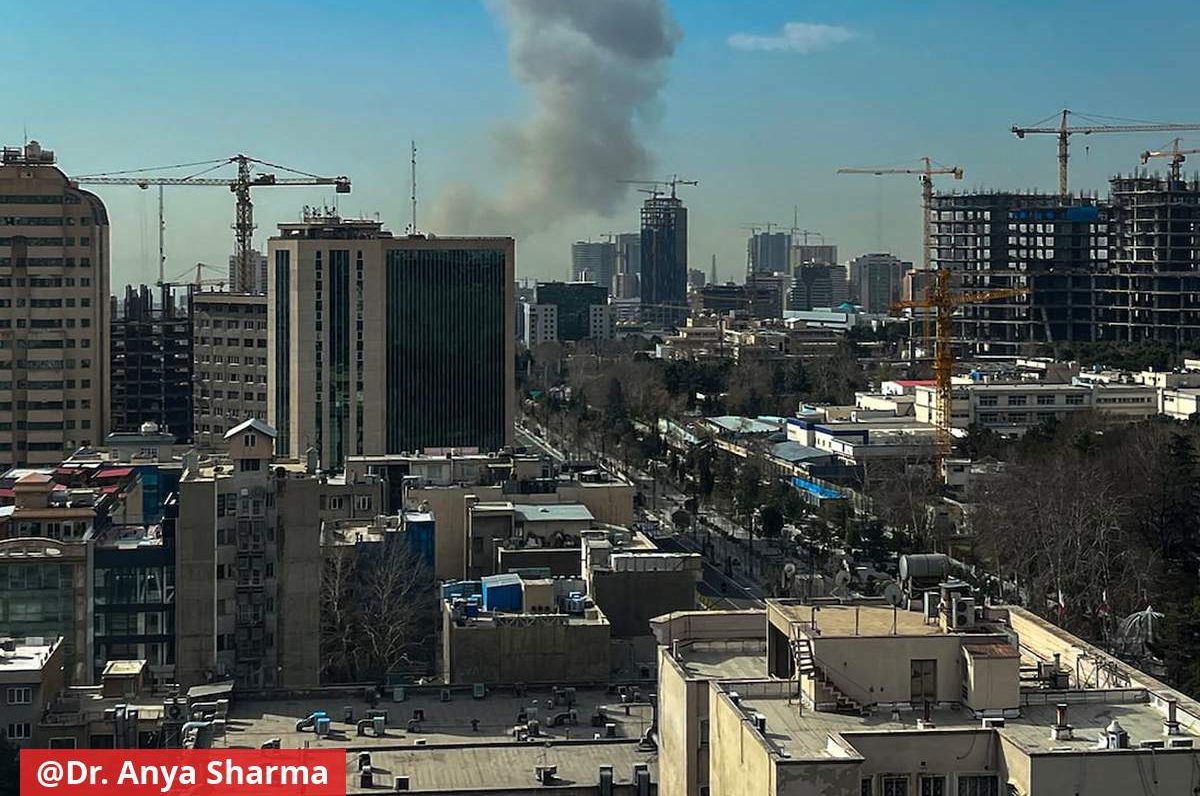

In the early hours of Saturday, the fragile veneer of diplomacy in the Middle East was not just cracked, but utterly shattered. Multiple missiles attacks. The joint US-Israeli military operation against Iran, codenamed “Operation Epic Fury,” represents a seismic shift in geopolitical strategy, moving decisively from tense negotiations to open conflict.
This is not merely another headline from a volatile region; it is the manifestation of a strategic failure and the deliberate choice to pursue a military solution to the long-simmering crisis over Iran’s nuclear ambitions. The question the world must now confront is not just what happened, but whether anyone in Washington or Tel Aviv genuinely believed diplomacy could succeed — or whether this outcome was always the plan.
The Final Collapse of a Diplomatic Tightrope after Missiles attack
Just hours before the first missiles attack struck targets across Iran, negotiators from the United States and Iran were still engaged in talks in Geneva. While public statements were cautiously optimistic, sources suggest the discussions had reached an impasse. President Donald Trump himself expressed his dissatisfaction, stating he was “not happy” with the progress. The abrupt transition from the negotiating table to the battlefield confirms what many analysts feared: the diplomatic track was a facade, a final justification for a military action that, according to Israeli defense officials, had been planned for months.
This premeditated strike, launched just a day after the latest round of talks concluded, raises profound questions about the sincerity of the diplomatic efforts. Was there ever a real chance for a deal, or was this always the intended outcome? The timing suggests a coordinated decision by Washington and Tel Aviv to abandon the path of negotiation, a path most recently revisited in the US-Iran nuclear talks that resumed just days ago. Georgetown University professor Mehran Kamrava put it bluntly: Israel “appears to have launched an attack designed to derail the negotiations.” The move signals a return to a policy of maximum pressure — but this time, the pressure is being applied not through sanctions, but through overwhelming military force.
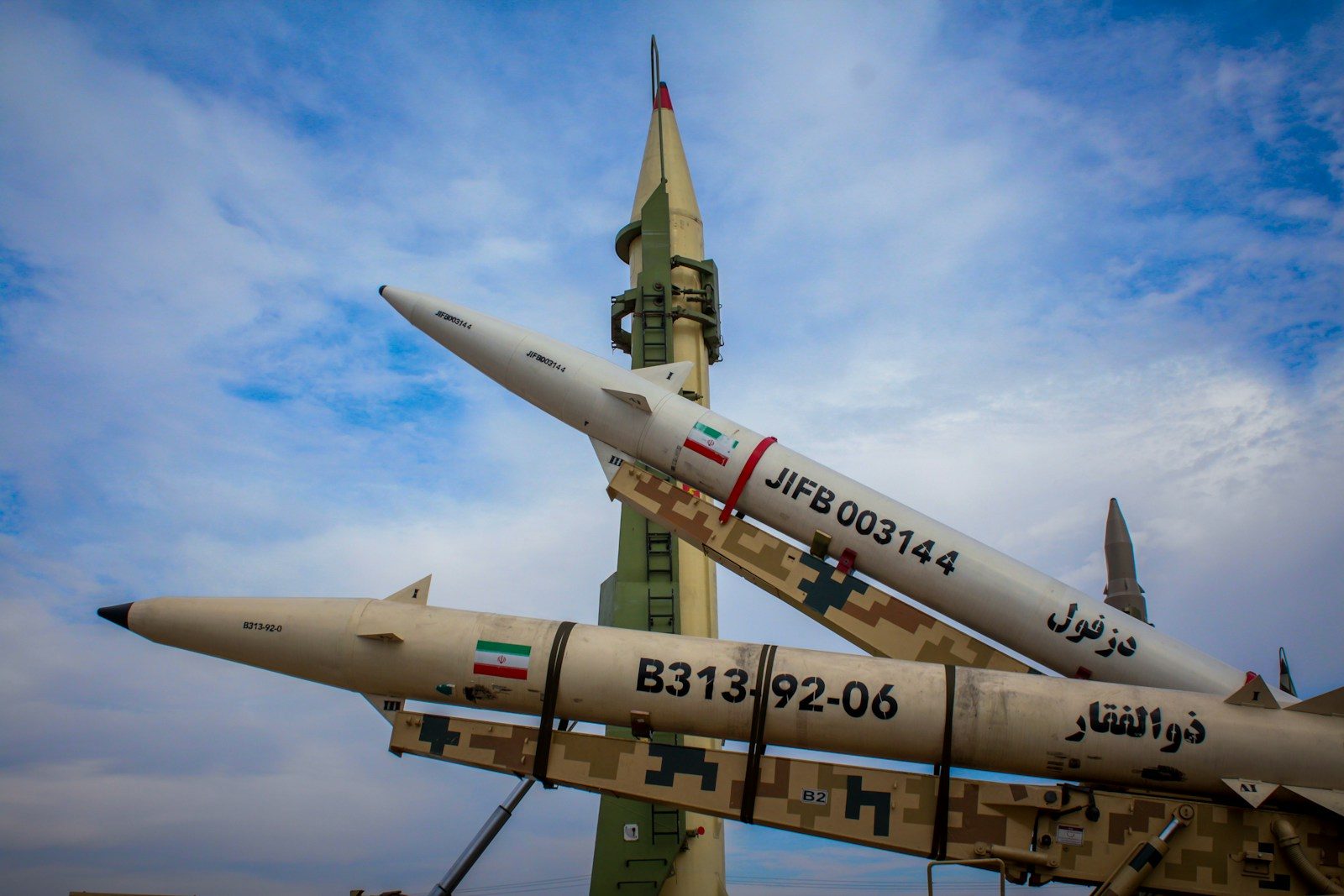
‘Operation Epic Fury’: Missiles attack at the Heart of the Regime
The scale and scope of “Operation Epic Fury” are extensive. Reports confirm strikes not only in the capital, Tehran — where explosions were seen near the intelligence headquarters and the offices of Supreme Leader Ayatollah Ali Khamenei — but also on key strategic sites across the country. The targeting of the Isfahan nuclear facility, a major hub of Iran’s atomic program, alongside military and command-and-control centers in cities like Qom, Karaj, Kermanshah, and Tabriz, indicates a clear objective: to decapitate Iran’s military and nuclear capabilities simultaneously. Khamenei himself has been moved to a secure location outside Tehran, according to sources cited by Reuters.
The joint nature of the operation, involving both US and Israeli air and sea assets, underscores the unified front presented by the two allies. The US Department of Defense confirmed missiles attack being carried out by air and sea, while Iran’s internet was effectively shut down — reduced to 4% of normal connectivity according to the NetBlocks monitoring organization. This is a far cry from the more limited, targeted missiles attack of the past. This is a comprehensive assault designed to inflict significant and lasting damage on the Iranian state’s ability to project power and advance its nuclear program.
The Trump-Netanyahu Doctrine: An Explicit Call for Regime Change
Perhaps the most startling aspect of this escalation is the explicit call for regime change from both US President Donald Trump and Israeli Prime Minister Benjamin Netanyahu. In a video posted to Truth Social, Trump directly addressed the Iranian people, telling them their “hour of freedom is at hand” and urging them to “take over your government” once the military operation concludes. “We are going to destroy their missiles and raze their missile industry to the ground,” Trump vowed. Netanyahu echoed this sentiment, stating the joint action would “create the conditions for the brave Iranian people to take their destiny into their own hands.”
This is an incredibly high-stakes gamble. While it aims to galvanize internal opposition within Iran, it also risks rallying the Iranian population around the flag in the face of foreign aggression. By openly declaring the goal is to topple the government, the US and Israel have removed any ambiguity about their intentions. This is not a limited punitive missiles attack; it is an intervention aimed at fundamentally altering the political landscape of Iran. The strategy moves beyond containment and deterrence into the uncharted territory of forced regime change — a policy with a fraught and often catastrophic history in the region. Iran’s exiled crown prince Reza Pahlavi has already called it a “humanitarian intervention,” but the path from military missiles attack to stable governance is rarely that clean.
The Unstable Aftermath: A Region on the Brink
The immediate repercussions have been swift and destabilizing. Iran has closed its airspace, as has neighboring Iraq. A near-total internet blackout has descended upon the country, a tactic the regime has used in the past to quell dissent and control information. Israel has also closed its airspace and declared a state of emergency, bracing for the inevitable retaliation. Iran’s IRGC-affiliated media has already reported the launch of dozens of ballistic missiles towards Israel, promising a “crushing response.” A second barrage of missiles was reported shortly after, with the Israeli military working to intercept the threats.
The world now holds its breath. The key question is whether this conflict can be contained or if it will spiral into the wider regional war that Khamenei himself warned of in early February, when he stated: “If they wage a war this time, it will be a regional war.” US embassies in Qatar and Bahrain have ordered personnel to shelter in place, and American citizens across the region have been urged to do the same. The decision to abandon diplomacy for military force has plunged the Middle East — and potentially the entire global order — into a new and dangerous era of uncertainty. The geopolitical implications will be felt for years to come, long after the smoke has cleared from the skies over Tehran. For a deeper look at the context that led here, see our earlier analysis on Israel’s legal battles over Gaza aid and the broader regional pressures that have been building for months.
Sources: The Guardian | CNN | NPR | Al Jazeera | CBS News | Image: via AP