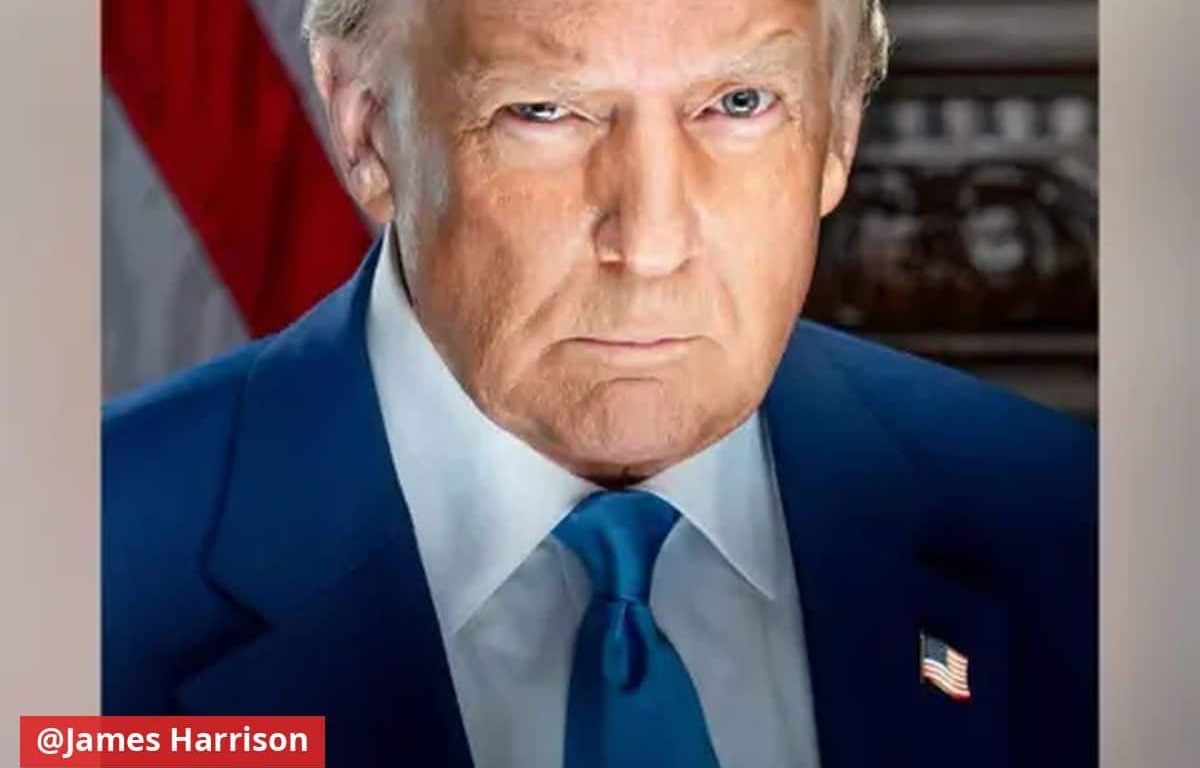

In the high-stakes theater of international relations, words are weapons. Especially with a Credibility Gap. A statement from the President of the United States can move markets, start wars, or calm rising tides of conflict. But what happens when those words paint a picture that the nation’s own intelligence apparatus cannot, or will not, verify? This is the critical question we face in the wake of President Donald Trump’s recent assertion that Iran is on the verge of developing a missile capable of striking the American homeland—a claim that sources within the U.S. intelligence community have indicated is not supported by their current assessments. [1] This isn’t just about a single piece of intelligence; it’s about the erosion of credibility and the dangerous implications for American foreign policy.
A Disconnect of Dangerous Proportions – Credibility Gap

The president’s declaration, made amidst the delicate backdrop of ongoing nuclear negotiations with Tehran, has created a jarring dissonance. On one hand, we have the commander-in-chief sounding a five-alarm fire, suggesting an imminent and existential threat. On the other, the very agencies tasked with providing unvarnished, objective analysis of global threats are reportedly shrugging their shoulders. According to a recent report from Reuters, the consensus among intelligence professionals is that while Iran’s missile program is a subject of serious concern, the timeline and capabilities described by the President are exaggerated. [2]
This is not a minor discrepancy. The difference between a developing threat and an imminent one is the difference between diplomacy and preemptive action. When the executive branch operates on a separate set of facts from its intelligence services, it creates a dangerous vacuum. Policy decisions, particularly those involving war and peace, risk being made on the basis of political rhetoric rather than ground truth. This is a gamble that no responsible nation can afford to take.
The Echoes of History
We have been down this road before, and the results were catastrophic. The specter of the 2003 invasion of Iraq, launched on the basis of flawed and politicized intelligence about weapons of mass destruction, looms large over this current controversy. The lesson from that costly misadventure was supposed to be clear: intelligence must be sacrosanct, shielded from the pressures of political agendas. To see this fundamental principle seemingly disregarded once again is not just alarming; it is a betrayal of the trust that the American people place in their leaders.
The issue at hand is not whether Iran poses a threat. The regime in Tehran has a long and well-documented history of destabilizing behavior, and its nuclear ambitions and missile program warrant constant and vigilant scrutiny. The issue is how we, as a nation, confront that threat. Do we do so on the basis of sober, evidence-based analysis, or do we allow ourselves to be guided by hyperbole and fear? The latter path is a recipe for miscalculation and disaster.
Credibility: The Coin of the Realm
In foreign policy, credibility is the coin of the realm. It is the foundation upon which alliances are built, treaties are negotiated, and conflicts are deterred. When the President of the United States makes a claim that is not backed by his own intelligence agencies, it devalues that currency. It sends a message to both allies and adversaries that American leadership is not tethered to reality. This can have devastating consequences. Allies may begin to question the reliability of American security guarantees, while adversaries may be emboldened to test American resolve, believing that the U.S. is operating in a fog of its own making.
The current situation with Iran is a case in point. The ongoing nuclear talks are a delicate dance of diplomacy, predicated on a shared understanding of the facts. If the Iranian regime believes that the United States is not operating in good faith, or that its positions are based on political posturing rather than genuine security concerns, the prospects for a peaceful resolution are greatly diminished. In a region as volatile as the Middle East, the last thing we need is another manufactured crisis.
The Path Forward
The way out of this credibility crisis is clear, though not easy. It requires a recommitment to the principles of evidence-based policymaking. It requires a president who is willing to listen to his intelligence advisors, even when their assessments are inconvenient or politically unpalatable. And it requires a Congress and a public that are willing to hold their leaders accountable for the truth.
The debate over Iran’s missile program is not just an academic exercise. It is a matter of war and peace. The American people deserve to know that the decisions being made in their name are based on the best available intelligence, not on the whims of a president who seems more interested in crafting a narrative than in confronting reality. The credibility of the United States is on the line. We must not allow it to be squandered.