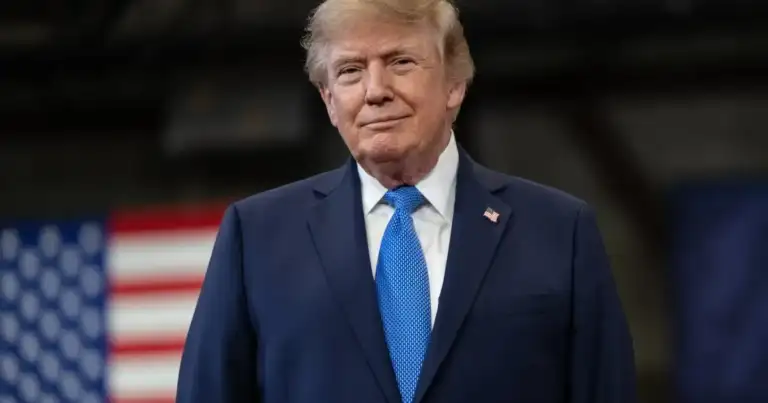
Donald Trump’s 2026 State of the Union address wasn’t just long—it was historic, clocking in at an unprecedented 1 hour and 47 minutes. This epic oration was more than a speech; it was a meticulously staged performance aimed at energizing his base, rattling opponents, and setting the tone for a potential 2028 presidential run. Our SOTU highlights coverage captures the sprawling nature of this address, which mixed policy announcements with theatrics and raw political posturing. For a closer external perspective, BBC’s analysis rightly points out Trump’s dual appeal and provocation. This Trump SOTU analysis dissects what the speech means for American politics, the economy, and the balance of power in Washington.
Theatrics Over Substance? Examining Trump’s Speech’s Dramatic Flair
It’s impossible to talk about Trump’s 2026 State of the Union without acknowledging the heavy dose of theater. From elaborate props to dramatic guest reveals, the speech was crafted as a spectacle that dominated TV screens and social media feeds alike. This wasn’t a typical policy address; it was a political production designed to convey dominance and spectacle simultaneously.
One striking moment was the removal of Representative Rashida Tlaib from the chamber for wearing an ICE protest pin—an incident that underscored the heightened tensions and partisan theater at play. Meanwhile, Trump’s backdrop featuring Casey Means, the controversial surgeon general nominee, added a layer of political signaling, emphasizing the administration’s priorities and the stakes involved in upcoming confirmation battles.

The length itself, nearly doubling previous records, also served as a statement: Trump was not here to be concise or conciliatory. The speech’s pacing allowed for repetitive messaging and grand pronouncements, like his claim that Iran’s nuclear program had been “wiped out”—a claim that NPR and others later fact-checked extensively. This blend of grandiosity and selective reality is textbook Trump, blending showmanship with strategic messaging.
Trump’s Policy Signals: Tariffs, Immigration, and AI Investment
Beyond the drama, the policy signals embedded within the address are critical to understand. Trump’s aggressive stance on trade reemerged with his declaration of tariffs on Canada and Mexico, a move that immediately unsettled markets and provoked diplomatic backlash. Wall Street’s reaction was telling: the Dow plunged 822 points shortly after the speech, only to rebound by over 300 later in the day. This volatility reflects investor uncertainty about potential economic disruptions stemming from the speech’s hardline proposals.
On immigration, the crackdown rhetoric was unapologetically tough, with promises of stricter enforcement and border security measures. This dovetailed with the spectacle involving Tlaib, reinforcing the administration’s framing of immigration as a law-and-order battlefront. Trump’s explicit targeting of his political foes by spotlighting dissenting voices in the chamber was a calculated move to rally supporters around a narrative of resistance and toughness.
Perhaps most forward-looking was the push for increased investment in artificial intelligence. Unlike past speeches dominated by nostalgia or cultural grievance, this signal acknowledges the technological arms race shaping the future. However, it remains unclear how these investments will be structured amid the broader climate of economic uncertainty and tariff tensions. The juxtaposition of cutting-edge AI ambitions alongside protectionist trade policies creates an intriguing policy paradox that will require close monitoring.
What It Means for the Political Landscape
The Trump SOTU analysis must grapple with the broader political implications. By dominating the chamber and limiting Democratic response opportunities, the address reinforced the fractured state of American politics. The traditionally bipartisan occasion became a stage for raw partisan confrontation, with Democrats largely sidelined and unable to mount a sustained rebuttal.
Trump’s approach—appealing to his base while taunting opponents—was highlighted by BBC’s Anthony Zurcher as emblematic of the speech’s tone. This tactic energizes core supporters but deepens polarization, heightening the stakes for the midterms and beyond. The administration’s strategic use of symbolism, whether through guest selections or pointed expulsions, signals a willingness to escalate political battles rather than seek compromise.
Trump’s State of the Union 2026
The media’s role in fact-checking claims, notably by NPR, further complicates the narrative. Trump’s repeated assertions about economic victories and foreign policy successes were frequently challenged, underscoring the gap between political messaging and empirical reality. This gap raises questions about the effectiveness of traditional fact-checking in an era where spectacle often trumps substance.
Ultimately, this sprawling address was less about policy detail and more about political signaling. For voters, investors, and policymakers alike, the 2026 Trump SOTU is a blueprint for a combative, unpredictable political future. Whether this approach consolidates power or fractures the coalition further remains to be seen, but it is clear that American political theater has reached a new crescendo.
Source: bbc.com | Image: Editorial Use
Related Articles
- Kansas City Airport Evacuation Exposes Alarming Rise of Security Overreach
- The Credibility Gap: A Tale of Two Realities
- Clinton Epstein Depositions EXPOSE Secrets Shaking America!