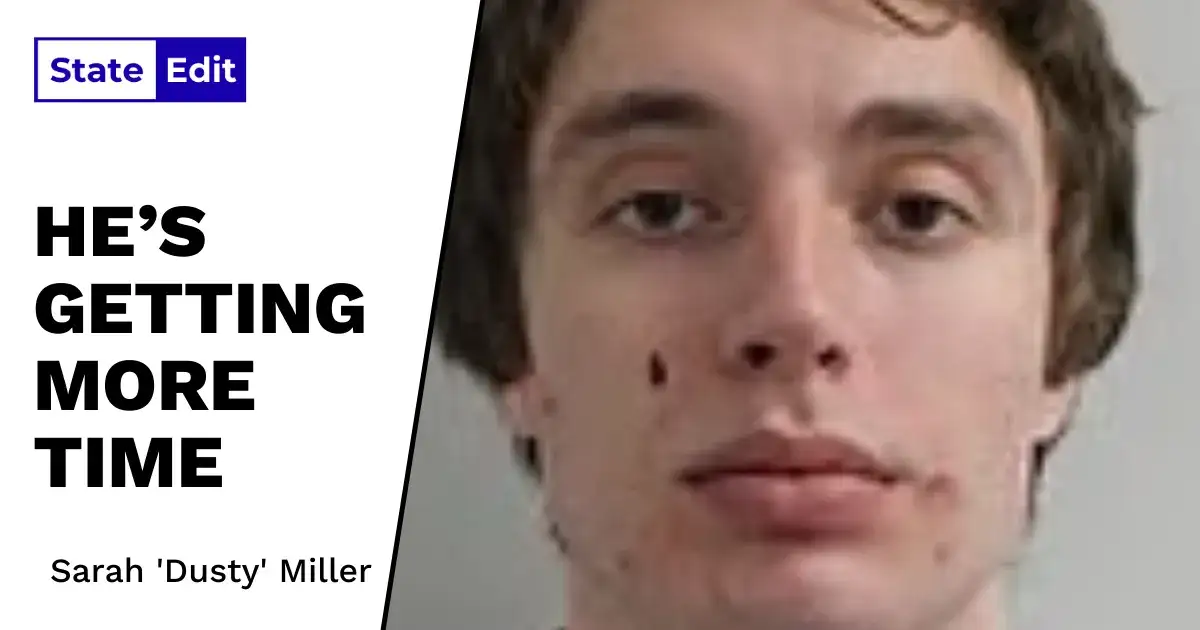

News recently broke about a wealthy Russian Thug, an individual whose life of privilege seemingly promised immunity, now facing four years behind bars for a brutal assault. The details are stark and unsettling: an unprovoked attack, a victim caught on a video call, and a judge’s unyielding declaration of deportation for a “totally unrepentant thug.”
But strip away the international flair of the Russian Thug, and the core of this story—accountability, the dismantling of privilege in the face of violence, and the unwavering demand for justice—resonates universally. It’s a potent reminder that money and status, no matter how vast, do not grant an exemption from the law. This principle is not some abstract legal theory; it’s a bedrock belief we uphold in every small county courthouse across our six states. The grit and resilience found here are built on a foundation of fairness, a standard we expect, even when the world outside seems to lose its moral compass.
Global Ripples on the Prairie for the Russian Thug
While we haven’t seen wealthy Russian thugs making headlines for such dramatic personal crimes directly within our beat, the broader context of Russian thug influence and its economic fallout is something the Great Plains knows intimately. Our farmers, for instance, have been grappling with skyrocketing fertilizer costs, a direct consequence of global supply chain disruptions and sanctions following international conflicts. The price of a bushel of corn or a head of cattle is increasingly tethered to geopolitical chess games playing out thousands of miles away. It’s not just a theoretical connection; it’s a direct hit to the wallet.
Consider the daily struggle of a Kansas farmer planning for the next planting season, meticulously weighing the cost of inputs against projected yields. Or the palpable frustration of a Missouri rancher watching fuel prices relentlessly eat into their bottom line. These are not abstract concerns; they are the very real, tangible impacts of international relations on local livelihoods. The distant actions of a powerful nation, or even a powerful individual, can create a ripple effect that touches every corner of the globe, including the very heart of America.
The ongoing international situation, punctuated by such stark individual stories of crime and punishment, serves as a constant, if sometimes subtle, backdrop to our own economic realities. It underscores just how interconnected our world truly is, even for those of us who prefer the wide-open spaces and the predictable rhythms of the land to the frantic pace of global capitals. The quiet strength of the Plains comes from facing these challenges head-on, adapting, and finding ways to thrive despite the shifting tides. What choice do we have?
A Grounded Perspective: Actions Have Consequences
Ultimately, this individual’s story, while undeniably sensational, reinforces a simple, undeniable truth: actions have consequences. This isn’t about the specific wealth or nationality of the perpetrator, but about the bedrock principle that violence is unacceptable and justice must prevail. It’s a principle that guides our communities, from the smallest town in North Dakota to the bustling streets of Kansas City. The Great Plains may be far from the headlines this particular incident generated, but our people understand the value of a fair shake and the importance of holding individuals accountable, no matter their station. It’s a fundamental expectation.
It’s a tough world out there, and sometimes the news from afar can feel overwhelming, a constant barrage of distant troubles. But here, on the Plains, we keep our feet firmly on the ground, tend to our communities, and trust that decency and justice, even if sometimes slow to arrive, will ultimately prevail. We demand it.
Source: Google News