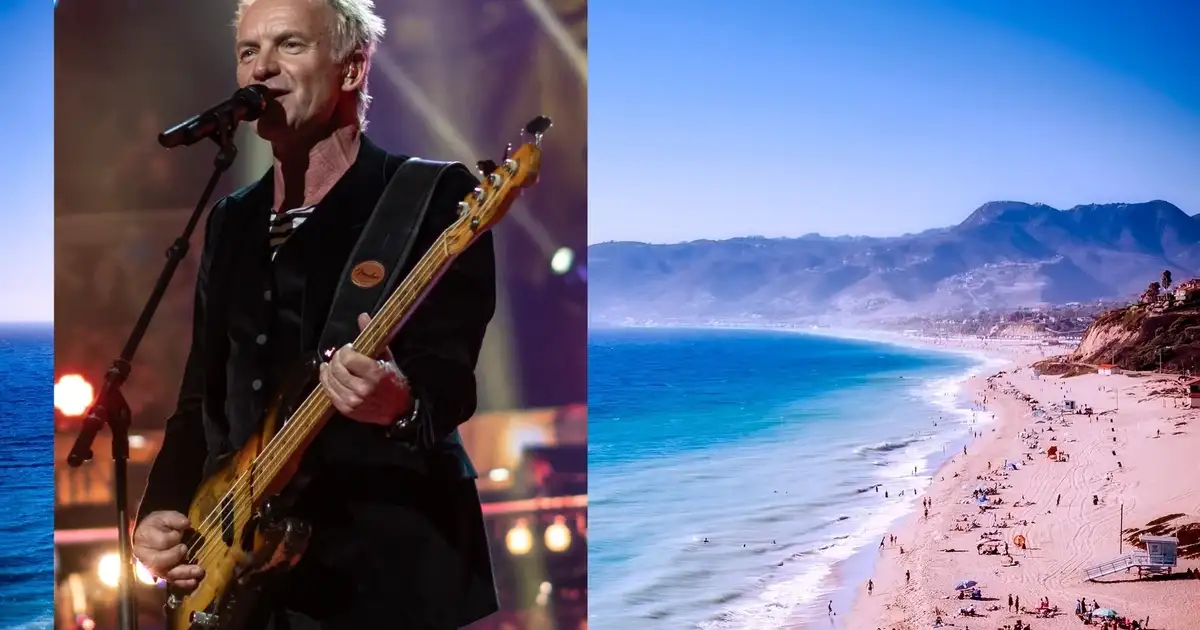

Another day, another aging rock star spotted. Sting, the iconic bassist from The Police, was “seen” in Malibu. This isn’t news; it’s a carefully orchestrated PR move.
The sighting happened recently. Sources put him enjoying the Malibu sun. Why now? Why there? It always comes back to business.

Sting’s Malibu “Sighting” Is Just More Boomer Bait
When you see a headline about a rock legend like Sting being “spotted” in Malibu, your first thought shouldn’t be “Oh, how lovely!” It should be “What are they selling this time?” In the music industry’s relentless pursuit of profit, even a casual stroll on the beach can be a meticulously planned marketing maneuver. This isn’t a rare outing; it’s a calculated chess move in the never-ending game of legacy monetization.
The music industry thrives on nostalgia. They milk every last drop from classic acts. This “rare outing” narrative is part of that machine. It keeps artists like Sting relevant without new hits.
How many times have you read about a 70s legend “resurfacing”? It’s a pattern, a playbook. It’s designed to generate clicks and chatter, to keep their name circulating in the digital ether. The goal? Keep the brand alive. Boost catalog sales. Maybe push a new deluxe reissue. It’s not organic; it’s engineered, plain and simple.
The Perpetual Nostalgia Machine: A Masterclass in Asset Management
These “sightings” aren’t about the artist’s personal life. They’re about their intellectual property. Sting’s catalog, both with The Police and solo, is massive. It’s worth a fortune, a goldmine that keeps on giving. And every time his name pops up in a “sighting” story, that fortune gets a little bit shinier, a little bit more valuable.
Major labels and investment firms are gobbling up music catalogs at unprecedented rates. Bruce Springsteen sold his for a staggering $500 million. Bob Dylan’s went for $300 million. These aren’t just numbers; they’re proof of the enduring power of classic music as an asset class. Every mention of these artists adds perceived value to those catalogs. It’s not just about old songs; it’s about licensing. TV shows, movies, commercials. Every time you hear “Every Breath You Take” in an ad, Sting gets paid. These controlled “sightings” are subtle, yet powerful, reminders that he’s still here, still a legend, and still making money.
The Brand of “Icon”: Why Existence is the New Hustle
Being an “iconic 70s bassist” isn’t just a title; it’s a brand. And like any valuable brand, it’s carefully managed. These artists aren’t just musicians anymore; they’re corporations. Their image, their legacy, their past work – it’s all product. A Malibu stroll isn’t a spontaneous moment; it’s another marketing touchpoint, a free ad in the grand scheme of things. It whispers, “Remember me? Go stream my old stuff. Buy the remastered vinyl.”
It’s a smart play, I’ll give them that. Why work hard when you can just exist? Let the machine do the heavy lifting. As music industry analyst Mark Thompson aptly puts it,
“The business of legacy acts is no longer solely about touring; it’s fundamentally about asset management. Every public appearance, however casual, is a subtle reminder of their enduring value and the perpetual income stream they represent.”Thompson’s right. It’s all about asset management. These legends are their own biggest assets, and they’re playing the long game with masterful precision.
Fake Gurus and Passive Income Dreams: The Original Architects
This whole spectacle reminds me of the countless “passive income” gurus flooding your social media feeds. They preach wealth from nothing, but these rock stars? They were the original architects of passive income. They made their fortunes decades ago, building empires of sound. Now, they just need to stay minimally visible, occasionally appear in a carefully placed paparazzi shot, and the hits keep on giving. No real work required, just a strategic presence. It’s a dream for many, but let’s be clear: it’s not achievable for most. You can’t just walk onto a beach and generate millions; these guys built the foundations of their empires first.
What’s Next? A Docuseries? A Farewell Tour (Again)?
Don’t be surprised if a new Police documentary drops soon. Or a “definitive” box set. Maybe a tell-all memoir that just happens to coincide with a “final” tour. These “rare sightings” often precede bigger announcements. They prime the pump, building anticipation for the next product launch. It’s a well-worn path: build buzz, release product, rinse and repeat. The fans, bless their hearts, eat it up every time. They want to believe in the magic, in the enduring power of their heroes. And the industry, ever so obligingly, gives them just enough to keep buying.
This isn’t organic. It’s a calculated move, a chess piece on the board of rock and roll capitalism. So, the next time you see another “iconic 70s musician” spotted in some exotic locale, don’t just swoon. Don’t just reminisce. Ask yourself: what are they selling? Because rest assured, they’re always selling something. And if you’re not careful, you’re probably buying it, hook, line, and sinker.
Source: Google News