
The alleged “attack” on Lindsey Buckingham feels less like a genuine threat and more like a meticulously orchestrated, rather pathetic, plea for relevance. When news broke that the 76-year-old ex-Fleetwood Mac maestro had been doused with an “unknown substance” by a stalker, the collective yawn from the internet was almost deafening. One might even call it a symphony of skepticism.
This supposed incident unfurled on April 1st. Yes, you read that correctly. April Fool’s Day. The date practically screams “publicity stunt” in neon letters. While the LAPD Threat Unit has reportedly been roped into this unfolding drama, a curious lack of arrests, details, or even a coherent narrative has emerged. One can’t help but wonder if the “threat” in question is primarily to Buckingham’s dwindling credibility.

The Goo-Gate That Wasn’t: A Masterclass in Misdirection
A septuagenarian rock icon, ostensibly targeted by a stalker. The “substance” remains a mystery, as do any discernible injuries. This isn’t breaking news; this is a B-movie plotline that even direct-to-DVD producers would reject for being too implausible. The internet, that grand arbiter of truth and snark, saw through the charade with the speed of light.
Across platforms like Reddit and X (formerly Twitter), the reaction wasn’t concern or outrage, but a giant, collective eye-roll. “Stalkers gonna stalk; this is Tuesday for faded celebs,” one particularly incisive user quipped, perfectly encapsulating the mood. Another, with a touch of poetic irony, joked it was likely just glitter, a “Stevie Nicks collab tease.” It’s difficult to argue with such a potent blend of wit and cynicism.
The threads dedicated to this “drama” on r/FleetwoodMac and r/ClassicRock barely registered a blip on the radar, garnering a paltry 200-500 upvotes. This alleged incident was utterly drowned out by discussions about actual Fleetwood Mac music and nostalgic musings. When your supposed brush with danger can’t even compete with a discussion about album tracklists, it tells you everything you need to know about its perceived authenticity.
A Convenient Distraction or a Desperate Gamble?
One must question the timing of this rather flimsy narrative. It conveniently surfaces now, doesn’t it? Buckingham’s history is hardly pristine; let’s not forget his rather acrimonious 2018 dismissal from Fleetwood Mac, a saga that involved lawsuits, settlements, and enough bad blood to fill a small swimming pool. Was this “attack” a calculated maneuver to pivot the public narrative away from past controversies and towards a more sympathetic storyline?
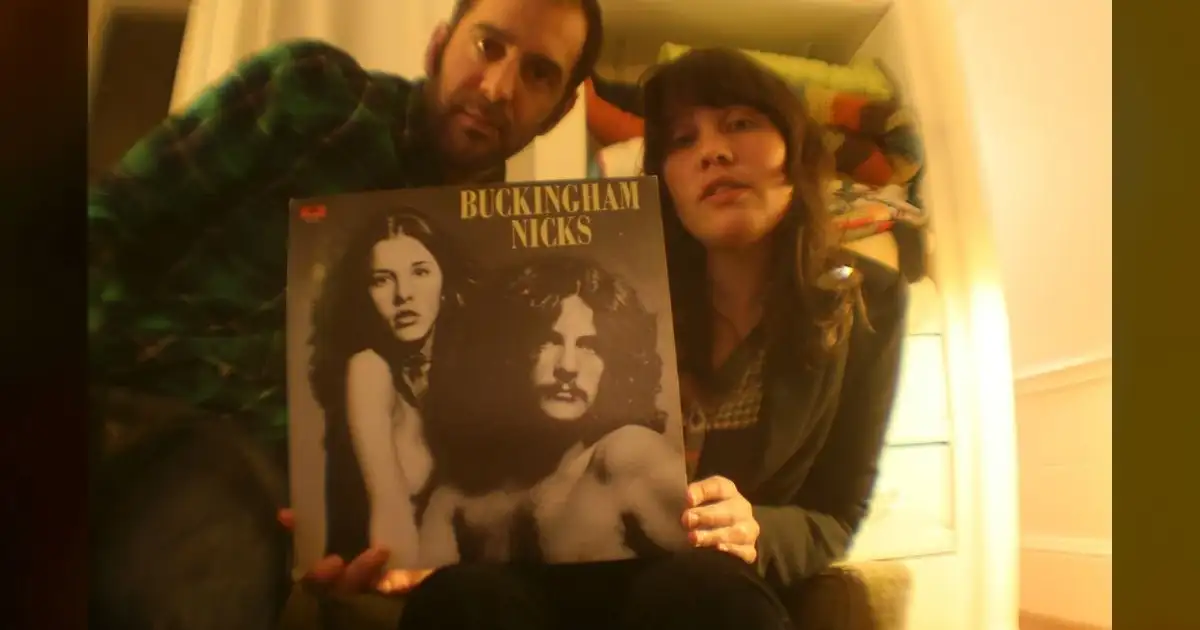
The online consensus certainly leans in that direction, branding it “scripted tabloid bait.” The prevailing theory is that this is a transparent attempt to drum up sympathy, perhaps to rekindle interest in a solo album, or even that perpetually “long-rumored” Buckingham Nicks reissue. The timing is simply too impeccable, too convenient. It’s almost as if someone, somewhere, believed a dash of manufactured drama would inject some much-needed vitality into a career that, by all accounts, has been coasting on past glories. But instead of vitality, it has merely elicited an audible sigh of collective disdain.
The Stalker Playbook: A Tired Trope
The unfortunate reality is that celebrities and stalkers often exist in a symbiotic, albeit disturbing, relationship. However, this particular narrative feels like a recycled, tired trope, utterly devoid of conviction. The “stalker” angle is a classic entry in the celebrity playbook, a reliable method for generating headlines without the burdensome requirement of actual talent or fresh material.
Why the deafening silence from Buckingham himself? Why the conspicuous absence of any concrete details regarding this enigmatic “unknown substance”? The profound lack of official statements, coupled with the complete absence of consequences or follow-up, speaks volumes. It screams “fabricated” from every angle. While the very real threat of stalkers should never be trivialized, when an incident is this nebulous, this conveniently timed, and this utterly devoid of tangible evidence or discernible impact, skepticism isn’t just warranted; it’s an absolute imperative.
The Fading Star Syndrome: A Glimpse into Celebrity Desperation
It is, undoubtedly, a bitter pill to swallow when the halcyon days of one’s career are firmly in the rearview mirror. For artists of Buckingham’s stature, who once effortlessly commanded sold-out stadiums and shaped the sonic landscape, the relentless battle for continued relevance is a grueling ordeal. And sometimes, that battle leads to measures that are, frankly, quite desperate.
His significant catalog sale to Hipgnosis Songs Fund in 2021 was a shrewd business move, certainly showcasing a degree of financial acumen. Yet, it also subtly hinted at a strategic shift – a move away from the arduous process of creating new, groundbreaking music towards the more pragmatic endeavor of monetizing existing, beloved hits. The music industry, in its brutal and unforgiving nature, has a penchant for chewing up and spitting out even its most revered legends. To remain in the public consciousness, some inevitably resort to theatricality. This “attack” feels precisely like one such theatrical maneuver, a poignant, if not tragic, commentary on the desperate state of celebrity in an increasingly saturated media landscape.
The Long Shadow of Fleetwood Mac: Where True Relevance Lies
Buckingham’s indelible legacy is, and always will be, inextricably linked to Fleetwood Mac. Their music possesses a timeless quality, continuing to resonate with new generations. Tracks like “Dreams” still find viral life on platforms like TikTok, proving that true cultural relevance resides within the art itself, not in manufactured incidents. His contributions to the band were nothing short of immense. He was a brilliant songwriter, an innovative guitarist, and a visionary producer whose artistry undeniably shaped an entire era of popular music. That artistry, in its purest form, speaks for itself. It requires no fabricated drama, no mystery goo, to be appreciated or celebrated.
When the annals of rock history are chronicled, Buckingham’s name will inevitably surface in discussions of Fleetwood Mac. His compelling life story, his prodigious talent, and the tumultuous, often operatic, relationships within the band – these are the narrative threads that truly captivate audiences and stand the test of time. Not some vaguely defined, April Fool’s Day “attack.”
What’s Next for Lindsey? A Call for Authenticity
Will this alleged “attack” miraculously ignite a sudden surge in album sales or spark a fervent, renewed interest in his solo career? In all likelihood, the answer is a resounding ‘no.’ The public, for all its occasional gullibility, is far from stupid. They possess an uncanny ability to sniff out a rat from a considerable distance. This incident has, thus far, generated little more than a collective wave of sarcasm and eye-rolls, painting Buckingham as out of touch, perhaps even a touch desperate. This is a stark contrast to the cool, enigmatic figure he once embodied, a man whose musical prowess alone commanded respect.
Perhaps it’s time for Buckingham to embrace the grandeur of his own legend. To allow his extraordinary music, his genuine artistry, to once again do the talking. Because this brand of manufactured drama, this transparent grab for fleeting attention, serves only to cheapen an otherwise incredible legacy. He deserves better, and frankly, after decades of captivating us with his genius, so do we.
Photo: Photo by douglemoine on Openverse (flickr) (https://www.flickr.com/photos/65618242@N00/4332217456)
Source: Google News