
Forget distant geopolitical squabbles. Iran just issued a direct threat to your wallet, your job, and the stability of the global economy: locking down the Strait of Hormuz for a staggering six months. This isn’t just a headline; it’s a ticking time bomb.
The Islamic Revolutionary Guard Corps (IRGC) didn’t mince words on April 22, 2026. Their message was chillingly clear: any further “provocative maneuvers” by the U.S. Navy and this critical waterway becomes “closed to traffic.” Reopening it? “Impossible,” they declared, without a complete cessation of U.S. military action.

The Strait’s Stranglehold on Your Cash
This isn’t some distant geopolitical squabble you can afford to ignore. This is about the price of gas at your local station next week, and how much your groceries cost next month.
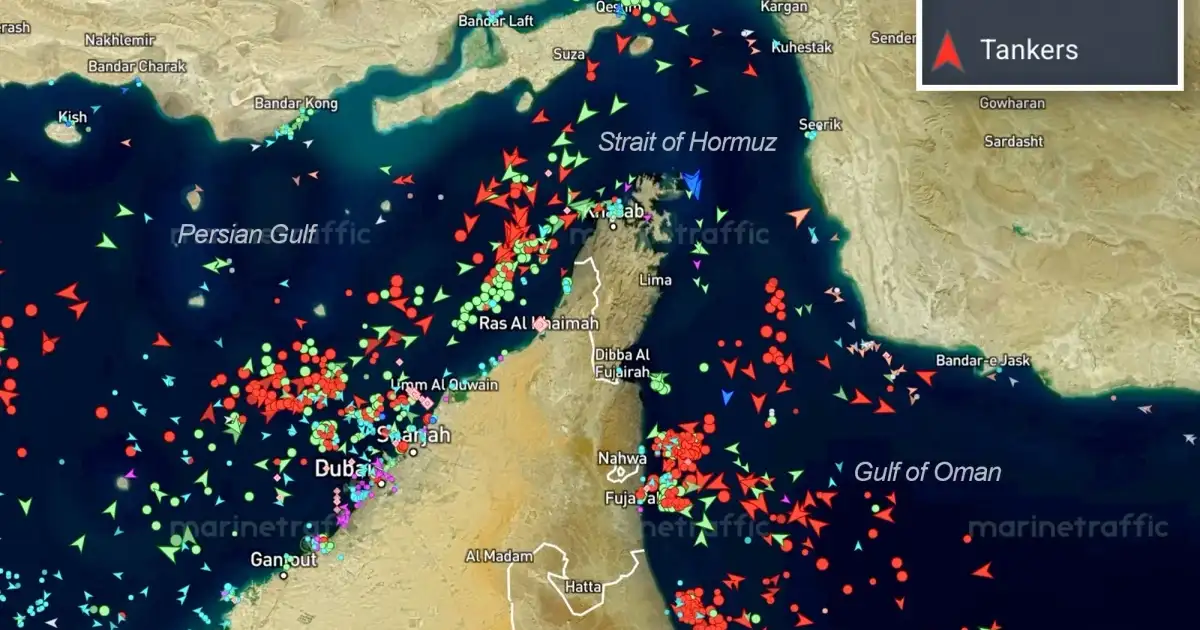
The Strait of Hormuz is more than a chokepoint; it’s the world’s economic jugular. About 20% of the world’s oil and a staggering one-third of its liquefied natural gas (LNG) passes through it daily. That’s 21 million barrels per day (b/d) of crude oil alone, fueling everything from your car to global industries.
While the U.S. Navy’s Fifth Fleet stands firm on “freedom of navigation” – a principle vital for global trade – Iran sees their presence as nothing less than an act of war. A U.S. Navy destroyer reportedly shadowed an Iranian oil tanker on April 21, and Iran immediately branded it “economic warfare,” fueling the fire.
“Let this be a clear warning: any further hostile action by the American forces in our waters will be met with a response so decisive that the Strait of Hormuz will become impassable. To reopen it would be impossible until their aggressive interference ceases completely.” — IRGC Spokesperson, April 22, 2026
This isn’t Iran’s first rodeo. They’ve brandished the Hormuz threat before. But this time, the warning carries an unprecedented, chilling rider: “impossible to reopen” for an “extended period.” Energy experts aren’t just agreeing; they’re sounding the alarm. Dr. Anya Sharma from the International Energy Agency (IEA) didn’t sugarcoat it: restoring safe transit could “easily take six months” – if not longer.
Your Future in the Crosshairs
So, let’s cut to the chase: what happens if the Strait actually closes for six months? Forget “shockwaves” – prepare for an economic tsunami that will hit hard, fast, and indiscriminately.
- Skyrocketing Fuel Prices: Brent crude oil won’t just surge; it will explode past $150 per barrel, with some analysts grimly predicting a climb beyond $200. This isn’t abstract market data; this is you, staring at the pump, watching your weekly budget evaporate. Every commute becomes a financial burden. Every delivery, from your online orders to fresh produce, costs more, because the trucks, ships, and planes that move them run on that same skyrocketing fuel.
- Inflation Explosion: Think inflation is bad now? Imagine trying to buy groceries when every item on the shelf reflects a 50% increase in transport costs. Higher energy prices won’t just ripple; they’ll crash through every sector of the economy. Food, consumer goods, essential services—all get pricier. Your hard-earned purchasing power shrinks, your savings buy less, and the future you’re building becomes demonstrably more expensive.
- Job Losses and Recession: And then there’s the specter of job losses. Industries reliant on affordable energy – manufacturing, logistics, airlines, even your local dry cleaner – will face impossible operating costs, leading to widespread closures and mass layoffs. A global recession won’t be a threat; it will be a bitter reality, impacting millions of livelihoods.
The shipping industry is already feeling the squeeze, a stark precursor to the chaos ahead. Insurance premiums for vessels in the Persian Gulf jumped a staggering 15-20% in just 24 hours. Maria Rodriguez, CEO of Global Shipping Lines, didn’t mince words. Her assessment was chillingly practical:
“Our priority is the safety of our crews and cargo. If the Strait becomes unsafe, we will have no choice but to reroute, adding weeks to transit times and dramatically increasing costs. This is an existential threat to the shipping industry and global trade.” — Maria Rodriguez, CEO, Global Shipping Lines, April 23, 2026
Rerouting means longer journeys, more fuel, and higher costs. Those costs get passed directly to you, the consumer. Global trade could face trillions of dollars in losses over half a year, a financial hemorrhage that would cripple economies worldwide.
The Stakes Are Too High for Complacency
The United States maintains its unequivocal right to freedom of navigation. The State Department spokesperson issued a clear, unyielding warning:
“The United States is committed to ensuring freedom of navigation through international waterways. Any attempt to impede global commerce or threaten maritime security will be met with a firm and appropriate response.” — U.S. State Department Spokesperson, April 22, 2026
This isn’t just about oil and gas. It’s about fundamental global stability. It’s about whether nations can conduct business without the constant specter of military threats. The ongoing conflict between the U.S. and Iran just raised the stakes for every single person on the planet, from the highest-flying CEO to the average family budgeting for groceries.
This isn’t a distant conflict for policymakers to debate. This is your career, your investments, your daily expenses—all inextricably tied to this narrow, vital strip of water.
Ignoring Iran’s threat isn’t just irresponsible; it’s an act of financial self-sabotage no one can afford. The world is on the brink, and the question isn’t if the impact will come, but how you’ll weather the storm. Are you ready?
Source: Google News