
Picture this: the White House Correspondents’ Dinner on April 25, 2026. Usually, it’s a cringe-worthy night of air-kissing and forced smiles.
But that night, the glitz shattered when a gunman opened fire. The champagne flutes weren’t the only things breaking; the bubble of political glamor burst. A new narrative control then emerged from the Oval Office, courtesy of Press Secretary Karoline Leavitt.

The Oval Office Photo Op: Crisis Management, Gen Z Style
Moments after the horror, Karoline Leavitt bypassed traditional press briefings. She immediately crafted a visual story with influencer precision.
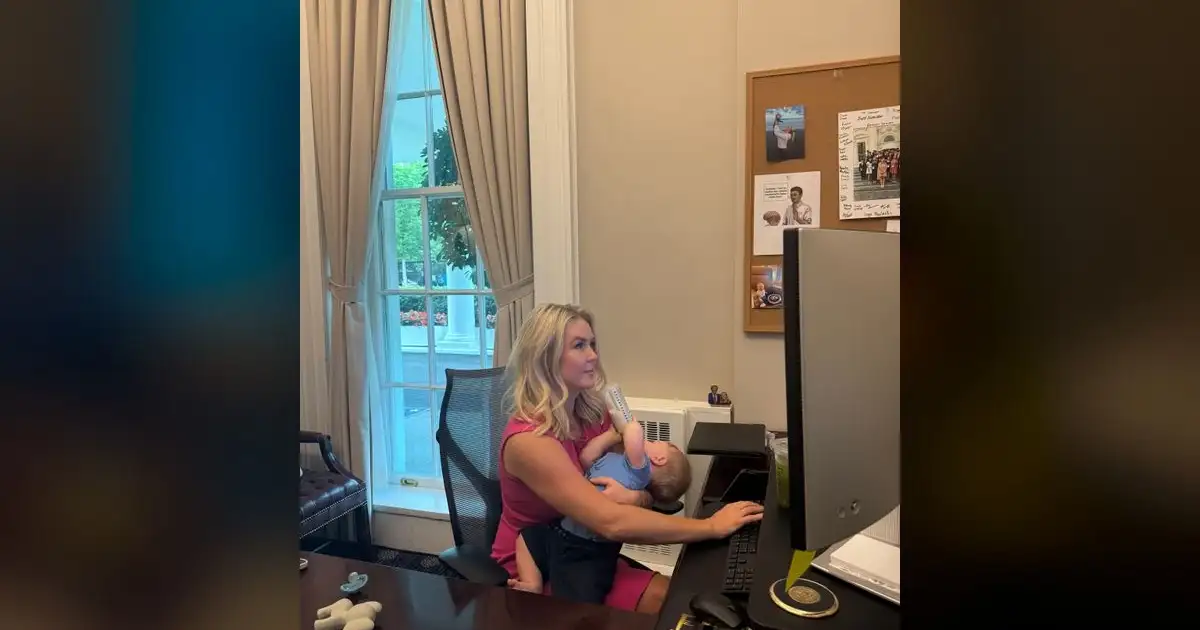
Late on April 25th and into April 26th, Leavitt dropped “dramatic behind-the-scenes” photos on social media. This was Oval Office access, usually reserved for history books, not Instagram feeds in real-time crisis. It screamed “new era” louder than any TikTok trend.
These weren’t blurry iPhone snaps. They were carefully composed, almost art-directed images.
One showed Leavitt, somber and resolute, hunched over the iconic Resolute Desk under a dramatic lamp. Another featured a pensive President Donald Trump, back to the camera, staring out a window. Leavitt appeared locked in a serious discussion with a military aide.
The message was clear: while others panicked, they were working. While the world burned, they were calm, in control, and dedicated. It was a masterclass in crisis branding, bypassing traditional media with a single, filtered click.
Who’s Telling the Story Now? The Leavitt Effect
Unsurprisingly, the internet was ablaze. Leavitt’s fan club hailed her as a hero of transparency, praising her for showing a White House hard at work. “See? They’re on it!” was the overwhelming vibe.
It was framed as reassuring, a direct line to the people. This cut out the “biased media” many of her followers already distrusted. It felt personal, immediate, and oh-so-modern.
But let’s be real: Oval Office access for a crisis photo shoot implies a calculated agenda. Critics quickly pointed out the transparent PR stunt.
“Is this really the time for a photo shoot?” they asked. “Shouldn’t the focus be on victims and official updates, not a curated image of dedication?”
Many in the media felt sidestepped, realizing Leavitt bypassed them to control messaging. This raised a crucial question: is “curated transparency” helpful, or just insidious image management?
The Red Marker Verdict: Branding Over Briefings
Let’s be real: this wasn’t about traditional transparency. This was about ownership.
Karoline Leavitt, backed by the White House, snatched the narrative. She wrapped it in a bow and delivered it directly to the public.
In a moment of national shock, she didn’t just issue a bland statement; she showed a story. That story managed both the crisis and her, plus the administration’s, unflappable image. Think of it as ultimate reality TV, but with actual stakes.
The motive isn’t cash, but pure political capital. In D.C., optics are more valuable than gold.
Being the first, most dramatic, and visually compelling communicator cemented Leavitt’s power player status. She demonstrated a new playbook for crisis communication. The press secretary became the primary visual storyteller, leveraging urgency for a pre-packaged message.
It’s about controlling who defines the moment. Leavitt ensured it was her, camera-ready and resolute, from the most powerful office. What’s the takeaway? Politics is now a high-stakes reality show where personal brand is your weapon.
Leavitt didn’t just manage a crisis; she redefined crisis communication for the age of Instagram. Are we ready for news that’s curated by its makers? After April 25, 2026, the game officially changed, and Leavitt showed everyone how to play.
Source: Google News